
When travelers dream of Europe’s most beautiful landscapes, their minds often jump to Switzerland’s Alps or Italy’s lakes. But those who crave raw, untouched beauty, the kind that hums quietly beneath the noise of mass tourism, eventually find themselves in Albania. This travel guide about nature in Albania, is for those searching for something quieter, wilder, and far more intimate
I still remember my first truly awe-inspiring moment there: a misty sunrise in Valbona Valley, where the mountain peaks blushed pink and the silence was so pure it felt sacred. That morning, I realized Albania isn’t just a destination, it’s an experience of nature at its most honest.
For travelers looking to experience nature in Albania, it’s important to match the region to your interests. Whether you’re drawn to alpine valleys, hidden waterfalls, or serene coastlines, choosing the right spots can transform your trip. For a detailed guide on how to select the perfect destination based on what you love, check out my pillar post: How to Choose Where to Go in Albania (Based on Interests).
In this guide, I’ll take you beyond the usual lists to explore lakes, valleys, and parks that showcase the soul of Albania’s wilderness. These aren’t spots plucked from Google Maps; they’re places I’ve hiked, swum, and quietly fallen in love with. Whether you’re chasing mirror-like lakes, glacial valleys, or hidden trails through ancient forests, this post will help you plan your next Albanian escape into the wild.
To help with itinerary planning, I’ve mapped out several options in: The Ultimate Albania Itinerary: 3, 5, 7 & 10 Days.
Is Albania Why Albania Is an Underrated Paradise for Nature Seekers
If you’ve ever wondered what Europe looked like before it became polished and over-curated, nature in Albania might be your answer. Within a few hours’ drive, you can move from turquoise alpine lakes to Mediterranean olive groves, from high mountain passes to warm thermal springs. The diversity here is staggering, a single country that feels like several worlds stitched together by rivers, valleys, and coastlines.
What surprised me most on my first journey wasn’t just the landscapes, but their stillness. In Theth, waterfalls thunder down untouched cliffs where wild horses graze freely. In Shebenik-Jabllanicë National Park, I once heard wolves calling in the distance, a haunting reminder of how wild this country still is. And then there’s the gentle side: serene picnic spots by Lake Ohrid, or quiet trails in Llogara where pine forests meet the Ionian breeze.
These scenic nature spots in Albania aren’t just photogenic; they tell a story of resilience and rebirth. After decades of isolation, Albania’s nature is now its greatest luxury: pristine, accessible, and waiting to be explored by travelers who crave authenticity over perfection.
The Albanian Alps: Where Wilderness Feels Endless
Few places in Europe still feel truly wild, but the Albanian Alps do. This is where the trails are raw, the air sharp with pine and glacier wind, and the sense of scale humbles even the most seasoned hikers. It’s the kind of place that reminds you how small you are and how alive the world can feel when untouched.
Valbona Valley – Wild Beauty in the Heart of Albanian Lakes and Parks
The first time I hiked through Valbona Valley, I remember the crunch of gravel beneath my boots and the scent of wild mint rising from the ground. Every turn revealed something new, jagged peaks piercing the clouds, icy rivers threading through emerald fields, and the faint echo of cowbells from distant herds. It felt like walking inside a postcard that no one had ever mailed.
On the trail between Valbona and Theth, my lightweight hiking poles and a refillable filter bottle saved me, the path can be steep, long, and sun-drenched in summer. But the reward? Standing at the top of the pass, staring at a sea of peaks that looked endless. That moment alone made me understand why Albanian lakes and parks are gaining quiet fame among true nature lovers.
For those seeking an even deeper connection, stay in a family-run guesthouse. Locals will greet you with homemade bread, mountain cheese, and raki, and stories of life in the valley before tourism. Their hospitality turns every night’s stay into a memory you’ll carry longer than any photo.
If you’re weighing your lodging choices, I break down Airbnb vs. hotels in Albania here: Airbnb vs. Hotels in Albania: Which Should You Pick.
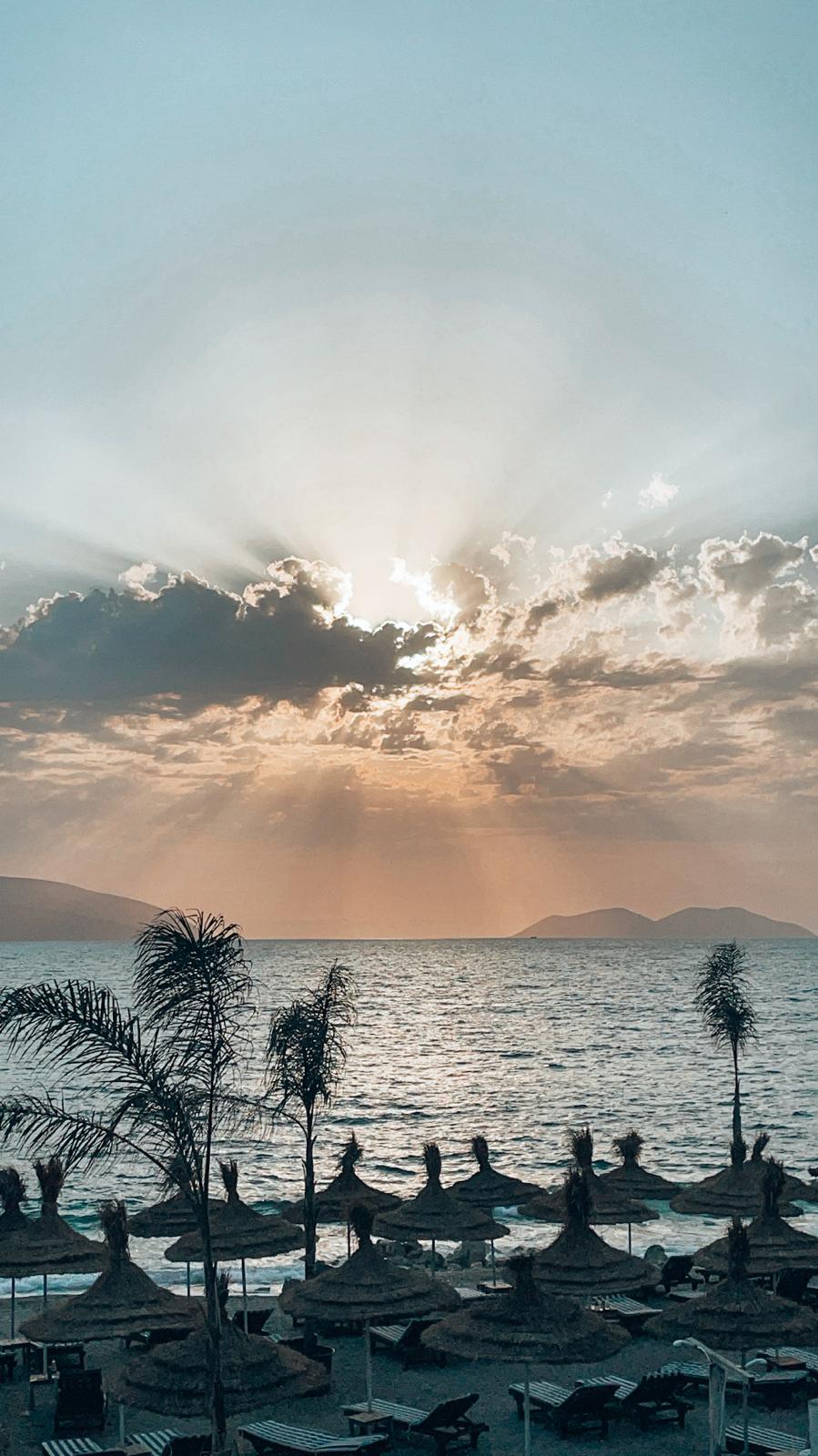
Theth – Towering Peaks and Traditional Hospitality
If Valbona feels grand and open, Theth feels intimate, a valley cradled by sheer cliffs and stone houses that seem frozen in time. I’ll never forget meeting a local named Gjon, who invited me in for coffee after I asked for directions. We sat by his garden, overlooking the mountains, and he spoke about winters when snow isolates the entire valley for weeks. “But we have each other,” he said, smiling.
The Blue Eye of Theth (Syri i Kalter) is one of those places that words can’t quite capture. After an hour-long hike through forests and rivers, the turquoise spring suddenly appears like a secret revealed, swirling, crystal clear, and hypnotically deep. I remember standing there in silence, realizing that Albania’s nature doesn’t just impress; it moves you. The isolation, the sound of rushing water, and the smell of damp earth it’s a sensory experience that stays with you long after you leave.
Planning the best time to hike between Valbona and Theth? Read my detailed route guide here: Best Time to Visit Albania: A Local’s Guide.
Where the Mountains Meet the Sea: Llogara & the Ionian Edge
Few landscapes blend alpine peaks and turquoise seas as dramatically as southern Albania. The Llogara Pass is where that transformation happens, from rugged mountain wilderness to the soft shimmer of the Ionian coast. It’s the natural border where Albania’s dual soul, wild and Mediterranean, reveals itself.
Llogara National Park – Where Albania’s Wild Scenery Meets the Sea
Perched between the Riviera and the highlands, Llogara National Park is a world of its own. I once stood at a viewpoint near the pass just as a golden eagle soared beneath me, riding the thermals with effortless grace. Around me, pine trees whispered in the mountain breeze, and in the distance, the sea stretched endlessly blue.
This park is perfect for travelers transitioning from the mountains to the coast (or vice versa). Morning hikes through thick forests lead to afternoons spent watching the sun dip into the Ionian. You can even try paragliding here, gliding over the same landscape that eagles call home. Whether you’re driving the serpentine road or stopping for a picnic above the clouds, Llogara offers some of the most cinematic views in Albania.

Orikum & Borsh – Secret Coastlines and Inland Treasures
As the road curls down from Llogara, the smell of salt fills the air. Below lies Orikum, where the mountains sink gently into the sea. It’s quiet, fishermen mending nets, small boats drifting lazily in the harbor, olive groves glowing silver under the sun.
Further south, Borsh hides one of my favorite natural contrasts: the sound of waterfalls cascading behind the village, and waves rolling softly onto one of Albania’s longest beaches. Early mornings here are magical, the scent of coffee from tiny cafes mixes with the sea breeze, and if you walk far enough, you’ll find stretches of sand entirely to yourself.
This is the Albania most travelers never see: where the wild north meets the tranquil south, and every corner feels like a secret shared only with those who wander slowly enough to notice.
Albania’s Wetlands & Wildlife Havens
If the Alps are Albania’s rugged soul, its wetlands are the country’s quiet heartbeat, calm, reflective, and teeming with life. These lesser-known ecosystems are a paradise for birdwatchers, photographers, and anyone who finds peace in the sound of wind through reeds or the sight of herons gliding low over still water.
Divjakë-Karavasta – Scenic Nature Spot with Pelicans and Peace
There’s a rare kind of serenity that fills Divjakë-Karavasta National Park at dawn. I remember biking through its flat pine-scented paths just as the sun began to rise, the air cool and golden. From the observation tower, I watched pelicans stretch their wings above the lagoon, enormous, elegant birds that felt almost prehistoric against the morning mist.
It’s easy to lose track of time here. The trails are soft, shaded, and quiet, and every few meters there’s something new to spot, a fox crossing the path, a ripple on the water hinting at a fish below. Whether you come for birdwatching, cycling, or simply to breathe deeply, this is one of the most scenic nature spots in Albania.
The Karavasta Lagoon, part of Albania’s largest coastal wetland, shelters one of the world’s rarest Dalmatian pelican colonies. Watching them glide effortlessly over the water is humbling, a reminder that Albanian lakes and parks protect not only landscapes, but life itself.
Lake Butrint – Nature and History Intertwined
Few places blend ecology and history as seamlessly as Lake Butrint. The ancient ruins of Butrint National Park rise from the water’s edge, and just beyond the amphitheater and mosaics, you’ll find wetlands humming with birds and reflections that shimmer in every direction.
One evening, I sat on the lakeshore as the sun sank behind the cypress trees. The only sounds were the rhythmic chirps of crickets and the faint splash of a bird landing nearby. That stillness, layered over centuries of history, gave me one of my most grounding moments in Albania.
Here, nature and civilization have coexisted for millennia. It’s where ancient temples meet tidal lagoons, and where travelers can witness both the grandeur of the past and the persistence of the natural world that continues to thrive quietly beside it.
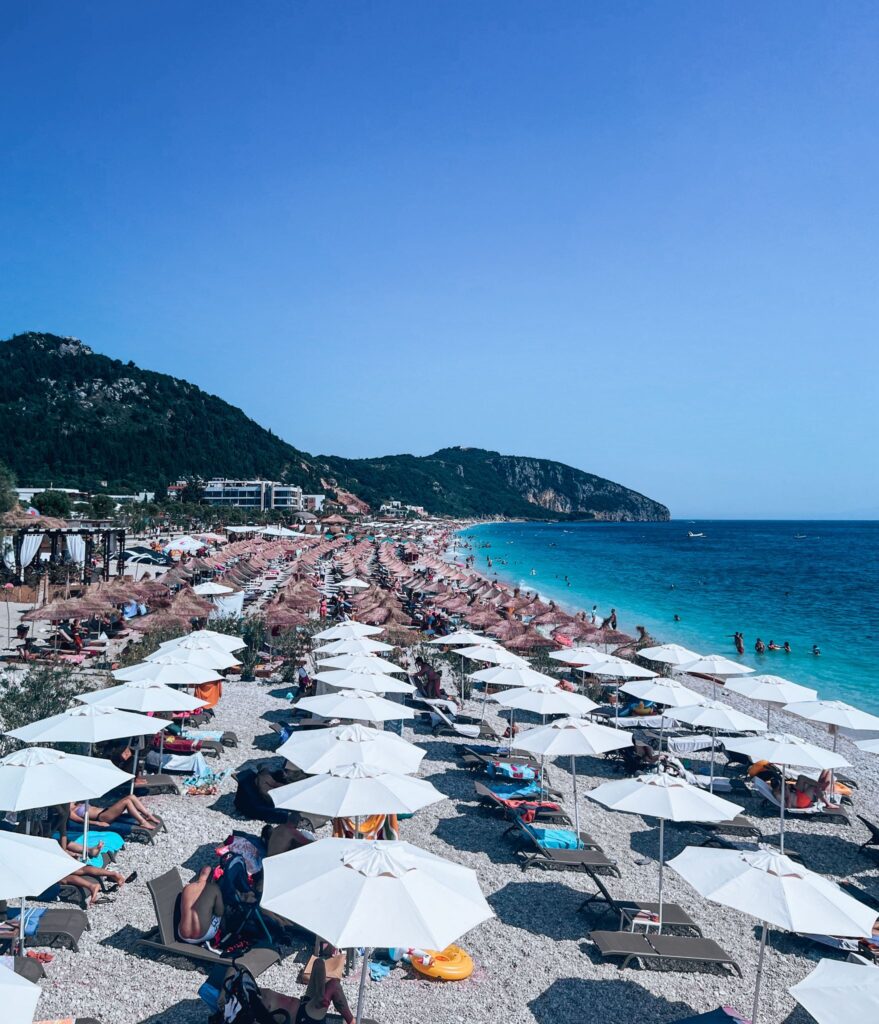
Hidden Forests, Sacred Peaks & Silent Valleys
Beyond the known trails lie Albania’s most mysterious corners, remote mountain ranges, sacred peaks, and valleys where time seems to move differently. These are the places that don’t make it into glossy brochures, yet they’re the ones that linger longest in memory.
Shebenik-Jabllanicë – Remote Gem Among Albania’s Unspoiled Natural Parks
Deep in eastern Albania, Shebenik-Jabllanicë National Park feels like another world. I spent three days there once, hiking without phone signal or internet, and I can still remember the strange liberation of that disconnection. The silence wasn’t empty, it was full: of rustling leaves, distant thunder, and the heartbeat-like rhythm of boots on forest soil.
Locals speak of the Balkan lynx that roams these woods, elusive, endangered, and almost mythical. I didn’t see one, but I saw tracks, and that was enough to remind me how truly wild this land remains. The park’s ancient beech forests, glacial lakes, and steep ridges offer a glimpse of a Europe that feels lost elsewhere, pure, protected, and profoundly peaceful.
If you crave solitude and authenticity, Shebenik is where Albania’s wilderness will test and reward you in equal measure.
Mount Tomorr – Hiking Where Legends Live
To Albanians, Mount Tomorr is more than a mountain; it’s sacred ground. Rising high above Berat and Skrapar, it’s a place of pilgrimage, mythology, and raw natural energy. Some say the mountain is the resting place of Abbas Ali, while others see it as a guardian of the land, its peak wrapped in clouds and faith.
When I hiked Tomorr, my guide stopped mid-trail and told me, “Every rock here has a story.” As we climbed higher, I felt that truth in the way locals placed offerings at small shrines, in the chants that echoed faintly through the wind, and in the vastness of the view at the summit. The valleys below were silent, golden in the late afternoon light, and for a moment, it felt like standing between earth and sky.
Tomorr isn’t just for hikers, it’s for anyone seeking connection, whether to Albania’s ancient roots or to something larger than themselves. Here, nature and spirituality merge into one timeless experience.
Southern Serenity: Lakes, Groves, and Thermal Springs
If the north of Albania is all about rugged peaks and adventure, the south whispers in softer tones, warm mineral waters, sun-drenched olive groves, and lakes so still they feel like mirrors. This is where nature invites you to slow down, breathe deeply, and simply be.
Permet & Benja Hot Springs – Nature’s Spa
Nestled at the foot of the Nemerçka Mountains, Benja Thermal Baths near Permet are where Albania’s wild beauty turns restorative. The first time I dipped into the turquoise pools, I remember how silky the water felt, mineral-rich and warm, bubbling gently against the cool mountain air. Steam rose in soft ribbons while the Lengarica Canyon loomed dramatically above, carved by centuries of wind and water.
A group of locals nearby laughed and chatted in Albanian, offering me a sip of homemade raki. “Good for the bones,” one woman said, smiling. And it’s true, not just for the body, but for the soul. Watching the sunlight hit the Ottoman stone bridge arching above the pools, I understood why this spot is beloved not just as a scenic gem, but as a piece of living tradition, a place where community and nature coexist effortlessly.
Lake Viroi & Mursi Groves – Underrated Delights
While many travelers rush to better-known spots, Lake Viroi near Gjirokastër remains one of the south’s hidden jewels. Its emerald waters shimmer in shades that change with the light, surrounded by reeds that sway like whispers. It’s the kind of place perfect for reflection, where you can spread out a picnic blanket, listen to the gentle ripple of the lake, and lose track of hours watching clouds drift across the surface.
A short drive away, the olive groves of Mursi paint the landscape silver and green. Walking through them feels like entering Albania’s agricultural heartbeat; you can hear bees buzzing, smell the earth rich with olives, and watch farmers harvesting by hand, just as they’ve done for generations. These quieter places are where you truly feel Albania’s rhythm, patient, grounded, and deeply tied to the land.

Respecting Albania’s Nature While You Explore
One afternoon in Valbona, I watched a group of hikers step off the marked trail to get a “better” photo, trampling over wildflowers that took seasons to bloom. It was such a small act, but it stayed with me, a reminder of how fragile these ecosystems are, and how easily we can harm what we came to admire.
Albania’s nature gives generously, crystal lakes, untouched forests, and the kind of silence you can’t find elsewhere in Europe. The least we can do is give something back.
Here’s how:
- Stay on marked paths – erosion happens fast in alpine terrain.
- Pack out everything you bring – trash has no place in paradise.
- Support local communities – stay in guesthouses, hire guides, and buy regional produce.
- Leave no trace but gratitude.
Because ultimately, Albania’s greatest gift isn’t just its views, it’s the feeling of connection they create. Protecting that means every traveler becomes a guardian of the wild beauty they came to see.
Planning Your Albanian Nature Adventure
Albania’s landscapes may look close together on a map, but each region dances to its own rhythm. Planning wisely means you’ll experience the best of each season, from snow-dusted peaks to sunlit lagoons.
When to Go (By Region):
- North (Valbona, Theth): June to September – ideal for alpine hiking, wildflower meadows, and clear skies. Trails are often snow-covered until late May.
- Central (Llogara, Tomorr): April to October – spring brings lush greenery, while autumn wraps the mountains in golden hues.
- South (Permet, Butrint, Divjakë-Karavasta): March to November – gentle weather, perfect for cycling, birdwatching, and soaking in thermal springs.
Read my full guide on the best time to visit Albania: Best Time to Visit Albania: A Local’s Guide.
What to Pack:
If you’re combining mountains and coast, think layers. Albania’s terrain shifts fast; one morning, you might be climbing a misty pass in Valbona, and by afternoon, sipping espresso by the sea. Bring breathable hiking clothes, a warm fleece or light down jacket, waterproof shoes, a swimsuit for the springs or lakes, and a reusable bottle (fresh spring water is everywhere).
Choosing Between Valbona, Theth, and Llogara:
- Valbona → for those craving solitude and dramatic mountain energy.
- Theth → for cultural immersion, village life, and soul-stirring landscapes.
- Llogara → for travelers seeking both alpine freshness and Ionian panoramas.
Each park tells a different story, one of wilderness, connection, or renewal. If you want an easy way to explore them all, I personally recommend joining a small eco-tour with [Your Favorite Guide Company or Affiliate Link], who handle logistics sustainably while supporting local families.
Why Albania’s Nature Is Worth More Than a Stopover
Before I began exploring Albania, I thought of nature as something to see. Now, I think of it as something to feel. Standing in the silence of Valbona at sunrise, soaking in Benja’s steaming pools under the stars, or hearing pelicans rise over Karavasta, those moments reshaped how I travel. They reminded me that true beauty doesn’t demand attention; it simply exists, waiting for us to slow down enough to notice.
Albania may not have the polish of its European neighbors, but that’s precisely its magic. It’s a land that still feels real, where trails are wild, hospitality is heartfelt, and every lake or valley seems to whisper a story that’s been told for centuries.
So, if you’ve ever dreamed of wandering landscapes that stir something deeper than wanderlust, let nature in Albania be your teacher.
FAQs About Nature Travel in Albania
Is wild camping allowed in Albania?
Yes, wild camping is technically allowed in many rural and mountain areas, though it’s always best to ask locals or landowners for permission. In national parks like Theth and Valbona, you’ll find designated areas where pitching a tent is both safe and scenic. Just remember to follow Leave No Trace principles and respect the environment.
When is the best time to visit the national parks in Albania?
For hiking and alpine adventures, aim for June to September, when trails are clear and the weather is mild. Spring (April-May) brings waterfalls and wildflowers, while autumn (September-October) offers crisp air and golden valleys. The southern parks, like Llogara and Butrint, are enjoyable nearly year-round.
Can I visit both Theth and Valbona in one trip?
Absolutely, it’s one of Albania’s most iconic routes. You can hike the Theth-Valbona Pass in a single day, typically 6-8 hours, or take the scenic ferry across Komani Lake if you prefer a more relaxed route. Combining both valleys gives you a complete taste of northern Albania’s mountain magic.
Are there guided eco-tours available for Albania’s national parks?
Yes! Several local companies organize small-group, eco-friendly tours that include hiking, transport, and stays with local families. I’ve personally joined Green Trails Albania, which handles logistics sustainably and connects you with guides who genuinely care about the land.
What should I pack for exploring Albania’s lakes and parks?
Bring layers (temperatures can shift fast), sturdy hiking shoes, a filter water bottle for fresh mountain streams, and sun protection. If you’re combining coast and mountains, quick-dry clothes and a swimsuit will take you from alpine lakes to Ionian beaches with ease.