
When I first went back to explore Albania after living in Milan, I assumed managing money would be easy. I had my cards, a few euros, and a plan to withdraw more along the way. But my first stop, a small café in Tirana, quickly made me rethink that assumption. I ordered a macchiato and a slice of byrek, reached for my card, and the waiter smiled politely: “Cash only.”
That was the moment I realized the question every traveler eventually asks: Do you need lek in Albania, or can you really get by with cards and foreign currency?
That’s when I remembered how much Albania still runs on cash. Even though card payments are becoming more common, especially in Tirana and popular coastal towns, most everyday purchases still happen in lek, the local currency.
In this guide, I’ll share everything you need to know about money in Albania, whether you need lek, whether it’s better to take cash or card in Albania, how to get the best exchange rates, and practical safety tips based on real experience traveling across the country. By the end, you’ll know exactly how to handle your money in Albania without stress (or awkward “cash only” surprises).
This post may contain affiliate links. That means if you choose to buy or sign up through my links, I may earn a small commission at no extra cost to you. I only recommend services I use and genuinely trust while traveling in Albania and abroad.
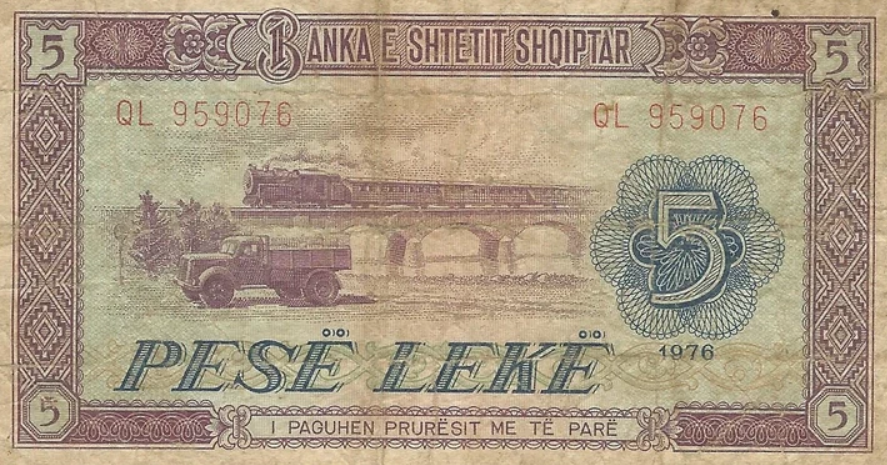
Do You Need Lek in Albania?
Yes, you definitely do. The Albanian lek (ALL) is the only official currency used in Albania, and it’s essential for almost everything. While some hotels or restaurants in touristy areas may accept euros, cash in lek is what you’ll actually need for daily expenses.
You’ll use lek for things like:
- Buying snacks and coffee at local cafés
- Paying taxis or furgons (minibuses)
- Shopping at markets or family-owned shops
- Visiting small museums or local attractions
In rural towns and mountain areas, cash is king. Along the Riviera, you will find more places willing to accept cards. Some businesses will take euros, but the exchange rate is usually poor, and U.S. dollars are rarely accepted.
I still remember being in Korçë and trying to pay for a local bus ticket with my card; (I am used to paying only with card in Milan :D) the driver just laughed and said, “Lek only.” I ended up walking around to find an ATM before the bus left. Lesson learned: always carry at least some cash.
A Quick Fun Fact About the Albanian Lek
The lek has been Albania’s official currency since 1926, named after Alexander the Great (“Leka i Madh” in Albanian). Over the decades, it’s gone through several redesigns,up the current colorful notes feature national heroes like Skanderbeg. Despite inflation and modernization, the lek remains a proud symbol of Albania’s independence and resilience.
Is It Better to Take Cash or a Card in Albania?
Honestly, both, but if you have to choose, take cash.
Cash gives you flexibility anywhere, while cards are convenient but not yet universal. You can use Visa and Mastercard in most mid-range or upscale hotels, restaurants, and stores in bigger cities like Tirana, Durrës, and Saranda. But in small towns or mountain villages, expect cash-only transactions.
Albanians themselves often prefer paying in cash. It’s fast, familiar, and avoids extra banking fees.
Once in Himara, I finished a lovely seafood dinner and handed over my card, only to be told their POS machine had “stopped working.” Luckily, I had enough cash to cover the bill, but it was a good reminder to never rely on cards alone.
So, should I Bring Cash or a Card to Albania?
Bring both. Use your card when you can, but always keep cash as a backup.

Best Way to Get Albanian Lek: ATM, Exchange or Airport?
When traveling to Albania, one of the first things you’ll need is local currency: the Albanian lek. From my experience, the best way to get lek is at Iliria Exchange. They offer great rates, are reliable, and have locations across major cities, making it easy to exchange money safely.
ATMs are another option and can be convenient, but it’s important to stick with machines from trusted banks like Credins Bank, Raiffeisen Bank, BKT, Intesa Sanpaolo, and OTP Bank. While ATMs are safe, rates can fluctuate, and fees might be higher than those of a good exchange service. I personally don’t suggest using ATMs because they have higher fees.
💡 Tip: Avoid exchanging money at airports, hotels, or tourist kiosks; their rates are almost always 5 – 10% worse than what you’ll get in town. It might seem convenient after a flight, but that convenience can cost you.
If you’re using international cards, I highly recommend Wise and Revolut.
I’ve used both across multiple trips in Albania and around Europe, and they consistently give excellent exchange rates with almost no hidden fees. Wise, in particular, lets you hold both euros and lek, perfect if you’re visiting from elsewhere in Europe. Revolut is also great for contactless payments in Tirana’s restaurants and hotels.
Wise vs Revolut: Which One Works Better in Albania?
If you’re deciding between the two, here’s a quick comparison based on my real experience using both across Albania and the Balkans:
| Feature | Wise | Revolut |
| Fees | 0.35 – 0.5% on conversions, free or low-cost ATM withdrawals up to your plan limit | Free up to €200 per month, then 2% fee on extra withdrawals |
| Contactless Payments | Works perfectly in hotels, restaurants, and shops that accept cards | Works in most places too, but some older POS terminals reject Revolut tap payments |
| Exchange Rate | Uses the mid-market rate with full transparency | Usually close to mid-market, but can fluctuate slightly on weekends |
| Best For | Travelers who want transparent, real exchange rates and multi-currency balances | Those who prefer fast, app-based payments and budgeting tools |
| My Pick | Wise, because it’s more reliable for withdrawals and I can hold lek directly in the app. Revolut is great as a backup, especially for contactless. |
Pro Tip: Always Keep Both

Can You Use Cards in Albania?
Yes, but it depends where you are.
In Tirana, cards are widely accepted at hotels, chain restaurants, malls, and larger supermarkets. In coastal areas like Saranda and Durrës, many beachfront restaurants and mid-range hotels also take cards.
But in smaller towns, mountain guesthouses, or local eateries, it’s still cash only. Even in touristy places like Theth or Berat, you might struggle to find a working card machine.
When I stayed in Theth last summer, the guesthouse owner smiled when I asked about card payment: “No Wi-Fi, no POS – just lek.” So I paid cash, and we shared a laugh over how life in the mountains still runs on simplicity.
Always ask before ordering or checking in whether they accept cards, it’ll save you some last-minute ATM runs.
Common Payment Pitfalls to Avoid
Even experienced travelers get caught by these little traps:
- Always pay in Lek, not euros, when offered a choice. Some card machines automatically use DCC (Dynamic Currency Conversion), giving you a terrible rate. Politely insist: “Charge in lek, please.”
- V-Pay cards rarely work in Albania; bring Visa or Mastercard instead.
- Avoid ATMs that look unofficial or are inside small shops, they often add hidden fees. Stick to bank ATMs.
- Don’t rely on tap-to-pay everywhere, it’s growing, but many POS systems still require chip insertion.
How Much Cash to Bring to Albania as a Tourist
How much cash you need depends on your travel style, but Albania is generally very affordable. Here’s a quick guide to daily spending:
| Type of Traveler | Daily Budget (approx.) |
| Budget | €30 – 40 per day |
| Mid-range | €50 – 80 per day |
| Comfort/Luxury | €100+ per day |
I recommend withdrawing smaller amounts more often instead of carrying large sums, around 10,000 – 15,000 lek is enough for a few days of meals, transport, and small purchases.
In remote areas like Theth or Valbona, bring extra cash, ATMs are rare and may occasionally be out of service.
Sample Prices in Albania (2026)
To help you budget realistically, here are average prices I’ve paid or confirmed recently:
| Item | Average Price (in €) |
| Coffee at a café | €1 |
| Local bus ticket (city) | €0.40 |
| Intercity bus (Tirana-Berat) | €4 – 6 |
| Simple restaurant meal | €5 – €8 |
| 3-course dinner for two | €25 – €50 |
| Taxi ride in city (per km) | €1.20 |
| Hotel (mid-range, double room) | €40 – 60 |
| SIM card with 10 GB data | €25 – 30 |
Prices vary by region, Tirana and Riviera towns like Ksamil or Saranda are usually 15–25% more expensive than mountain areas or central Albania.
Is It Safe to Carry Cash in Albania?
Albania is very safe, even when carrying cash, and if safety is something you’re still thinking about, I break it down in more detail in my guide on whether Albania is safe to visit.
That said, it’s smart to take basic precautions:
- Split your cash between your wallet and day bag.
- Use your hotel safe when possible.
- Withdraw money from ATMs attached to banks, not isolated ones.
- Avoid showing large amounts of cash in public.
Personally, I’ve never felt unsafe carrying money in Albania, even late at night in Tirana or while traveling solo. Locals are friendly, and violent crime is extremely rare.
Final Money Tips for Travelers to Albania
- Always carry some lek, even in cities.
- Use cards where available, but don’t depend on them.
- Withdraw from ATMs instead of exchanging at airports.
- Check rates with Iliria Exchange.
- Bring a backup card (Revolut, Wise ) in case your main one doesn’t work.
Albania is an easy and affordable country to travel in once you understand how the money works, especially if you’ve been wondering, do you need lek in Albania? With a bit of cash in your pocket and the right card in your wallet, you’ll be ready to explore everything from Tirana’s coffee culture to the hidden beaches of the south without a worry.
Mini FAQ: Money in Albania (2025)
Can I use euros in Albania?
You can sometimes pay in euros at touristy hotels or beach bars along the Riviera, but it’s not officially accepted. Most locals, cafés, and small shops only deal in Albanian lek (ALL), and if someone does accept euros, the exchange rate will almost always be worse than the bank rate.
What’s the best card for Albania?
From experience, Wise gives the best overall exchange rate and works reliably for ATM withdrawals, while Revolut is great for small contactless payments. I recommend carrying both, they complement each other perfectly and help avoid surprise fees.
Do I need cash in Tirana?
Yes, even in the capital. Most restaurants, hotels, and malls accept cards, but you’ll still need cash for taxis, markets, and small cafés. A good rule: keep at least 5,000 – 10,000 lek on hand for daily expenses.
Are ATMs safe in Albania?
Yes. Stick to ATMs attached to major banks like Credins Bank, Raiffeisen Bank, BKT, Intesa Sanpaolo, and OTP Bank.. Avoid independent ATMs or those inside tourist shops; they often charge extra fees.
Is it better to bring cash or withdraw in Albania?
Withdraw in Albania for the best rate. Airport exchange counters usually take 5 – 10% off in hidden markups, while ATMs give the real rate (especially when using Wise or Revolut).
Last updated: February 2026, rates and fees checked this month.
Current exchange rate (as of October 2025): 1 € ≈ 95 ALL (Albanian lek)
Exchange rates fluctuate, so always double-check before your trip.
Once you understand how money works here, traveling in Albania becomes incredibly easy, and for me, that’s a big reason Albania is absolutely worth visiting.