
If you’re planning a trip to Albania, chances are you’ve already fallen into the same Google black hole I once did, endless blogs with half-updated timetables, forums debating the mysterious furgons (Albanian minibuses), and barely any official websites. It’s chaotic, a bit confusing, and very Albanian.
When I first started exploring my home country as a traveler, not just a local, I realized how unpredictable transportation in Albania can feel. Bus schedules that aren’t posted, furgons that leave “when full,” and mountain roads that seem designed for rally drivers.
But don’t worry, I’ve navigated all of it, so you don’t have to. Whether you’re driving the Riviera, backpacking through the mountains, or relying on public transport, here’s exactly how to get around in Albania smoothly (and even enjoy it along the way).
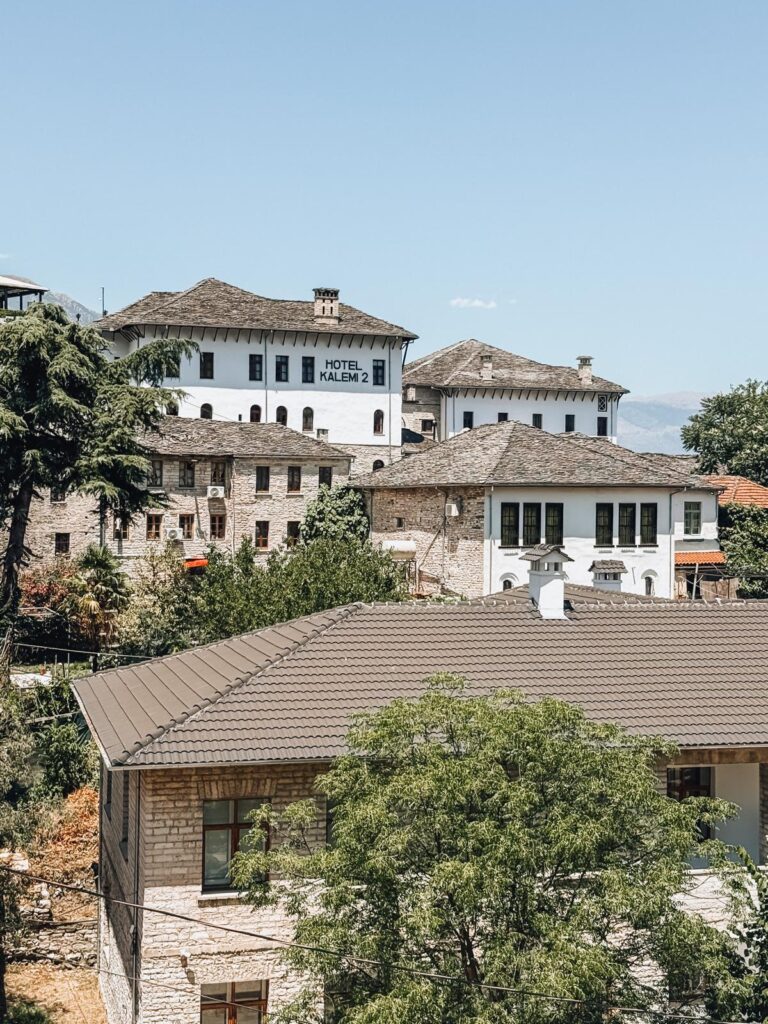
Renting a Car in Albania: Freedom with a Few Surprises
I still remember my first road trip through southern Albania, windows down, music playing, sea views unfolding as we drove from Himara to Ksamil. It was magical… until we hit the mountain roads near Llogara Pass. Between hairpin turns, free-roaming goats, and impatient drivers overtaking on blind corners, I realized driving in Albania is equal parts freedom and adrenaline.
✅ Pros of Renting a Car in Albania:
- Total freedom to explore remote spots like Theth, Valbona, or hidden Ionian beaches.
- Easier access to small towns where public transport is limited.
- Beautiful scenic drives, especially along the Albanian Riviera.
❌ Cons of Renting a Car in Albania:
- Aggressive driving and limited road signage.
- Uneven road quality in rural areas.
- Very difficult to find parking in popular towns like Tirana or Saranda.
Tip Box – Who Should (and Shouldn’t) Rent a Car:
- Rent a car if: You love road trips, want flexibility, or plan to explore off-the-beaten-path places.
- Skip the car if: You’re uncomfortable driving abroad or want a stress-free vacation focused on major cities.
Heads-Up on Fuel Costs: One thing many travelers don’t realize until they’re on the road, Albania has some of the highest petrol prices in Europe. As of 2026, fuel can cost upwards of €1.80 – €2.00 per litre, which adds up quickly if you’re covering long distances. Budget accordingly if you’re planning a road trip, especially in rural areas where gas stations can be sparse.

Want the Easiest Way to Explore Albania?
If you’re planning a road trip along the Riviera or into the mountains, renting a car is 100% worth it, you’ll save time, reach hidden spots, and stop wherever the view demands a photo.
Here are my go-to resources that I personally use and recommend:
Search Car Rentals on DiscoverCars
Compare top agencies (likeAvis, Sixt, and Europcar) and find the best rates for Tirana, Saranda, or Shkodra.
Check RentalCars.com Deals
Perfect if you want free cancellation and global brand coverage.
Plan Your Route on Rome2Rio
See how long each drive takes and combine car routes with buses or ferries.
Local Taxi Apps:
In Tirana, apps like SpeedTaxi, Patoko, and Vrapon make short city rides quick and reliable, no need to negotiate or guess prices.
Want more help planning your route?
Albania Itineraries and Road Trip Guide is coming soon. I will break down the best routes, stops, and driving tips for every region.
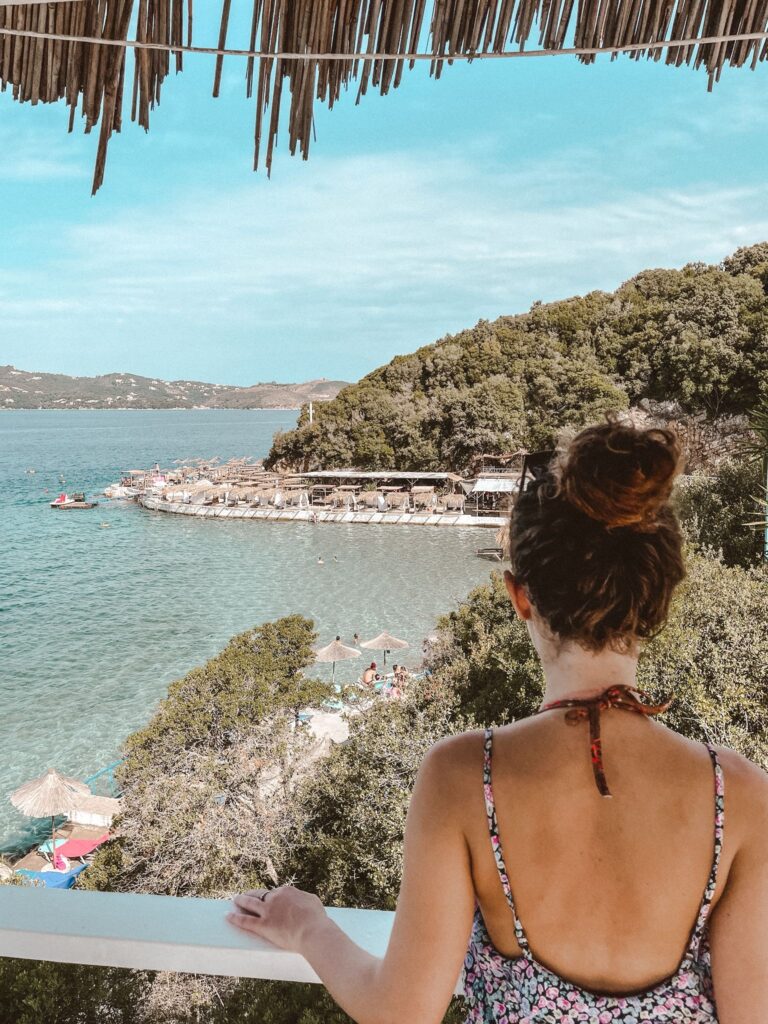
Furgons in Albania: The Most Local Way to Travel Between Cities
What Is a Furgon? A furgon is a shared minibus or van, Albania’s most traditional and affordable way to get between cities. They’re the heartbeat of public transportation in Albania, running on semi-flexible routes and leaving when full rather than on fixed schedules.
The first time I took one, a local grandmother waved me toward a white van, yelling “Berat! Berat!” That was my “ticket office.” A few euros and a dozen stops later, I was deep in rural Albania, chatting with strangers like old friends.
How to Find and Use a Furgon
- Look for clusters of white vans near local bus terminals or main intersections.
- In Tirana, furgons leave from two main terminals. (“Terminali i Autobuseve te Jugut dhe Veriut” and “Terminali Lindor i Autobuseve“)
- Pay the driver directly, usually cash-only, around €3 – €10 depending on distance.
Pros & Cons of Traveling by Furgon
Pros:
- Cheap, quick for short distances, and full of local character.
- Ideal for getting between cities in Albania not served by big buses.
Cons:
- No online booking options.
- Tight on luggage space and sometimes hot in summer.
Local Tip: Don’t be afraid to ask locals, “Ku është furgoni për Berat?” (Where’s the furgon for Berat?). Albanians are famously helpful, someone will always point you the right way.
Buses in Albania: How to Get Around Without a Car
If you prefer predictability, Albania’s intercity buses are the way to go. I once rode from Tirana to Shkodra, spending 2.5 hours gazing out at mountain landscapes while Balkan pop music played in the background.
How to Find Bus Routes and Schedules
- Use Gjirafa Travel or ask your hotel to call local stations; timetables can change.
- There are two terminals in Tirana: “Terminali i Autobuseve te Jugut dhe Veriut” and “Terminali Lindor i Autobuseve“
- Some routes, like Tirana to Saranda or Tirana to Vlora, run several times daily.
Cost and Comfort
- Fares are usually €5 – €10 for long-distance routes.
- Buses are basic but safe and air-conditioned.
- Expect local stops along the way, drivers often pick up passengers from the roadside.
Travel Tip: If you’re landing at Tirana Airport, a dedicated Airport Shuttle runs hourly to the city centre, a great first taste of public transport in Albania.
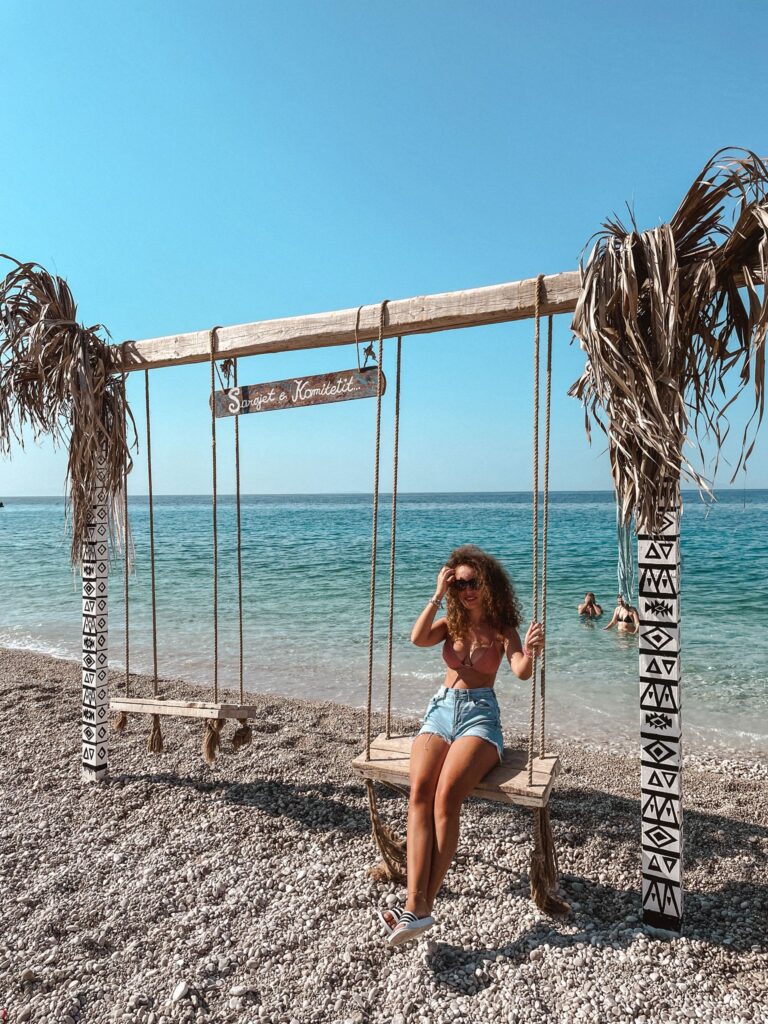
How to Get Around Albania Without Renting a Car: Easy, Cheap & Local
During one of my favorite trips, I explored Berat – Gjirokastër – Saranda entirely using furgons, buses, and taxis. It took some coordination, but it worked beautifully, and I got to meet locals I’d never have met behind the wheel.
Combining Different Types of Transport
The best strategy for traveling around Albania without renting a car is to combine options:
- Buses for long-distance routes (Tirana – Shkodra, Tirana – Saranda).
- Furgons for smaller towns (Berat – Gjirokastër).
- Taxis or ride-hailing apps like Speed Taxi in Tirana for short hops.
Typical Travel Times Without a Car
- Tirana – Berat: ~2.5 hrs
- Berat – Gjirokastër: ~4 hrs
- Gjirokastër – Saranda: ~2 hrs
You’ll need more time than if you drove, but you’ll also see a more authentic, local side of Albania along the way.
But How Do Taxis Work in Tirana?
As said, getting around Tirana is easier than most travelers expect, especially once you know about the local ride-hailing apps. Think of them as Albania’s version of Grab or Bolt.
SpeedTaxi, Patoko, and Vrapon are the most popular options, and they work almost exactly the same way: open the app, drop your pin, and watch your driver arrive in real time. Most drivers speak a little English, and you can pay in cash or by card, depending on the app. Prices are fair, rides are quick, and you’ll rarely wait more than a few minutes in the city center.
I use them all the time when I don’t feel like hailing a taxi on the street, no guessing games, no overcharging, just easy city travel.
If you’re in the city center, you’ll see plenty of taxis parked along the main streets or waiting near squares and cafés. Or, old-school, just wave your hand, and most drivers will stop right away.
Walking & Getting Around in Cities
- Tirana: Flat and walkable; great cafés and neighborhoods like Blloku are best explored on foot.
- Berat & Gjirokastër: Expect cobblestone streets and steep hills, wear comfy shoes.
- Saranda: Coastal promenade perfect for sunset walks.
Train Travel in Albania (Or Why You’ll Probably Skip It)
Albania technically has a railway system, but don’t expect to use it.
Trains here are slow, outdated, and cover very few routes, mostly around Durrës and Shkodra. Even locals rarely (if ever) rely on them. If you’re curious, you can still take a nostalgic short ride between Durrës and Elbasan, but buses and cars are much faster and more reliable.
What’s the Best Way to Get Around Albania for Your Travel Style?
I will always suggest hiring a car to get around in Albania independently. But if you can’t, here’s a quick guide to choosing your ideal way to explore:
- Solo Traveler: Buses or furgons, cheap, safe, and full of local encounters.
- Couple: Rent a car for flexibility and scenic road trips.
- Family: Car rental for convenience and comfort.
- Budget Traveler: Furgons, unbeatable prices and cultural immersion.
- Luxury Traveler: Private drivers or rental cars with hotel transfers.
During my travels, I met backpackers who loved the chaos of furgons and couples who swore renting a car was the best decision they made. Both were right, it all depends on your travel style and how adventurous you feel.
If safety is one of the reasons you’re hesitant about renting a car or using public transport here, you’re not alone. I’ve covered this honestly in my full guide on whether Albania is safe to visit, based on real travel experience.
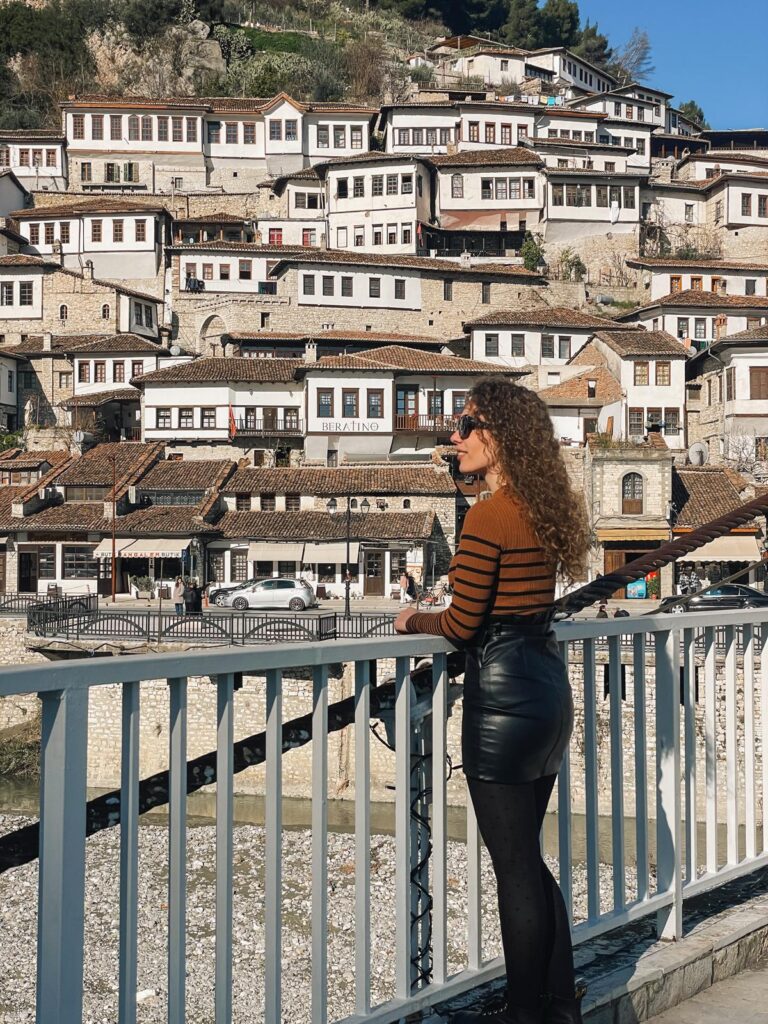
Driving-Specific Tips for Albania
Driving in Albania is one of the best ways to explore the country’s hidden corners, but it comes with a few quirks worth knowing, especially if you’re planning road trips through rural or mountain areas. Here’s what to keep in mind:
- Fuel up often: In rural areas and mountain routes (like Theth or Valbonë), gas stations can be few and far between. Always top up before leaving bigger towns.
- Google Maps works well on main roads and highways, but in remote villages or new roads along the coast, it can occasionally lead you astray. Maps.me or offline maps are great backups.
- Parking: In Tirana, street parking can be tricky, look for marked blue zones and always pay via the local parking app or at nearby kiosks. In Saranda, parking near the promenade fills up fast in summer, so aim for early mornings or side streets.
- Road signs & speed bumps: Speed bumps are common, especially near villages and schools, but they’re not always clearly marked. Keep an eye out and drive slowly through towns.
- Driving style: Albanians can be assertive drivers, so stay calm, expect quick lane changes, and avoid driving too fast, defensive driving goes a long way here.
- Mountain roads: Roads to Theth, Valbonë, or Llogara Pass are stunning but winding. Drive during daylight and take your time, the views are worth it.
- When you visit also plays a big role in how smooth your trip feels. I’ve shared a full breakdown of seasons, crowds, and travel conditions in my guide to the best time to visit Albania.
👉 Pro tip: Always have cash for tolls or parking, and if you rent a car, double-check it includes a spare tire and triangle kit, they’re mandatory by law.
Helpful Maps & Transport Resources
If you want to double-check routes, schedules, or plan connections, these sites are worth bookmarking:
• Gjirafa Travel – The most up-to-date platform for Albanian bus schedules, but with limited destinations.
• Rome2Rio – Good for estimating travel times between towns.
• AlbaniaVisit.com – Occasionally posts updated ferry and furgon details.
• Tirana Parking – You can find Tirana’s parking zones.
At the end of my last trip, I realized there’s no single right answer to how to get around in Albania, only what fits your trip best. Whether you’re driving mountain passes, hopping between towns in a furgon, or watching the countryside roll by from a bus window, traveling around Albania is part of the adventure itself.
Ready to plan your route? Explore my detailed Albania itineraries, city guides, and car rental tips to make your trip smooth from start to finish.
Getting Around Albania: FAQ
Is public transport in Albania safe?
Yes, public transport in Albania is generally very safe. Whether you’re on a furgon, bus, or shared taxi, you’ll find that locals are friendly and quick to help. The biggest “risk” is usually missing a bus because schedules can be unpredictable, not because of safety concerns. Just keep your valuables close (as you would anywhere) and you’ll be fine.
Can you travel in Albania without a car?
Absolutely. You can easily explore Albania using buses, furgons, and taxis. I’ve personally done full trips across the country without driving, it takes a bit more flexibility and patience, but it’s affordable and gives you a more local experience. Many travelers even prefer it because you can sit back, enjoy the view, and skip the stress of parking or navigating mountain roads.
What is a furgon in Albania?
A furgon is Albania’s version of a shared minibus, a mix between a bus and a taxi. They do have timetables, but usually they leave when full, and are the most traditional way to travel between towns. You’ll usually find them clustered near bus stations or main roads, and you can just tell the driver your destination, pay in cash, and hop in. It’s one of the most local (and memorable) ways to get around Albania.
Are there trains in Albania?
Technically yes, but they’re rarely used by locals or tourists. Routes are limited, slow, and mostly symbolic at this point. If you’re curious, you can try a short ride near Durrës, but for practical travel, stick to buses or furgons.
What’s the best way to get around Albania for tourists?
It depends on your travel style, but if you want to explore outside Tirana, I always suggest renting a car if possible.
For comfort or family trips: Combine car rental with occasional taxis.
Either way, transportation is part of the adventure. Albania’s roads and routes are full of surprises, views, and local stories waiting along the way.
For freedom: Rent a car and explore at your own pace.
For budget travel: Use furgons and buses. The cities are all walkable.