
Tucked into the southern coast of Albania, near the Greek border, Butrint National Park is where ruins and wetlands quietly collide.
You can hear the birds before you see the ruins. The path winds through eucalyptus and fig trees, their roots curling around fallen stones, the air thick with the hum of insects and the scent of damp earth. Then, through the leaves, the first columns appear, half-buried, half-forgotten, reminders of the civilizations that once thrived here.
The ancient city of Butrint isn’t grand or imposing like Rome or Athens. Its magic lies in how quietly it exists, swallowed by nature and time. Moss grows on marble steps once walked by Romans; Byzantine mosaics shimmer faintly beneath protective covers; Venetian walls overlook the still water of the Vivari Channel. It’s not just one civilization’s story; it’s all of them, layered together in one hauntingly beautiful place.
What surprised me most wasn’t the scale of the ruins, but the peace that surrounds them. Even in summer, the crowds stay manageable, and the park feels more like a living memory than a museum. You can wander for hours here, tracing history through whispers of stone and shadow.
In this guide, I’ll share everything you need to know to visit Butrint National Park, how to get there, what to see, the best times to go, and a few personal insights you won’t find on Google.
If you’re still deciding whether southern Albania belongs on your itinerary, my guide to Is Albania Worth Visiting? will help you decide.
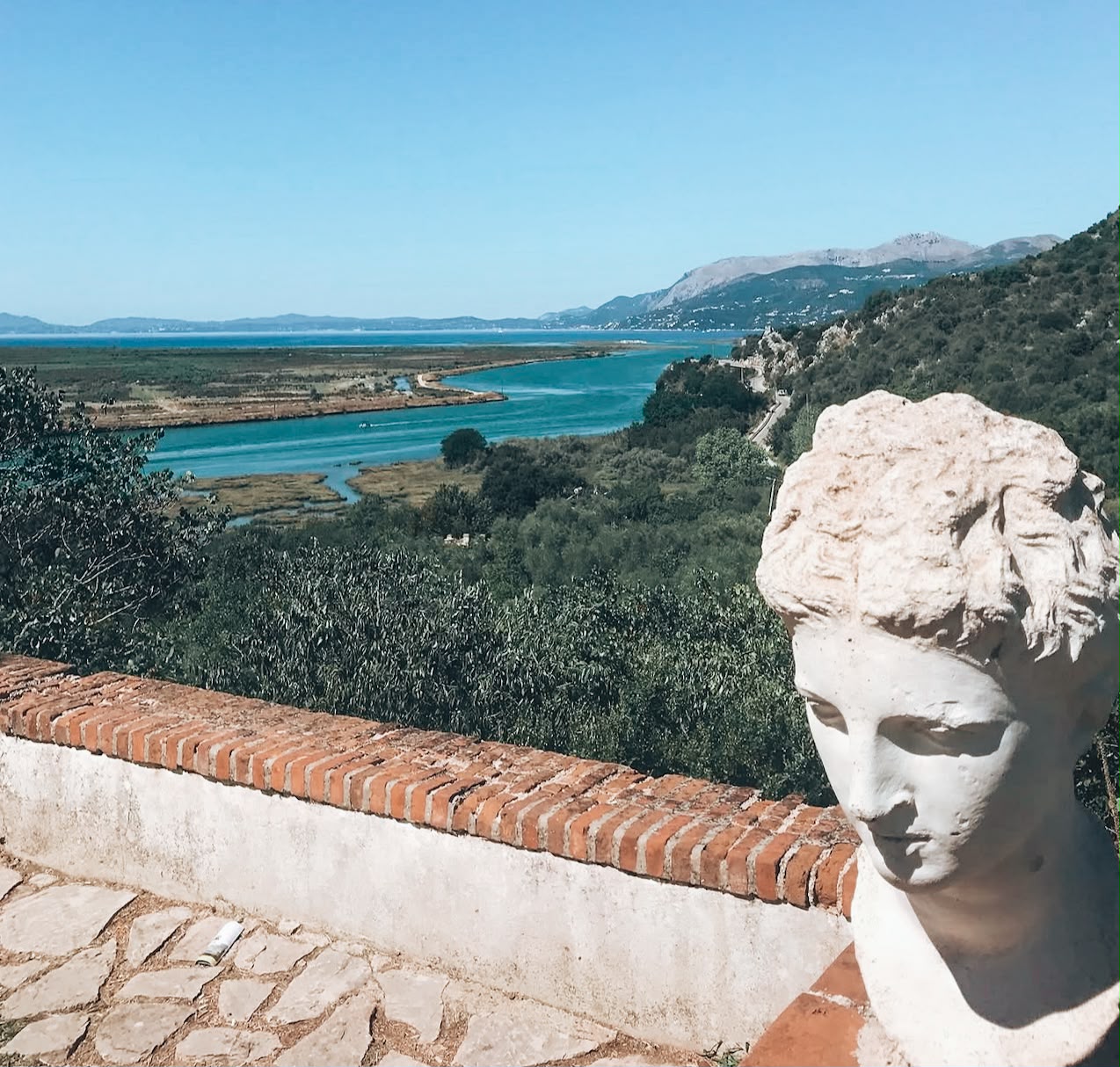
Why Butrint Deserves a Spot on Your Itinerary
Few places in Albania capture its layered history as vividly as Butrint National Park. Once an Illyrian settlement, it grew into a thriving Greek colony in the 4th century BC, was later expanded by the Romans, transformed under the Byzantines, fortified by the Venetians, and touched even by the Ottomans. Each civilization left behind its mark, temples, theatres, mosaics, and fortifications that together tell a story spanning more than two millennia.
It’s recognized as a UNESCO World Heritage Site for both its cultural and ecological significance. (source)”
The ruins sit within a protected wetland ecosystem, surrounded by a lagoon and salt marshes that attract herons, turtles, and over 250 species of birds. As you explore, you’ll often hear the rustle of wings or glimpse reflections of trees in the still water, a reminder that this city has been reclaimed by the natural world.
What struck me most during my visit was how alive it still feels. Near the ancient theatre, I paused to watch tiny fish darting through rainwater pooled between marble stones. In that moment, I realized that Butrint isn’t a relic frozen in time; it’s a place still breathing, where history and nature quietly coexist.
How to Get to Butrint from Ksamil, Saranda, or Corfu
By Public Bus
- Saranda → Butrint (via Ksamil): Look for the local bus marked “Sarandë – Ksamil – Butrint.” It runs along the coast road, stopping at the promenade, then Ksamil, and ends at the park entrance.
- Timing: More frequent in summer (roughly every 20-30 minutes), less frequent in shoulder/off-season.
- Tickets: Buy on board (cash). Keep small bills.
- Ride time: ~40-50 minutes from Saranda; ~10-15 minutes from Ksamil.
- Ksamil → Butrint: Wait at the main road through town; the same bus passes every 20-40 minutes, depending on the season. Tell the driver “Butrint,” so they’ll flag you at the right stop.
- Pro tip: Sit on the right-hand side, leaving Saranda for Ionian views. If you’re visiting at opening time, the first morning bus is usually the calmest and coolest.
If you’re based in Ksamil, you can easily visit the ruins in the morning, then hit these stunning beaches near Ksamil.”
Driving & Parking
- Route: Take the coastal SH81 south from Saranda through Ksamil; it dead-ends at the Butrint National Park entrance.
- Parking: There’s a paid lot directly by the gate. It fills late morning in July-August; arrive early or late afternoon for easy parking.
- Avoid the ferry mess: Skip the small Vivari Channel cable ferry near Ali Pasha’s Castle if your map suggests a “shortcut.” In summer, it queues, slows to a crawl, and doesn’t save time. Stay on SH81 instead—it’s faster and stress-free.
- Road note: The coastal road is scenic but narrow; expect occasional speed bumps and pedestrians in Ksamil.
If you’re exploring by car, consider turning the drive into part of your adventure. My Albanian Riviera Road Trip guide covers the most beautiful stops, hidden beaches, and scenic viewpoints along this spectacular stretch of coast.
Taxis & Tours
- Taxi from Saranda: The fastest, door-to-door option if you’re short on time or visiting at sunrise/sunset. Ask your driver to wait (1.5-2 hours is comfortable) or arrange a return pick-up.
- Taxi from Ksamil: Quick and affordable for small groups; often cheaper than multiple bus tickets + time saved.
- Tours: Half-day tours from Saranda often bundle Butrint + Ksamil + Lekursi Castle or Butrint + Blue Eye. Great if you want context, skip logistics, and maximize a single day.
Coming from Corfu
- Corfu Town → Saranda ferry: High-speed boats take ~30-45 minutes (longer on standard ferries). You’ll clear passport control in both ports.
- Then Saranda → Butrint: Walk or taxi to the promenade bus stop and take the local bus; or hire a taxi straight to the park. If you’re doing Butrint as a Corfu day trip, a pre-arranged transfer/tour saves the most time.
💡 Related: How to Take the Ferry from Corfu to Albania, Full Guide & Tips
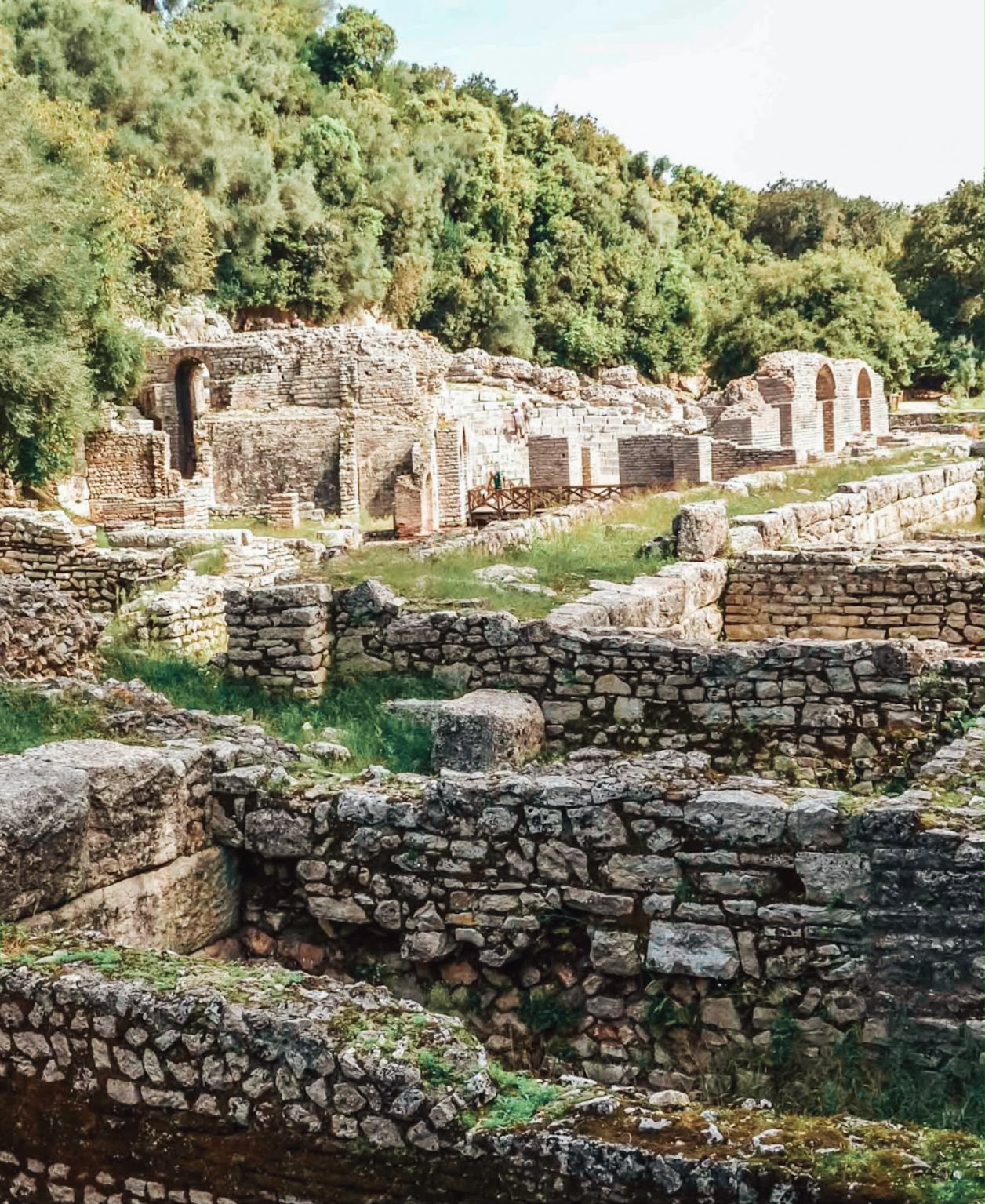
Pro Tip: What’s “Best” by Time/Season
- Peak summer (July-August, late morning): Drive or taxi. Buses are busy and hot; parking is still doable pre-10:00 or after 16:00.
- Shoulder months (May-June, Sept-Oct): Bus is relaxed and scenic; self-drive stays easy.
- Winter/early spring: Self-drive or taxi—fewer buses and shorter daylight.
- If you only have 2-3 hours total (e.g., from Corfu): Book a transfer or tour to remove friction.
Map note for your CMS: Embed a simple map with pins for Saranda Promenade Bus Stop, Ksamil Main Road stop, Butrint Entrance/Parking, and the Vivari Channel ferry (labeled “avoid at peak times”).
Best Time to Visit Butrint
Ideal Hours to Beat Heat + Crowds
- Be there at opening (usually ~08:00) for cool temperatures, empty paths, and soft light in the theatre and Baptistery.
- Golden hour (last 2 hours before closing) is a dreamy second option—quiet trails, warm stone, and fewer tour groups.
- Midday (11:00-15:00) is the hottest and busiest in summer; shade exists, but humidity lingers around the lagoon.
Seasons at a Glance
- Spring (March-May): Lush greenery, wildflowers, and migratory birds; you might spot flamingos in the wider Butrint lagoon system. Temperatures are pleasant; light showers are possible.
- Summer (June-August): Long days and reliable sun. Plan early/late to avoid heat; carry water and a hat.
- Autumn (Sept-Oct): The sweet spot—warm but calmer, golden light, lighter crowds.
- Winter (Nov-Feb): Quiet and atmospheric; after heavy rain, the Roman theatre can flood, reflecting columns in the pooled water—magical for photos, but some areas can be slippery or briefly inaccessible.
Not sure which season is best for your trip? Check out my complete guide to the best time to visit Albania, where I break down the weather, crowds, prices, and what each month is really like across the country.
A Personal Timing Win
I reached the theatre just after opening, when overnight rain had left a thin mirror of water across the lower steps. Not a soul in sight—only the soft echo of birds and the faint ripple of reflections. Fifteen minutes later, the first group arrived, and the spell broke. If you can, aim for the first hour: Butrint feels like it’s yours alone.
Quick gear tip: Comfortable, non-slip shoes, water, light snacks, small cash, and a sun hat. In winter/shoulder season, add a light rain layer.
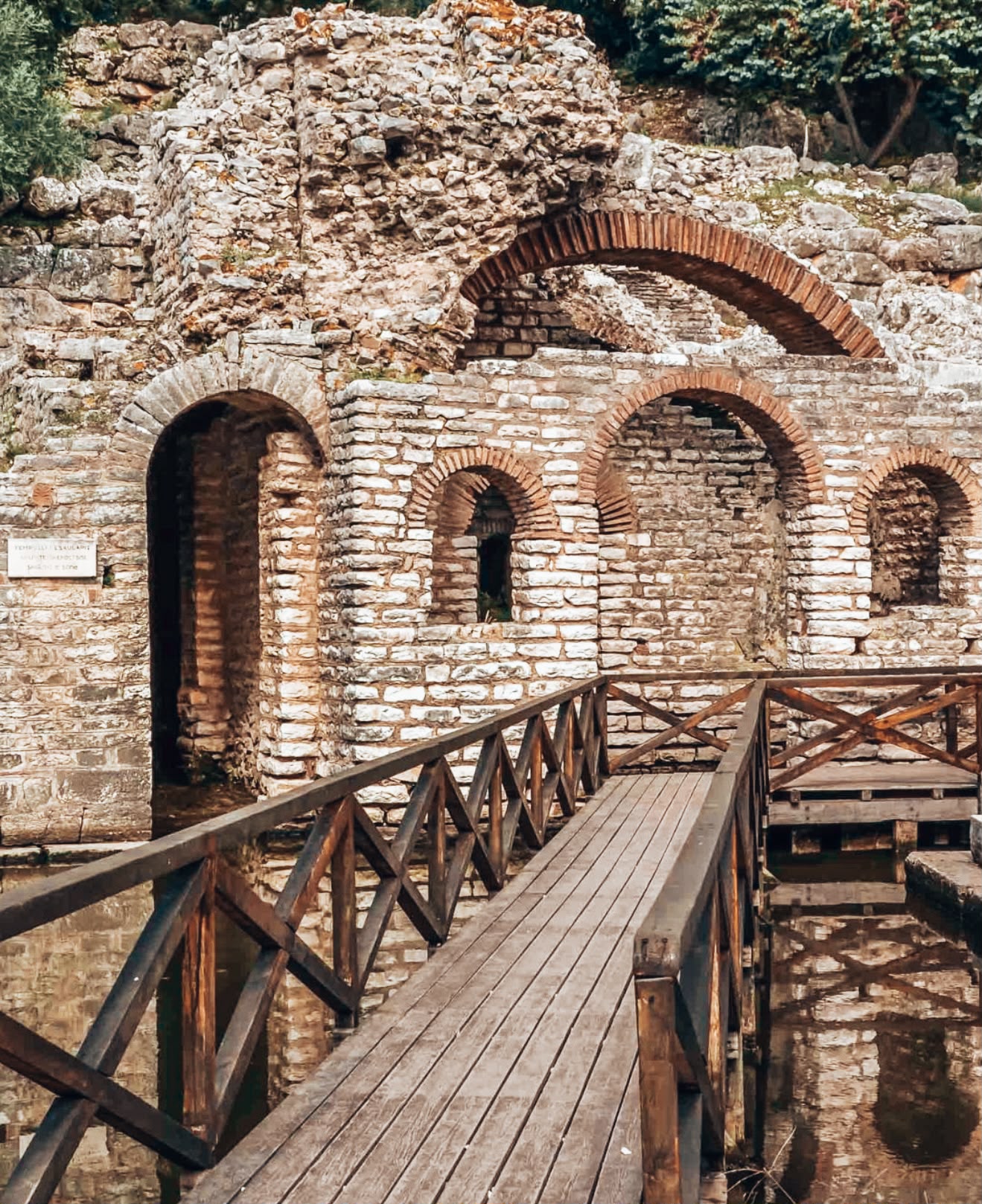
Top Things to See in Butrint National Park (With Photos & Tips)
The Roman Theatre
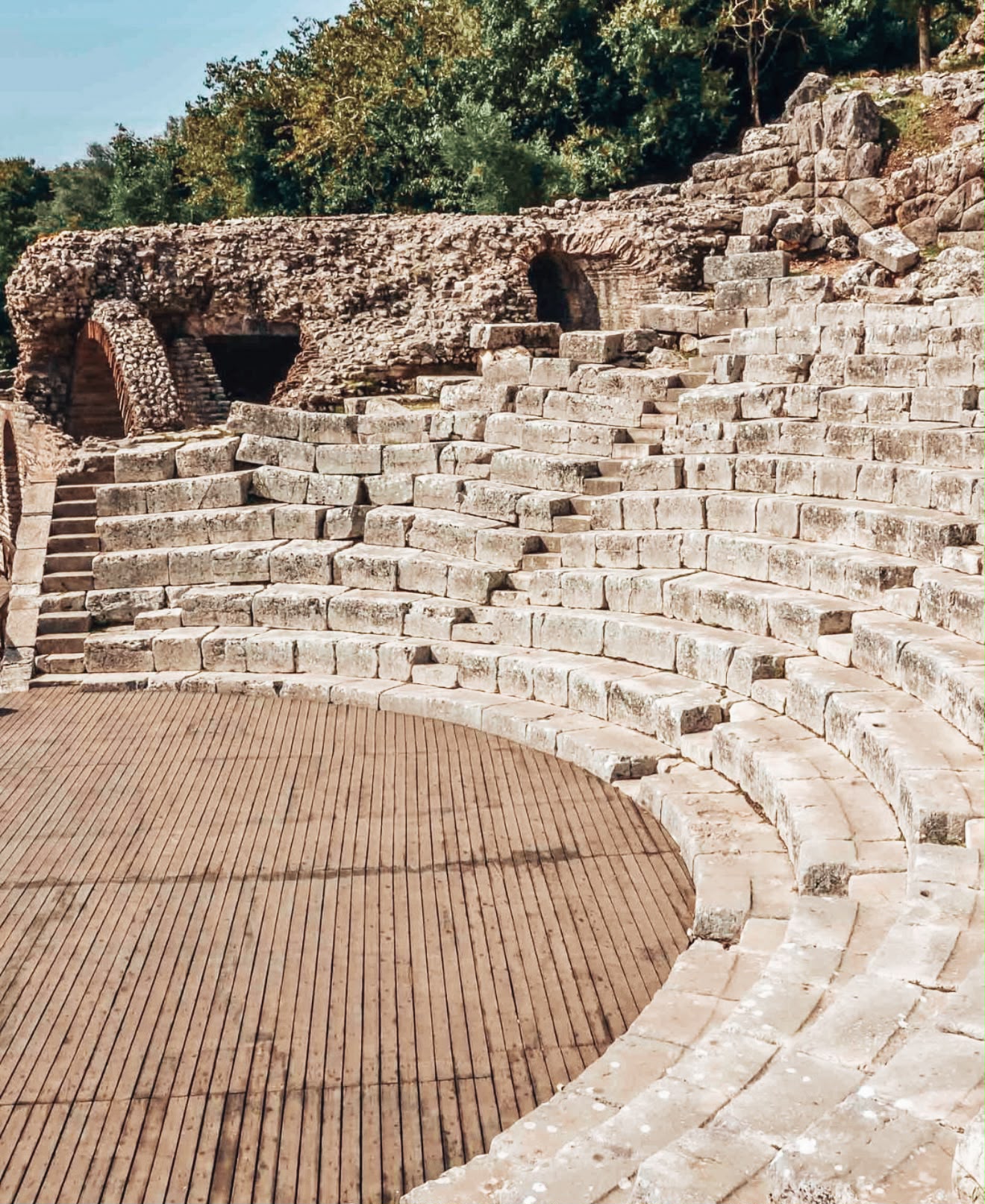
Built during the 2nd century BC and later expanded under Roman rule, the theatre of Butrint could once hold around 1,500 spectators. It hosted comedies, political gatherings, and religious ceremonies in honor of Asclepius, the god of healing, whose sanctuary once stood just above it.
Today, its stone steps still curve gracefully into the hillside, framed by olive trees and echoes of centuries past. When I stood there, the only sounds were birds and the soft rush of wind through the reeds. I sat for a while on the worn limestone seats, testing the acoustics by whispering, and yes, even the smallest sound carries. It’s easy to imagine the applause that once filled this natural amphitheatre.
The Baptistery
Tucked quietly among trees, the Baptistery of Butrint is one of the most important early Christian monuments in the Balkans. Its vast mosaic floor, dating back to the 6th century, is an intricate circle of geometric and animal motifs symbolizing renewal and faith.
Because it’s so delicate, the mosaic remains covered for most of the year, protected by layers of sand and fabric to shield it from weather and flooding. It’s uncovered only on rare occasions for conservation or special visits.
When I visited, it was hidden, yet the outline of the columns and the stillness of the space were enough to sense its spiritual weight. My tip? Walk around the perimeter, and you’ll see small windows in the covering where fragments of color peek through, like a secret the site keeps to itself.
The Great Basilica
Once the heart of Christian worship in Butrint, the Great Basilica stands as a testament to the city’s Byzantine chapter. Built in the 6th century, its grand proportions, nearly 30 meters long, suggest it was both a place of ceremony and pilgrimage.
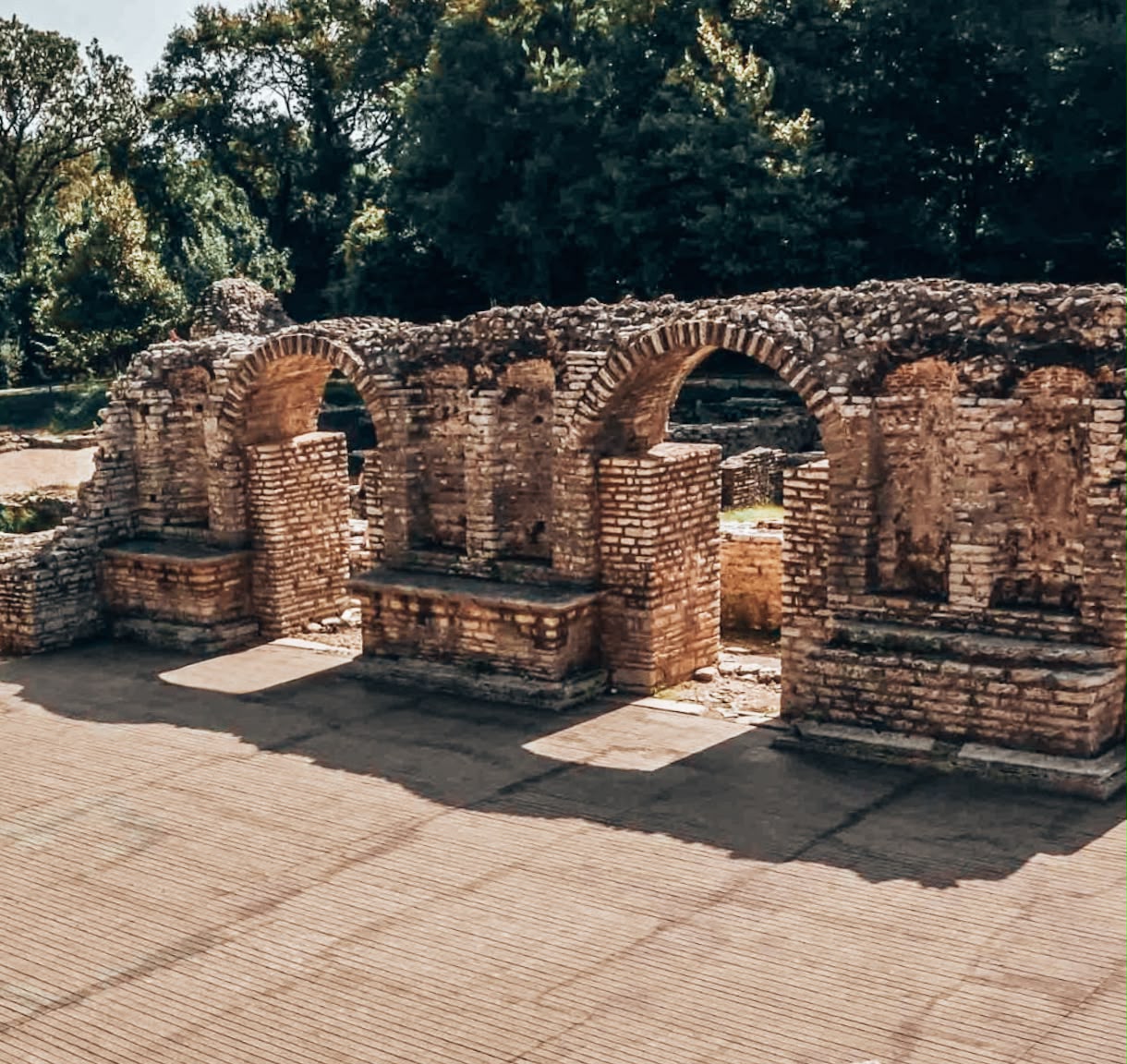
What struck me most wasn’t its size, but the play of light and shadow filtering through the arches. Columns stand like silent sentinels, some toppled, others still upright, their marble veined with age. It’s one of those ruins that still feels alive, where you can almost hear the faint rhythm of footsteps and prayer.
The Lion Gate
The Lion Gate is one of Butrint’s most photographed spots, and for good reason. Above the narrow stone passage sits a relief of a lion devouring a bull, carved during the Hellenistic period. Historians interpret it as a symbol of power, victory, and perhaps even protection for those entering the city.
But if you’re not paying attention, you could easily walk past it. The carving is weathered, tucked into shadow. When I finally noticed it, I stopped for several minutes, tracing the outlines with my eyes. There was something raw about it, a reminder that even ancient cities needed guardians.
The Acropolis & Venetian Castle
Climb to the top of the hill, and you’ll reach Butrint’s Acropolis, later fortified by the Venetians, who built the castle that still crowns it today. From here, the view stretches over the Vivari Channel, the lagoon, and across to Corfu, a panorama that ties together history and geography in one glance.
Inside the small archaeological museum, you’ll find artifacts unearthed from every era: Illyrian pottery, Roman coins, Venetian weaponry. My favorite was a tiny bronze figurine, unassuming, yet somehow embodying the quiet persistence of the site itself. The climb up is short but steep; take your time, turn around often, and watch how the ruins slowly merge into the landscape below.
The Roman Baths & Forum
Just beyond the theatre lie the remains of the Roman Baths and Forum, once bustling with citizens conducting business, bathing, and gossiping under the Mediterranean sun. The baths’ hypocaust system, a clever network of underfloor chambers, once carried hot air from furnaces to warm the rooms above, an early marvel of engineering.
As I stood over the broken tiles, I imagined the rhythm of ancient life here: steam rising, chatter echoing off marble, merchants calling out across the square. It’s easy to forget that these serene ruins were once full of voices, and that’s exactly what makes Butrint so moving.
A Peaceful Place Lost in Time
There’s something strangely humbling about walking through a city that’s been claimed back by nature. In Butrint, the stones are no longer just ruins; they’ve become part of the forest itself. Fig trees split through marble steps; ferns curl from cracks in old walls; and moss softens every sharp edge as if time itself is trying to heal the city.
Unlike other archaeological sites where everything feels curated and controlled, Butrint feels wild, quietly breathing on its own rhythm. There are no crowds pressing forward, no fences that shout “Do not enter.” Only the hum of cicadas, the rustle of birds in the canopy, and your own footsteps echoing between centuries.
At times, it’s easy to forget you’re in a UNESCO World Heritage Site at all. The lagoon glints through the trees, the air smells faintly of salt and eucalyptus, and the path curves on endlessly, revealing temples, gates, and forgotten altars half-buried under leaves.
I left with the feeling that Butrint isn’t a place you visit, it’s a place that stays with you. A fragment of silence and greenery you carry long after you’ve stepped back into the modern world.
Visiting Ali Pasha Castle: Butrint’s Scenic Bonus Stop
If you have extra time after exploring Butrint, consider a detour to Ali Pasha Castle, a small but atmospheric fortress rising from the lagoon’s edge. It was built in the early 19th century by Ali Pasha of Tepelena, the Ottoman governor of Epirus, whose influence stretched from southern Albania into Greece. Known as both a visionary and a tyrant, Ali Pasha fortified the region’s ports to control trade routes, and this tiny castle was one of his defensive outposts.
How to Get to Butrint from Saranda, Ksamil, or Corfu (Bus, Car & Ferry)
You can reach the castle only by boat. Local operators near the Butrint entrance and Ksamil lagoon offer short trips (usually 30-40 minutes round-trip). Boats glide quietly through the reeds, passing herons and fishermen casting nets into the still water, an unexpectedly peaceful contrast to the grandeur of the ruins.
Was It Worth It?
For me, yes, but not for the monument itself. The castle is small and partly in ruins, but the journey felt like stepping deeper into the same forgotten world as Butrint. When I arrived, there wasn’t another visitor in sight. Just the sound of the wind and the water lapping at the walls. Standing there, watching the reflection of the fortress shimmer on the lagoon, I understood why locals still speak of Ali Pasha with a mix of awe and mystery.
It’s not a must-see, but if you crave quiet corners and atmospheric views, it’s a fitting final chapter to a day at Butrint, where history, myth, and nature all fade gently into one another.
Practical Tips for Visiting Butrint
Entry & Opening Hours
- Entrance fee: Around 1,000 ALL (≈ €9) for adults. Bring cash, as card payment isn’t always available.
- Opening hours: Typically 08:00-20:00 in summer (April-October) and 09:00-16:00 in winter, but double-check the official Butrint National Park website for the most up-to-date hours.
- Best days: Weekdays are calmer, especially Monday-Thursday mornings. Weekends and national holidays see more domestic visitors.
- Free entry: Albanians and residents sometimes enjoy free or reduced admission on national cultural heritage days (like May 18 or November 28), which means crowds—plan around them if you prefer quiet.
What to Pack
Butrint is part ruin, part nature walk, so come prepared:
- Water – none sold inside the park itself.
- Hat & sunscreen – limited shade around open ruins.
- Comfortable walking shoes – stone paths and roots can be slippery.
- Bug spray – essential near the lagoon, especially at dusk.
- Cash – for tickets and the small cafés nearby.
How Much Time Do You Need
Allow 1.5-2 hours minimum to see the main highlights (theatre, basilica, baptistery, acropolis). If you love history or photography, plan for 3 hours—time disappears quickly once you start wandering.
Amenities on Site
- Toilets: Available near the entrance and the small museum.
- Café: A relaxed spot by the water outside the gate—great for a coffee before or after your visit.
- Maps: Offered at the ticket booth or museum; digital versions can be found on the official Butrint website or Google Maps.
- Accessibility: Paths are uneven and may be challenging for strollers or wheelchairs.
Local tip: Visit after 16:00 in summer—light gets softer, temperatures drop, and tour buses have usually left.
FAQs About Visiting Butrint
Is Butrint worth visiting if I’ve seen ruins elsewhere?
Absolutely. It’s not about scale, but atmosphere; a few sites blend ancient history with untouched nature so effortlessly.
Can you swim near Butrint?
No, swimming isn’t allowed inside the park, but nearby Ksamil beaches are perfect for a post-visit dip.
How far is Butrint from Saranda?
Around 18 km (11 miles), roughly 40 minutes by bus or 25 minutes by car.
Is Butrint accessible year-round?
Yes, but parts may flood after heavy rain in winter (especially the theatre area).
Final Thoughts: Why Butrint Stays With You
Butrint isn’t just another archaeological site to tick off a UNESCO list; it’s a rare place where history feels alive, where time moves slowly, and the natural world has gently reclaimed the stones. Unlike the grandeur of Rome or the crowds of Athens, Butrint’s beauty lies in its quiet resilience, a city that has endured empires, earthquakes, and centuries of silence.
What stayed with me wasn’t a single monument, but a moment: the reflection of a fig tree swaying in a puddle over ancient mosaic tiles, a dragonfly hovering above the old theatre, the stillness so deep it felt almost sacred.
If you love places that tell stories softly, through texture, sound, and solitude, Butrint will linger in your memory long after you leave.
Continue your journey:
Discover more of southern Albania’s hidden treasures:
The Blue Eye: Albania’s Enchanted Natural Spring
Best Beaches Near Saranda