
Growing up in Albania, I never imagined tourists would one day be raving about the Riviera, posting videos of byrek, or debating which Albanian city to visit first. For years, we were the country people didn’t quite know how to place on a map, or worse, one they misunderstood completely.
But now? I see foreigners falling in love with the places I’ve known all my life, and I get why.
There’s something powerful about seeing your home through fresh eyes. Over the years, I’ve watched travelers arrive full of hesitation and leave with stories, friendships, and a completely new perspective.
So before you pack your bags (or scroll to the next reel), here are 26 things to know before visiting Albania, not the copy-paste stuff from tour sites, but the real, useful things I wish someone had told me first.

1. Albania Isn’t Like the Rest of Europe and That’s the Best Part
A lot of people show up expecting Albania to feel like a cheaper Italy or a quieter Greece. But one common misconception about Albania is that it’s somehow “behind” Western Europe, and that couldn’t be further from the truth.
Before visiting Albania, you should know that we’re not trying to copy anyone. Albania has its own rhythm, a little chaotic, deeply authentic, and unapologetically itself. You’ll see people pulling over in the middle of the street just to greet a friend, espresso bars packed at 9 PM, and roundabouts that seem to follow their own rules.
It might feel wild at first, but it’s real. And that realness? It’s part of what makes Albania unforgettable.
2. You’ll Want to Carry Some Lek, Even If You Mostly Use Cards
Do you need lek in Albania? Absolutely.
You might be able to swipe a card at a fancier restaurant or hotel, but the moment you’re at a countryside café or trying to buy fresh fruit from a roadside stall, it’s cash or nothing.
I once had to trade a granola bar and €5 with a local because I couldn’t pay for gas in Theth. Now, I always keep at least 3,000–5,000 lek in my bag, just in case.
The good news? These days, many places will accept euros, especially in touristy areas. The exchange rate won’t be great (definitely worse than what your bank or an official exchange would offer), but if you’re in a pinch, it’s better than nothing.
In any case, my go-to exchange is Iliria Exchange, reliable and with no fees.
3. is English spoken in Albania?
What language is spoken in Albania? It’s Albanian, and it’s unlike anything else in Europe.
Linguists have actually discovered that it’s one of the oldest and most unique languages on the continent, with no direct relatives. It might sound unfamiliar at first, but that’s part of what makes it so fascinating to visitors (and so deeply rooted for us locals).
Is English spoken in Albania? Mostly yes, especially with younger folks in cities.
But in rural areas? Expect creative communication. If you ask for directions, you may end up miming a goat to clarify where you need to go.
Learn a few phrases, even just “Faleminderit” (thank you) goes a long way.
These are the kinds of things to know before visiting Albania that don’t show up on glossy travel blogs, but make a huge difference once you’re here.

4. Albania Is Safer Than You Think
Another common misconception about Albania is that it’s dangerous. Honestly, it’s one of the few places I’ve felt totally at ease.
I’ve hitchhiked on the Riviera, walked alone at midnight in Tirana, and hiked solo in the Alps. Not once did I feel unsafe.
Yes, you’ll get stares, especially if you’re traveling alone. But they’re more “curious neighbor” than “serial killer.” The biggest danger? Dodging scooters in Tirana traffic.
I’ve written more about this in my full breakdown of whether Albania is safe to visit, and what it’s really like for solo female travelers in Albania.
5. Why You Might Want to Skip the Beaches, At First
Most people rush straight to Ksamil, and yeah, it’s beautiful. But if you stop there, you’re missing the soul of Albania.
My jaw dropped the first time I saw Valbona Valley. Water so clear it looks fake, stone houses with sheep in the yard, and trails that feel untouched. Pack layers, though, even in July, those mountain nights get chilly.
6. The Beaches? Wild, Gorgeous, and Worth the Hype
Just… not in August.
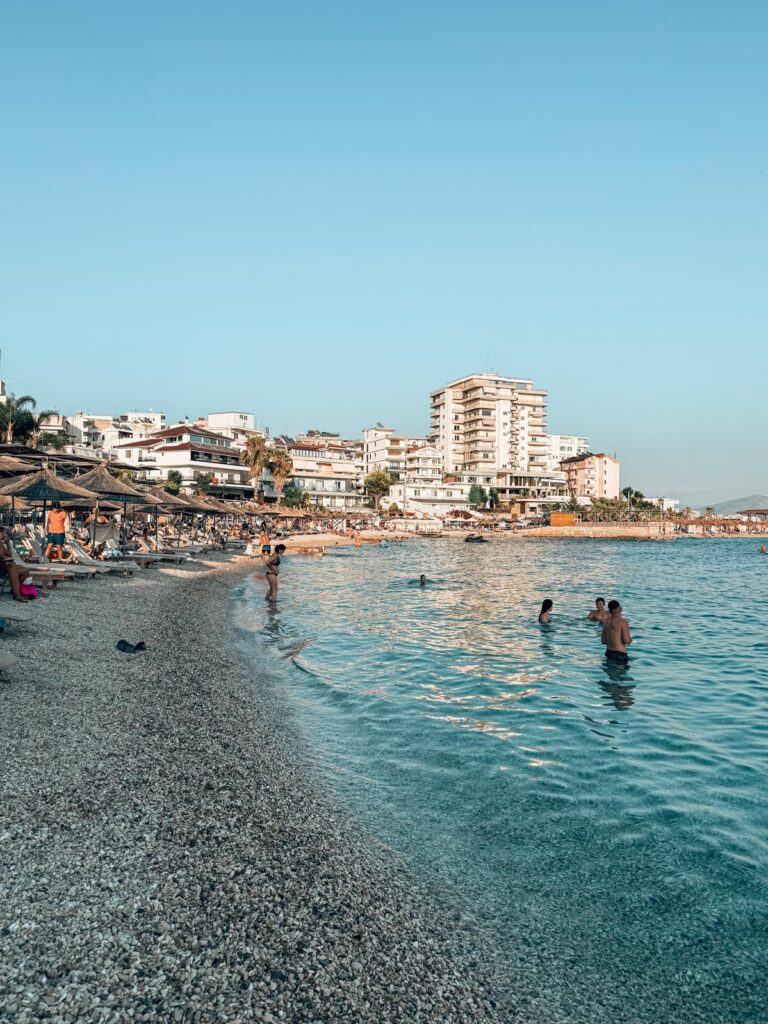
If you want Instagram-perfect waters, go to Ksamil. But for peace and a taste of local life, Himara or Gjipe are better bets. Gjipe is hidden and only reachable by hike, totally worth the effort.
You may watch the stars without a single resort light in sight.
7. Public Transport Is… Creative
There’s no real bus schedule. A “10 AM departure” usually means “we leave when full.”
I once sprinted for a furgon that was supposed to leave at 10, only to find out it had gone early. Lesson: Show up early and bring snacks, delays are the norm.
You can read more in my travel guide: How to Get Around in Albania Without the Stress or Confusion.
8. No Vaccines Required, But Don’t Skip Insurance
Do I need vaccinations to visit Albania? Nope, no special ones.
That said, I always recommend travel insurance. After slipping on a hike near Permet and needing stitches, I realized how limited rural clinics can be. (I have always lived in the city.) Insurance can save you hundreds.
9. The Food Will Blow You Away (If You Know What to Order)
Albanian food is underrated. Try byrek, qofte, tavë kosi, and don’t leave without a shot of homemade raki.
One of my favorite meals? A roadside taverna outside Berat where the owner’s grandma made everything. We had no menu, no English, just incredible grilled trout and hospitality that felt like family.
10. Albanians Will Welcome You Like You’re Family
Albanians don’t do “polite distance.” They invite you in, feed you, and make sure you’re okay.
I’ve been offered rides, meals, and even a place to stay from strangers. One time in Kruja, a woman brought me into her living room while I waited for a bus, no agenda, just kindness. They will respect you twice by being foreigners.
11. The Bunkers Tell a Story, Look Closer
Over 170,000 bunkers dot the landscape, thanks to Enver Hoxha’s paranoia. Some are eerie, others fascinating.
Bunk’Art in Tirana is a must-visit museum, a time capsule. Don’t skip it if you want to understand Albania’s past (and its present).
12. Not Everything Works, But That’s the Charm
Roads can be rough. Buses don’t always show up. Some cafés just decide not to open. And yes, sometimes the internet, water, or electricity just… stops. Welcome to Albania!
But honestly? That unpredictability is part of the charm. Albania isn’t polished, and that’s exactly why it feels so real.
Just download offline maps and pack a little patience. You’re definitely going to need both

13. Religion and Culture Are Incredibly Tolerant
You’ll see mosques, churches, and Bektashi temples, often in the same village.
Albanians value respect over rules. During Eid, my hostel host in Shkodra also hung Christmas lights. It’s not about labels, it’s about community.
I’ve seen families celebrate both Eid and Christmas in the same month, with just as much joy. And that’s another thing we are proud of.
14. Albania Is Still One of Europe’s Best Travel Deals
Despite rising tourism, Albania is still incredibly affordable.
Boutique hotel? €40. Seaside dinner? €15. Rental car? €30/day. You may stay for one month on less than you would in one week in Italy.
Go soon, it won’t stay this affordable for long.
15. Staying Connected in Albania: SIM Cards, Wi-Fi & What to Expect
Here’s some real Albania travel advice: staying connected here is way easier than most people expect. And the price is fair.
Most towns and cities have solid 4G coverage, and the two providers are One and Vodafone. You can grab a prepaid SIM at the airport or in any phone shop. I usually recommend Vodafone’s tourist plan. It comes with enough data for maps, social media, and all the Google Translate moments you’ll need.
Wi-Fi is available in most hotels and cafés, and you’ll even find it at some beaches. But in the mountains? Don’t count on it. If you’re heading to places like Theth or Valbona, definitely download offline Google Maps before you go. Trust me, it’s a lifesaver.
I break this down in much more detail in my full guide to staying connected in Albania, including SIM cards, eSIMs, and what actually works in rural areas.
16. Tipping in Albania: A Local’s Guide
Tipping isn’t expected in Albania, but it’s appreciated.
In restaurants, most locals just round up the bill or leave 5–10% if the service was great. At cafés, dropping a few coins or leaving the change is totally fine. For taxis, round up to the nearest euro. And if you want to tip hotel staff, €1–2 per bag or per night is a nice gesture.
Bottom line? Nobody will chase you down if you don’t tip. But when you do, it’s seen as a kind surprise, not something that’s automatically expected.

17. Driving in Albania: Know This Before Renting a Car
If you’re planning to rent a car in Albania, buckle up, it’s the best way to explore, but it’s not always a smooth ride.
The main highways are improving fast, but once you turn toward mountain villages or small coastal roads, expect potholes, random speed bumps, and goats crossing without warning. Albanians drive confidently (let’s say assertively), so stay alert and go with the flow.
A few tips from experience:
- Gas stations: fill up before leaving bigger towns, rural areas can have long gaps without fuel.
- Navigation: Google Maps works fine on major routes, but in smaller towns, Waze or Maps.me sometimes does better. Always download offline maps before heading north or inland.
- Speed limits: 40 km/h in cities, 80 km/h on open roads, 110 km/h on highways. Police checks are frequent, especially near holiday weekends.
- Car rental: local companies like Surprice, Albarent, or AutoEurope often have better prices than global brands. Automatic cars are limited, so book early if you prefer one.
If you’re confident behind the wheel, driving opens up a completely different side of Albania — from hidden waterfalls to forgotten mountain monasteries that buses never reach.
18. There’s No Uber (Yet)
Many travelers are surprised to learn that Uber and Bolt don’t operate in Albania. Don’t worry, locals have plenty of alternatives.
In Tirana, the apps VrapOn and MerrTaxi work well, or you can simply call a taxi from your hotel or flag one on the street. Always ask for the taximeter to be turned on before starting the ride, or agree on a price in advance.
For longer trips, consider private drivers booked through your accommodation or via Facebook groups like “Expats in Albania.” They’re affordable and often double as unofficial tour guides who’ll stop for viewpoints and local lunches along the way.
19. Tap Water & Hygiene: What’s Safe to Drink
This one surprises a lot of people. Tap water in Albania is generally safe in cities like Tirana and Shkodra, but locals themselves usually prefer bottled or filtered water because the taste and pipe quality vary by region.
Outside cities, stick to bottled water, it’s cheap and available everywhere. I always keep a reusable bottle and refill it from large jugs in hotels or restaurants to avoid plastic waste.
Also note: public toilets can be basic outside major towns, so keep tissues and sanitizer in your bag.
20. Why So Many Buildings Look “Unfinished”
You’ll notice concrete houses with rebar sticking out from the top, almost as if construction stopped mid-way.
They’re not abandoned, it’s just how we build. Many Albanian families construct homes floor by floor, whenever they can afford the next step, often leaving space for their children’s future apartments above. The exposed metal rods aren’t neglected; they’re hope, a literal sign that something more is coming.
Once you know that, those unfinished rooftops start to feel like part of Albania’s identity, a reminder of resilience and long-term vision.
21. Waste Management & How to Travel Responsibly
Let’s be honest: Albania’s natural beauty deserves better waste management. You’ll sometimes see litter near rivers or beaches, especially after busy weekends.
Locals and volunteers are working hard to improve it, beach clean-ups and new recycling initiatives are popping up every summer, but travelers can help too.
A few easy ways to make a difference:
- Carry a reusable bottle and shopping bag.
- Don’t leave plastic on beaches or trails (bins can be scarce).
- Support eco-friendly guesthouses and farm-to-table restaurants, they’re growing fast in regions like Permet and Shkodra.
Albania’s wilderness is still raw and spectacular. If everyone leaves it a little cleaner than they found it, it’ll stay that way.
22. Accommodation Quirks You’ll Notice
Hotels and guesthouses in Albania range from seaside boutiques to family-run homestays, and 90 % of them come with a dose of local charm, plus a few surprises.
Don’t expect the same setup you’d find in Western Europe. Double beds sometimes mean two singles pushed together, shower corners often lack curtains or doors, and instead of duvets you might get a flat sheet and blanket even in winter.
It’s not a mistake, it’s just how most homes and small hotels operate here. If you’re sensitive to cold, pack a light sleep liner or an extra layer.
The upside? You’ll almost always get a warm welcome, spotless rooms, and breakfast made by someone’s grandmother.

23. Choose Your Arrival Airport Wisely
Albania now has two international airports, Tirana (TIA) and Kukës (KFZ), plus one across the water that many travelers forget: Corfu (Greece).
- Tirana: Best for most itineraries. It’s close to the capital and central for day trips north or south.
- Kukës: Officially open but not operational. At the moment, there are no regular commercial flights, and most travelers still rely on Tirana or Corfu instead.
- Corfu → Saranda route: A smart trick if you’re heading straight to the Riviera. You can fly into Corfu and take a 30-minute ferry to Saranda, often cheaper and faster than domestic routes.
When leaving, always arrive at the airport early. Security lines can move slowly, and last-minute gate changes are common.
24. Etiquette & Dress Code: How to Blend In
Albanians are modern and relaxed, but modesty and respect still matter, especially in smaller towns and religious sites.
Here’s how to keep interactions smooth and positive:
- Dress smart-casual: Shorts and tank tops are fine in coastal areas, but cover shoulders when entering churches or mosques.
- Greetings: A handshake or simple “Përshëndetje” (hello) works everywhere.
- Home visits: If someone invites you in (it happens often!), remove your shoes at the door and accept coffee or raki, even a small sip shows appreciation.
- Personal questions: Albanians love asking where you’re from, if you’re married, or how much you like their country — it’s friendly curiosity, not intrusion.
Follow these unspoken rules, and you’ll notice how quickly doors – and hearts – open.
25. Respect Local Culture & Nature
Albania’s charm lies in its authenticity. Tourism is growing quickly, so travelers play a big part in shaping its future.
A few simple habits go a long way:
- Ask before photographing people, especially elders.
- Buy local crafts instead of imported souvenirs.
- Keep music low in mountain villages, silence is part of the experience.
- Learn a few Albanian words, even just “tungjatjeta” (hello) or “faleminderit” (thank you).
The more you connect respectfully, the more meaningful your trip becomes, and the better story you’ll tell when you go home.
26. Best Time to Visit Albania
If you can, avoid August, it’s the hottest, busiest, and priciest month on the Riviera.
The sweet spots are May – June and September – October, when the weather is warm, roads are calmer, and prices drop.
Spring brings wildflowers in the Alps, while autumn means grape harvests, empty beaches, and golden light in Berat and Gjirokastër.
Winter travel is also possible, especially if you’re after Christmas markets or skiing in the north — but expect short daylight and limited transport.
I cover this in more depth in my guide: Best Time to Visit Albania: A Local’s Guide.
Quick FAQ on things to know about albania Before You Go
Is Albania in the EU?
Not yet. It’s a candidate country, so bring your passport even if you’re from the EU/Schengen area.
Can I pay in euros?
Yes, in many tourist spots, but you’ll get a worse exchange rate. Always carry some lek.
Is tap water safe?
In cities, usually yes; elsewhere, stick to bottled water.
Is it safe for solo female travelers?
Absolutely. Just use the same common sense you’d apply anywhere, Albania is remarkably welcoming and safe.
Do I need a visa?
Most travelers (EU, UK, US, Canada, Australia) can enter visa-free for up to 90 days.
Ready to plan your itinerary?
Now that you know what to expect in Albania, check out my honest guide: Is Albania Worth Visiting.