
When you think of “culture,” museums might be the first thing that comes to mind, but in Albania, the real stories aren’t behind glass. They’re around the table, in the mountains, and on the streets where daily life unfolds. While I respect the history preserved inside museum walls, I’ve learned that the most authentic experiences in Albania happen outside them, in small, unscripted moments shared with locals.
When I first started exploring the country more deeply, I found myself skipping museum visits altogether. Instead, I wandered into mountain villages, joined spontaneous coffee chats, and accepted countless invitations for homemade meals and raki. That’s where I truly understood Albanian culture, through connection, conversation, and the rhythm of everyday life.
In this post, I’ll take you beyond the guidebooks to discover non-touristy things to do in Albania, the kind of off-the-beaten-path Albania adventures that reveal the country’s true character. Whether you’re after slow travel moments, local encounters, or genuine Albanian cultural immersion, here’s where to start.
If you’re still figuring out which part of Albania fits your travel style, I break it down in my guide on how to choose where to go in Albania based on your interests.
1. Sip Homemade Raki in a Village Home
The first time I tried raki, I wasn’t in a bar or restaurant. I was in a small mountain village near Gjirokastër, sitting at a wooden table surrounded by laughter. My host, a man I’d met just an hour earlier, poured the clear liquid straight from a reused water bottle and raised his glass. “Gëzuar,” he said, smiling. I took a sip, and the fiery warmth hit instantly, followed by the sweetness of the moment, genuine hospitality from complete strangers.
That’s the beauty of Albania: hospitality isn’t a gesture, it’s a lifestyle. Sharing raki isn’t just drinking, it’s a ritual of connection. You’re not a tourist anymore; you’re a guest, part of the family, if only for an evening.
Why it matters:
Tasting homemade raki is one of the most authentic experiences in Albania because it connects you directly with local life. You’ll see how proud Albanians are of their traditions, and how every bottle of raki carries its own story, often passed down through generations.
Practical tip:
If you want to experience this for yourself, look for guesthouses in small villages like Theth, Vuno, or Përmet. Many families welcome travelers with home-cooked meals and their own raki. Booking platforms like Booking.com or Airbnb often mention this in reviews, just look for phrases like “homemade food,” “local family,” or “authentic stay.” You can also ask locals once you arrive, Albanians love connecting travelers with their friends or relatives in the countryside.
In many of these small villages, cash is still king. If you’re unsure how payments work, I explain it in my guide on whether you need lek in Albania.
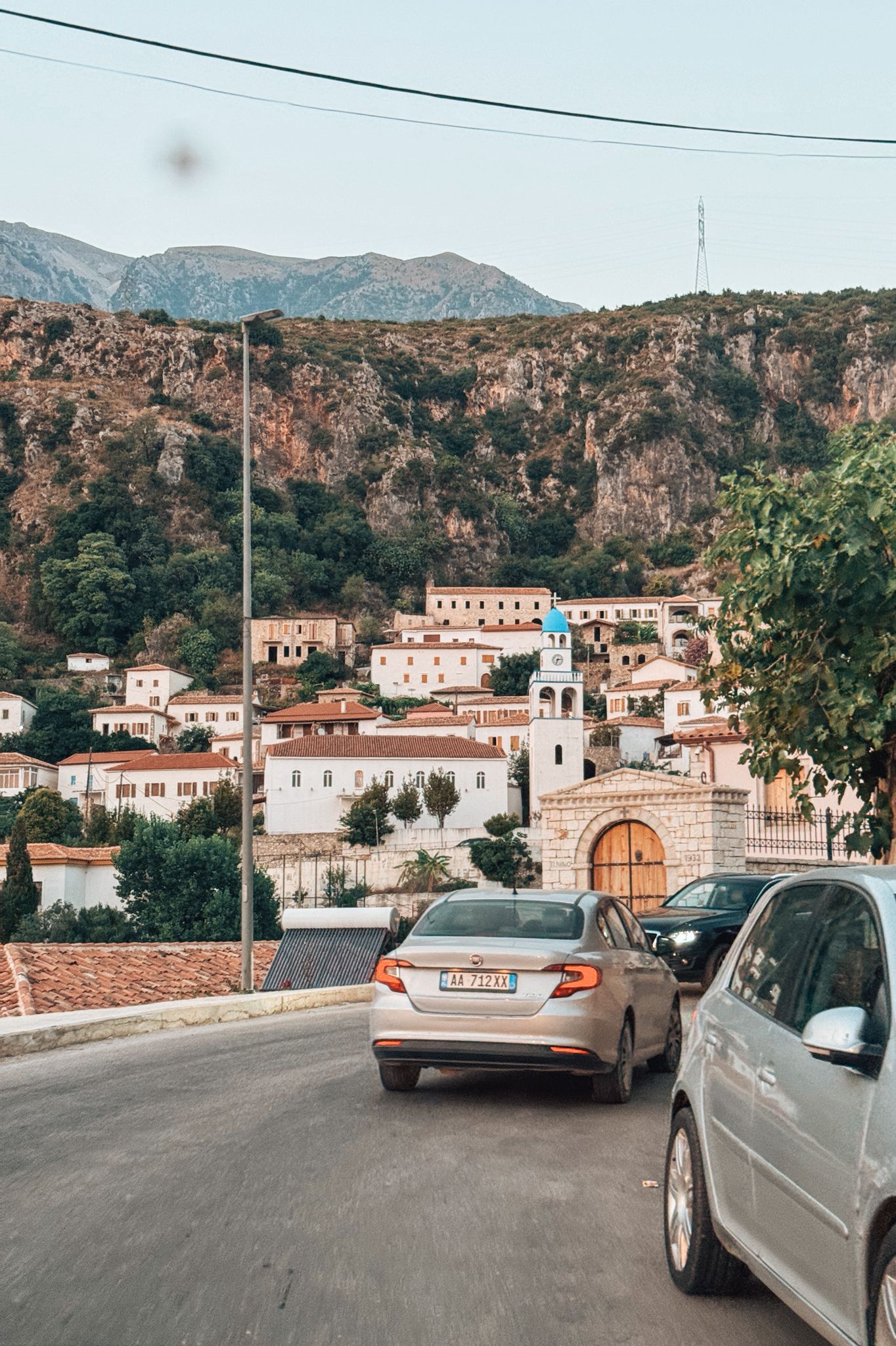
2. Forage with Locals in the Albanian Alps: An Offbeat Albania Experience
One of my favorite memories from northern Albania isn’t a hike or a view, it’s a walk that turned into a foraging lesson. I was trekking near Theth when an elderly villager, carrying a woven basket, invited me to join him. As we walked, he stopped every few meters to point out something new: wild sage, thyme, oregano, and tiny edible mushrooms hiding under the grass. I realized that for him, the mountains weren’t just scenery, they were a living pantry.
We spent the afternoon gathering herbs that he would later dry and sell at the local market. He taught me how to smell for the difference between wild mint and pennyroyal, and how Albanians still use many of these plants for teas and home remedies. There was no Wi-Fi signal, no tourist trail, just centuries-old knowledge passed on in the simplest way.
Why it’s authentic:
Foraging in the Albanian Alps connects you to the land the way locals have lived with it for generations. It’s a beautiful glimpse into sustainable, traditional life, one that most visitors miss entirely. This is the kind of offbeat Albania experience that lets you slow down, listen, and learn.
Tips:
The best places to try foraging are Theth, Valbonë, and Lepushë. In spring and early summer, herbs and mushrooms are plentiful. You can ask your guesthouse host if they know anyone who forages locally; they often do. A few eco-lodges and community-based tourism projects (like North Albania Outdoor or Journey to Valbona) sometimes organize short foraging walks or cooking classes where you use what you collect.
Getting to places like Theth or Valbonë isn’t always straightforward. I break down exactly how to get around Albania without the stress here.
3. Watch Traditional Iso-Polyphony Singing in Gjirokastër
The first time I heard iso-polyphony, I didn’t fully understand what I was listening to, only that it was powerful. I was sitting on a stone bench in Gjirokastër’s old bazaar when a group of men began to sing, their voices rising and weaving together in a haunting, hypnotic harmony. It felt ancient, almost sacred. By the end of the song, a few people nearby were in tears, including me.
It’s one of those off-the-beaten-path Albania traditions that still feels deeply alive, even in the age of modern travel.
Iso-polyphony is one of Albania’s most treasured traditions, recognized by UNESCO as Intangible Cultural Heritage. But what makes it special isn’t the recognition, it’s the fact that it’s still alive, sung at weddings, village gatherings, and festivals. The songs tell stories of love, war, and everyday life, passed down entirely by ear.
Why it’s authentic:
This is one of the few places in Europe where you can still witness an oral tradition like this, unpolished, heartfelt, and deeply rooted in local identity. It’s one of the most authentic experiences in Albania, especially when you stumble upon it naturally.
Where to see it:
While you can occasionally find performances at cultural centers, the best place to experience iso-polyphony without it feeling staged is in small villages around Gjirokastër or during local celebrations like weddings or harvest festivals. If you’re in town during the National Folklore Festival (held every few years in Gjirokastër Castle), it’s an incredible chance to hear groups from across the country perform live. Otherwise, check with your guesthouse; many hosts know when and where local groups gather informally to sing.
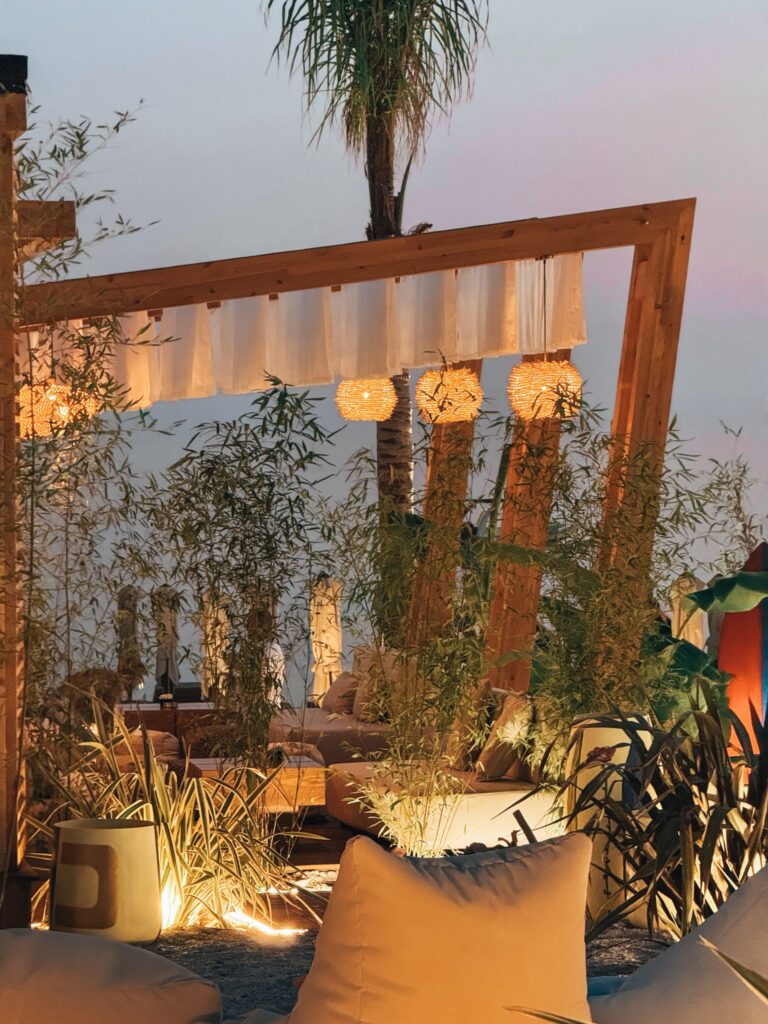
4. Ride a Furgon Like a Local: The Most Non-Touristy Way to Travel Albania
If you really want to understand Albania, skip the rental car and hop on a furgon instead. These shared minibuses are the country’s unofficial transport system, and honestly, they’re one of the most memorable non-touristy things to do in Albania.
My favorite furgon story starts in Berat. I was heading toward the coast, unsure exactly when the next bus would leave. I asked a man standing nearby, and he smiled, opened a door, and said, “We go now!” Within minutes, I was squeezed into a minibus full of strangers, grandmothers with baskets of fruit, kids eating sunflower seeds, and a driver who honked every few seconds while blasting folk music. Somewhere along the road, someone passed me a fig, someone else offered raki, and before I knew it, we were all laughing like old friends.
That ride taught me something no guidebook could: furgons aren’t just transportation, they’re connection. You see real Albanian life unfold in those few hours: kindness, humor, and that spontaneous hospitality that makes the country so unforgettable.
Reader takeaway:
If you’re traveling between smaller towns or regions, don’t default to renting a car. Take at least one furgon ride, it’s a cultural moment you won’t forget. Ask locals where the furgon terminal is (every city has one, though it’s rarely marked), or simply say where you’re going and someone will point you in the right direction. Furgons usually leave when full, so don’t expect strict schedules, but that’s part of the charm.
5. Join a Farm-to-Table Cooking Experience in the Countryside
One sunny afternoon in southern Albania, I found myself in a farmhouse kitchen in Dhërmi, sleeves rolled up, kneading dough beside a grandmother who spoke no English but smiled the whole time. Together, we made lakror, a layered savory pie filled with wild greens and cheese from her goats. Outside, her husband poured olive oil straight from a tin he’d pressed himself the week before. Lunch wasn’t a “class”, it was life, shared.
That’s the magic of farm-to-table cooking in Albania. It;s not about following a recipe, it’s about being welcomed into someone’s home and learning the rhythms of rural life. Unlike city cooking classes, these countryside experiences let you use ingredients grown meters away: fresh herbs, figs, peppers, and homemade cheese. You’ll eat what you make under grapevines, surrounded by mountains or sea breeze.
Why it’s authentic:
These experiences preserve traditional food culture and support small family farms, making them some of the most authentic experiences in Albania. You get to taste, cook, and live Albanian hospitality in the most genuine way possible.
Where to try it:
Village guesthouses in Përmet or Dhërmi: Many families offer informal cooking experiences if you ask. Look for listings mentioning “homemade food” or “cooking with locals.”
Mrizi i Zanave Agroturizëm (Lezhë): Albania’s most famous farm-to-table restaurant, where everything is sourced from their land. They also offer tours and tastings.
Agroturizëm Gjepali (near Tirana): Run by one of Albania’s top chefs, combining modern creativity with traditional roots.
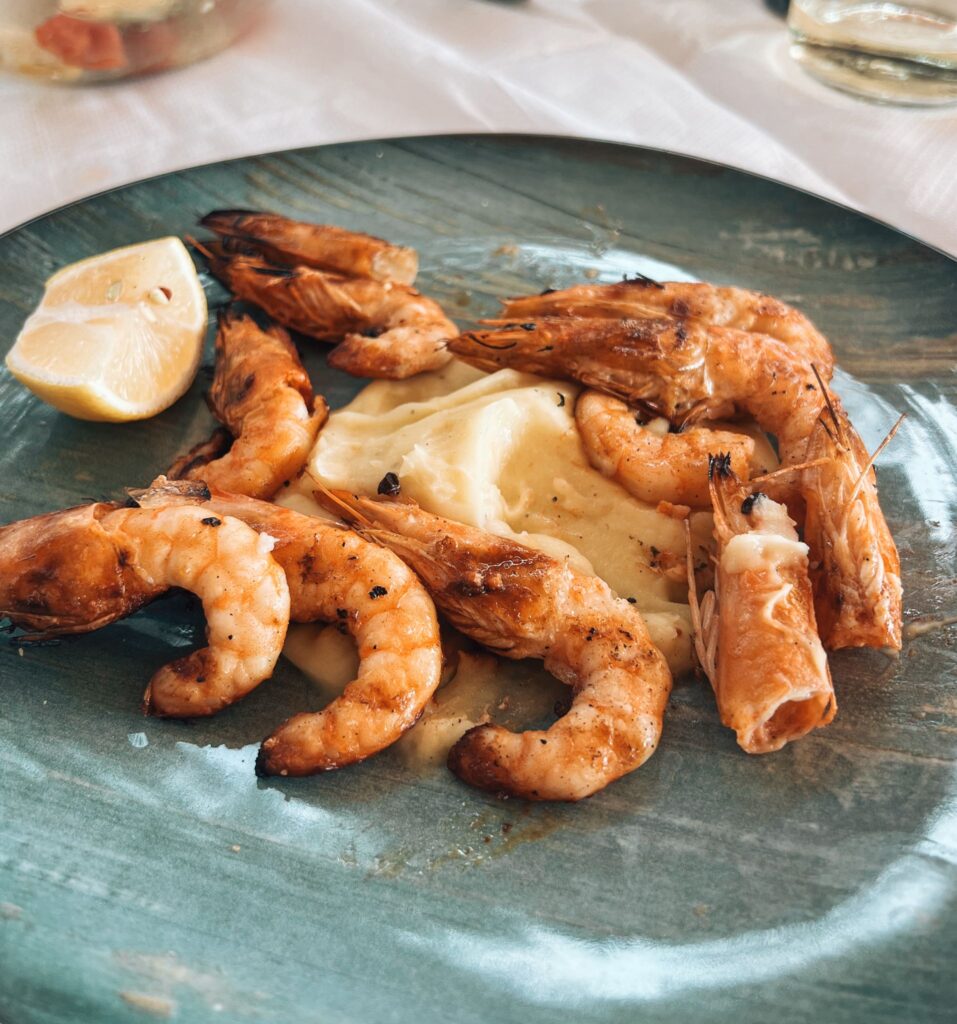
6. Attend a Small-Town Festival
If you ever find yourself in Albania during harvest season, follow the sound of music, it’ll lead you somewhere unforgettable. One autumn, while driving through the hills near Përmet, I stumbled upon a tiny grape festival in a village square. Tables were overflowing with wine, homemade cheese, and baked goods. Kids were running around with sticky fingers, grandmothers were dancing, and someone handed me a glass of red before I even had time to ask what was going on.
That afternoon turned into one of my favorite memories: no tickets, no crowds, just pure joy. People insisted I join the circle dance, taught me local steps, and laughed every time I missed a beat. It wasn’t a performance for tourists, it was a celebration of community, of harvest, of life itself.
Why it’s authentic:
Small-town festivals are among the most non-touristy things to do in Albania, because they’re not made for visitors, they’re made for locals. Whether it’s a cherry festival in Korçë, a flower fair in Përmet, or an olive harvest celebration in Vlorë, these events preserve the soul of Albanian culture: food, music, and togetherness.
Where to find them:
Check local municipality Facebook pages or ask your guesthouse host, they often know the festival calendar by heart. The Gjirokastër Folk Festival, held every few years, draws groups from across Albania, while smaller harvest events pop up in autumn (October–November) in villages across the south. If you want to experience authentic Albania, plan your trip around one of these local festivals.
If you’re planning your full trip, I’ve mapped out complete Albania itineraries for different travel styles and lengths.
7. Walk with a Shepherd in Southern Albania
One morning in the Vjosa Valley, I joined a shepherd as he guided his flock across the hills. The sun had barely risen, and the air smelled of wild thyme. We didn’t talk much, partly because my Albanian wasn’t perfect, partly because silence felt right. But as we walked, he told me small stories: about the land, his sheep, and how his father and grandfather had done this same walk every day of their lives.
There was something deeply grounding in that rhythm, slow, steady, timeless. Watching him move through the landscape, I understood how deeply connected Albanians are to their land. It’s not nostalgia; it’s survival, pride, and love.
Why it’s authentic:
Walking with a shepherd is one of the most offbeat, off-the-beaten-path Albania experiences you can have. It’s not a tourist tour, it’s stepping into a way of life that’s disappearing. It teaches patience, respect for nature, and a quiet kind of freedom.
Where and how to arrange it:
You can find shepherd experiences in Përmet, Vjosa Valley, and around Dhërmi or Gjirokastër’s countryside. Some eco-lodges and agritourism stays can arrange informal walks with local shepherds, just ask when booking. Otherwise, simply wander in rural areas early in the morning; shepherds are easy to spot, and most will gladly let you join for part of their route if you ask politely (and maybe offer to share your snacks!).
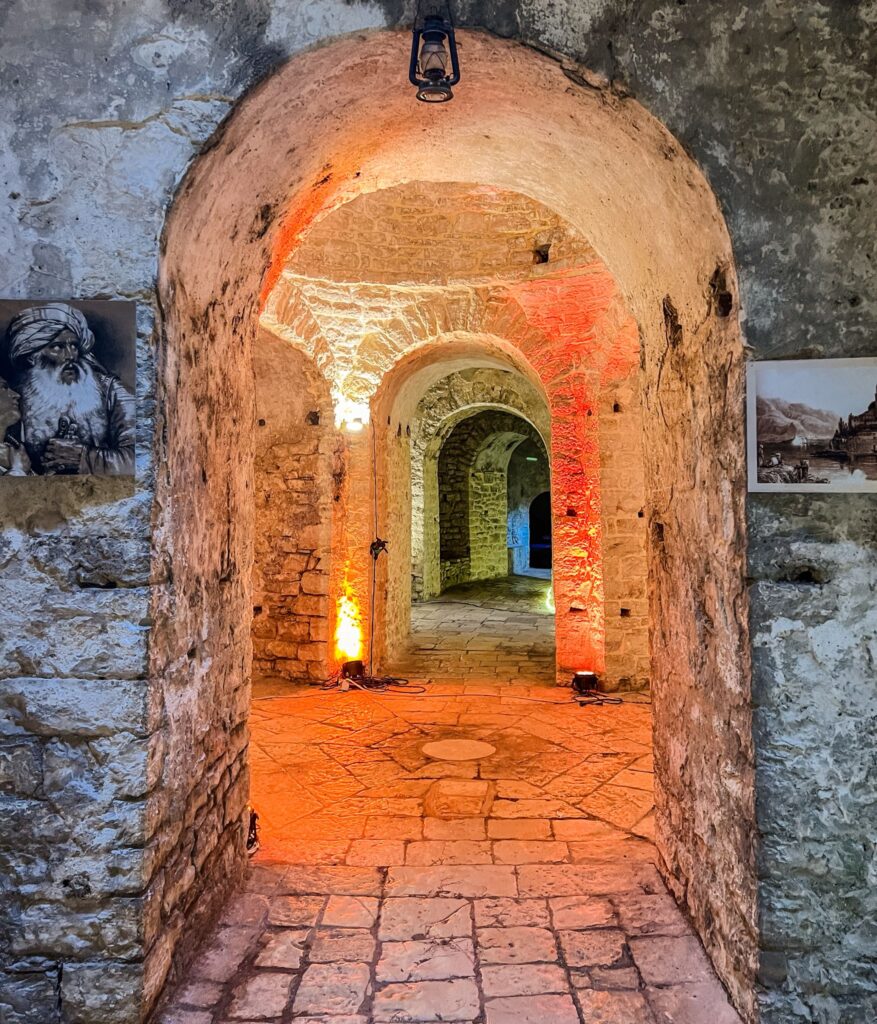
Living Albania Beyond the Museums: What You’ll Remember Most
Skipping museums in Albania doesn’t mean skipping culture, it means meeting it where it truly lives: in homes, fields, and festivals. These authentic experiences in Albania reveal the heartbeat of the country, one shared meal, song, or smile at a time.
Long after your trip ends, you won’t remember the museum exhibits or perfectly curated displays, you’ll remember the moments. The raki shared under a grapevine. The laughter on a furgon. The song echoing through a cobblestone alley in Gjirokastër. Those are the stories that stay with you, the ones that make Albania feel less like a destination and more like a connection.
Traveling offbeat in Albania means saying yes, yes to the strange invitations, to the detours, to the homemade drinks that burn a little but warm a lot. It means embracing unpredictability, trusting people, and realizing that the best parts of Albania can’t be found on a map.
So next time you plan your trip, skip the museums for a day (or two). Step outside, talk to locals, and let the country surprise you. Because this is how you’ll truly experience Albania, not by observing it, but by living it. These truly authentic experiences in Albania are perfect for travelers seeking deeper Albanian cultural immersion, they’ll help you feel the country, not just see it.
I’d love to hear from you, what was your favorite non-touristy experience in Albania? Share it in my DM: @jonaldastojani!