
Tirana doesn’t ease into the night; it flips a switch. One minute you’re walking past quiet cafés, the next the streets are full, music spills out of doorways, and everyone’s moving from bar to bar.
I’ve spent multiple nights exploring Tirana’s nightlife across Blloku, the city centre, and the more local late-night spots to understand how the city actually flows after dark, not just the tourist version, but how locals really move through the night.
This guide is based on real nights out, not just venue lists, and is designed for first-time visitors who want to experience Tirana the way it naturally unfolds.
To actually enjoy it, you need to understand how the night unfolds.
In this guide, I’ll walk you through how Tirana works after dark, from the busy Blloku district, to more laid-back city center spots, to the slightly chaotic local corners you only find by wandering. Along the way, you’ll get a mix of cocktail bars, clubs, typical prices, and the unwritten habits that shape a night out here.
Because once you understand the flow, planning a night in Tirana feels easy and a lot more fun.
This guide is designed for visitors who want to understand how to actually navigate a night out in Tirana, rather than just where to go.
If you’re still planning your trip, start with Is Albania worth visiting – My honest guide or check 26 Things to Know Before Visiting Albania (That Most Guides Skip)
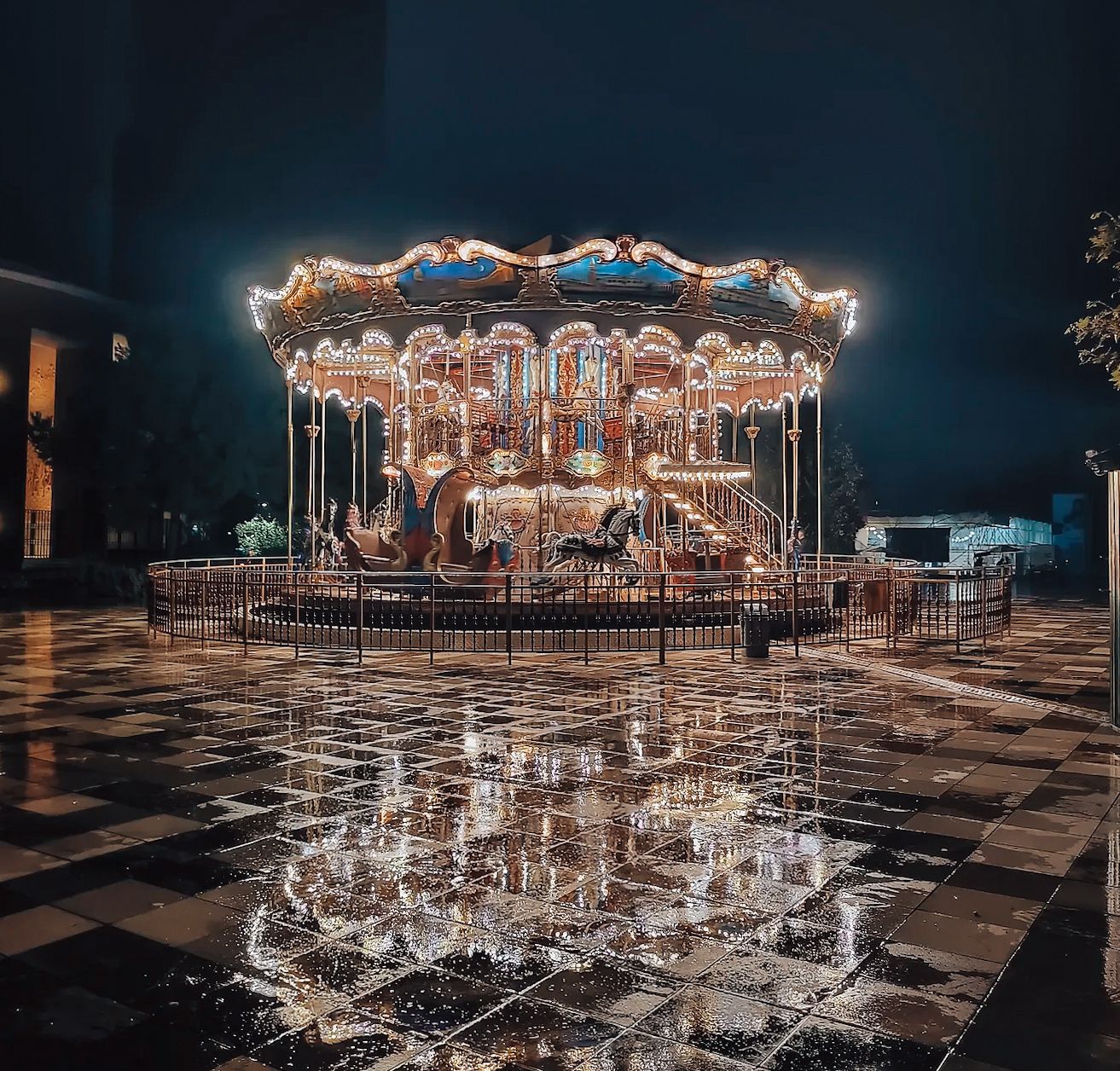
What Makes Tirana Nightlife Different from Other Balkan Cities?
The biggest difference in Tirana isn’t the venues, it’s how the night builds.
When I first went out, what stood out immediately was the timing. Around 9 PM, bars feel half-empty and relaxed. By 11 PM, the same streets are packed, and from there, the night stops following a schedule. People move between places naturally, often just following where the crowd is heading rather than sticking to a plan.
A typical night might start with a quiet drink, turn into a few quick stops nearby, and eventually end up in a club or late-night food spot, all within a few streets and without deciding anything in advance.
On weekends, this becomes even more noticeable. The area around Blloku fills up, music overlaps from different venues, and the entire neighborhood feels like one continuous space rather than separate bars or clubs.
That’s what sets Tirana apart: the night isn’t defined by where you go, but by how it unfolds as you move through the city.
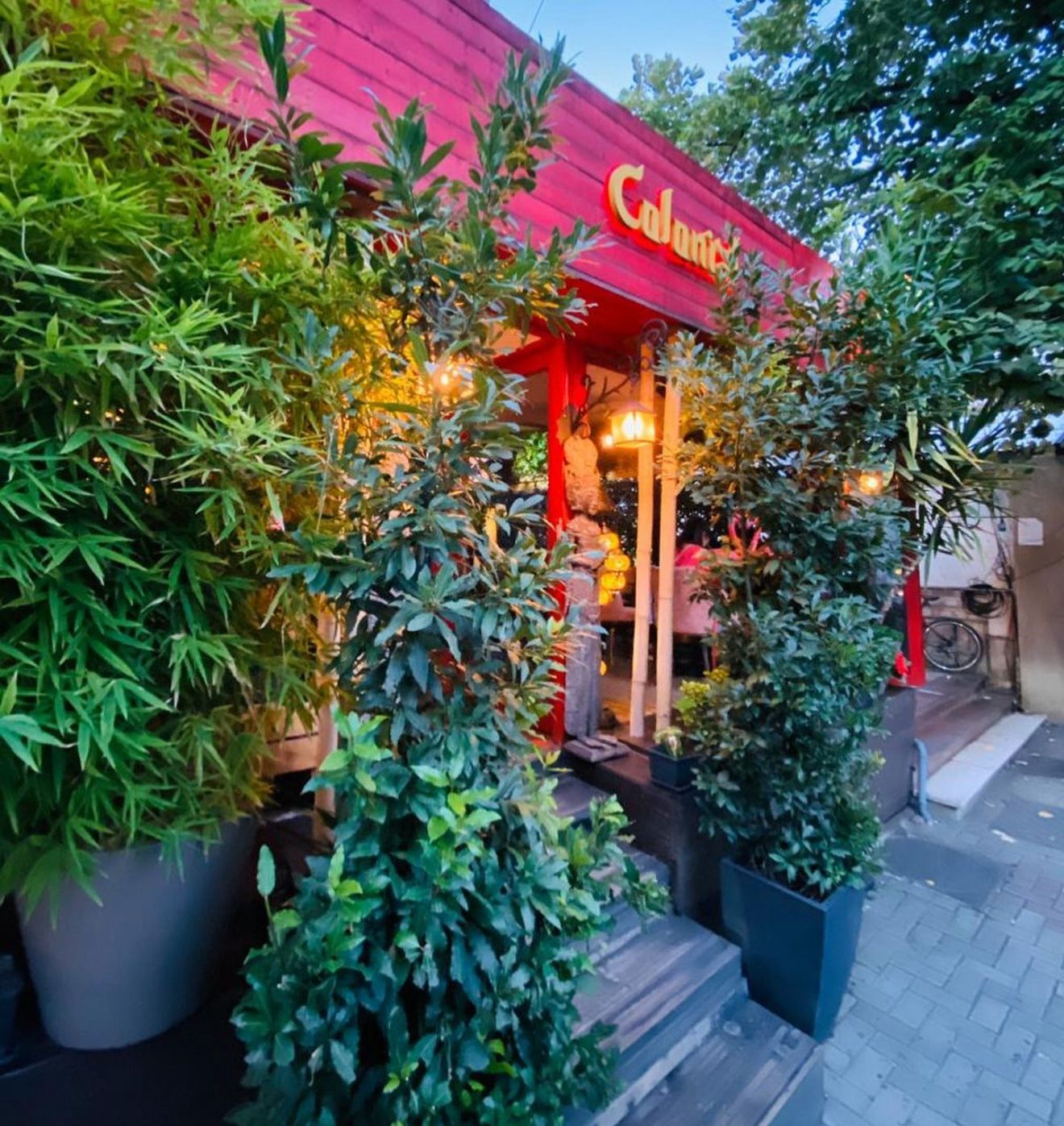
The Main Nightlife Districts in Tirana (Where Everything Happens)
If you try to plan your night in Tirana by picking one venue, you’ll miss the point.
Everything here is built around areas, not individual places. Once you understand where to go, the rest of the night tends to figure itself out naturally.
Blloku – The Heart of Modern Nightlife Blloku district
On weekends, the density here is so high that entire streets essentially become pedestrian nightlife zones, with people spilling from bar to bar without needing to check maps or plan anything in advance.
If Tirana nightlife has a central hub, it’s Blloku.
This is where locals, expats, and travelers all converge, filling streets lined with bars, cocktail lounges, and clubs packed closely together. Areas around Rruga Ibrahim Rugova and the surrounding side streets are especially busy, with venues shifting quickly from relaxed terraces to louder, late-night spots.
What makes Blloku stand out is how easy it is to move around on foot. Everything is within a few minutes’ walk, so the night naturally spreads across multiple places without needing transport or planning.
The crowd here is stylish but approachable. You’ll see groups of young professionals, people dressed up for the night, and a mix of locals and visitors blending together without much separation. Some venues lean more high-energy with louder music and packed interiors, while others stay more laid-back, with outdoor seating and space to talk.
If it’s your first night in Tirana, this is where you’ll likely end up, and where you’ll get the clearest sense of how the city’s nightlife actually feels.
If you’re deciding where to base yourself, staying near Blloku makes everything walkable (I break this down in Quiet & Central Stays in Tirana for Couples – COMMING SOON).
City Center – Mixed Energy & Easy First Night Out
Just outside Blloku, the city centre offers a noticeably calmer side of Tirana nightlife. This area is built around hotel bars, relaxed terraces, and rooftop spots where you can actually hear your conversation without leaning in over the noise. It also works well as a soft landing spot before the night shifts into something busier in Blloku later on.
On my first evening in Tirana, I ended up starting here almost by accident, but it made the night easier to ease into. You can grab a drink, get your bearings, and watch the city warm up without diving straight into the busiest streets.
This area is especially useful for first-time visitors who want to understand the city before committing to the more intense Blloku energy later in the night.
Emerging Areas – Underground & Local Nightlife Spots
If you stay in Blloku every night, you’ll see the polished version of Tirana.
Unlike Blloku, where venues feel tightly packed and highly visible, these areas tend to reward curiosity; many of the best spots aren’t obvious from the street unless you’re actively walking and exploring.
Step a little further out, though, and the city starts to feel different.
These emerging areas don’t have the same density of venues, but that’s exactly the appeal. Bars are smaller, crowds are more local, and the atmosphere feels less curated. You’re not here for perfect lighting or presentation, you’re here for the experience.
Music becomes more important in these spots. You’ll find everything from electronic sets to alternative playlists, depending on the night, and the crowd tends to stick around longer rather than constantly moving.
It’s not always obvious where to go, and that’s part of it. Some of the best nights happen when you follow a recommendation or just walk into a place that looks interesting from the outside.
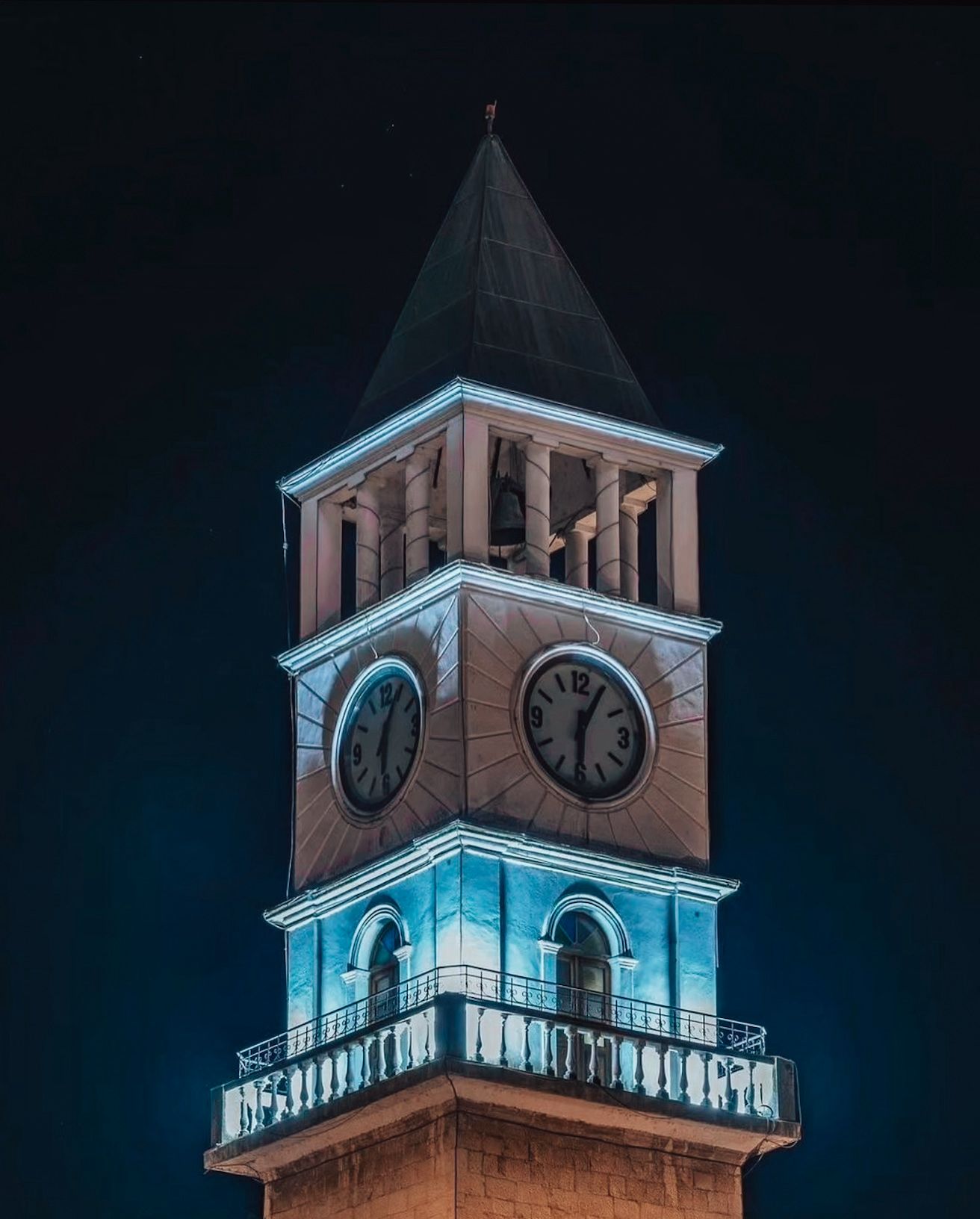
Cocktail Bars in Tirana – The City’s Creative Drinking Scene
irana’s nightlife goes well beyond clubs, and the city’s cocktail scene has become one of its most notable developments.
Not long ago, craft cocktails weren’t part of the city’s identity. Today, they’ve become a clear marker of how the drinking culture has evolved, drawing attention from both visitors and locals.
What makes it stand out is the way bartenders are working with modern mixology techniques while incorporating local ingredients like Albanian herbs, fruits, and spirits. Instead of simply replicating international styles, drinks often reflect what’s available and familiar in the region, reworked through a contemporary lens.
You’ll notice this most in places like Nouvelle Vague and other high-end cocktail bars in Blloku, where drinks are treated almost like a craft experience rather than just a night out activity.
On weekends especially, it’s common to see bars reaching full capacity while still maintaining a very slow, deliberate service pace, which reinforces the “experience over volume” approach.
If you’re planning a full night out, pairing cocktails with a good dinner spot makes a big difference (I’ve listed my favorites in Best Restaurants in Tirana).
High-End Mixology & Award-Winning Bars
At the top end, Tirana’s cocktail scene is genuinely impressive.
What stood out on multiple visits was how consistent the quality is across different venues, even smaller cocktail bars often apply techniques you’d expect in larger European capitals.
Bars like Colonial Cocktails Academy Tirana have helped push the city onto the international map, showing that Albanian nightlife can compete with much bigger destinations. But what stands out isn’t just recognition, it’s the level of detail.
Drinks here aren’t rushed. You’ll see techniques like clarified cocktails, house-made infusions, and ingredients that pull from local herbs and flavors rather than just standard imports.
The experience feels intentional, somewhere between a bar and a creative space, but still approachable enough that you don’t feel out of place walking in.
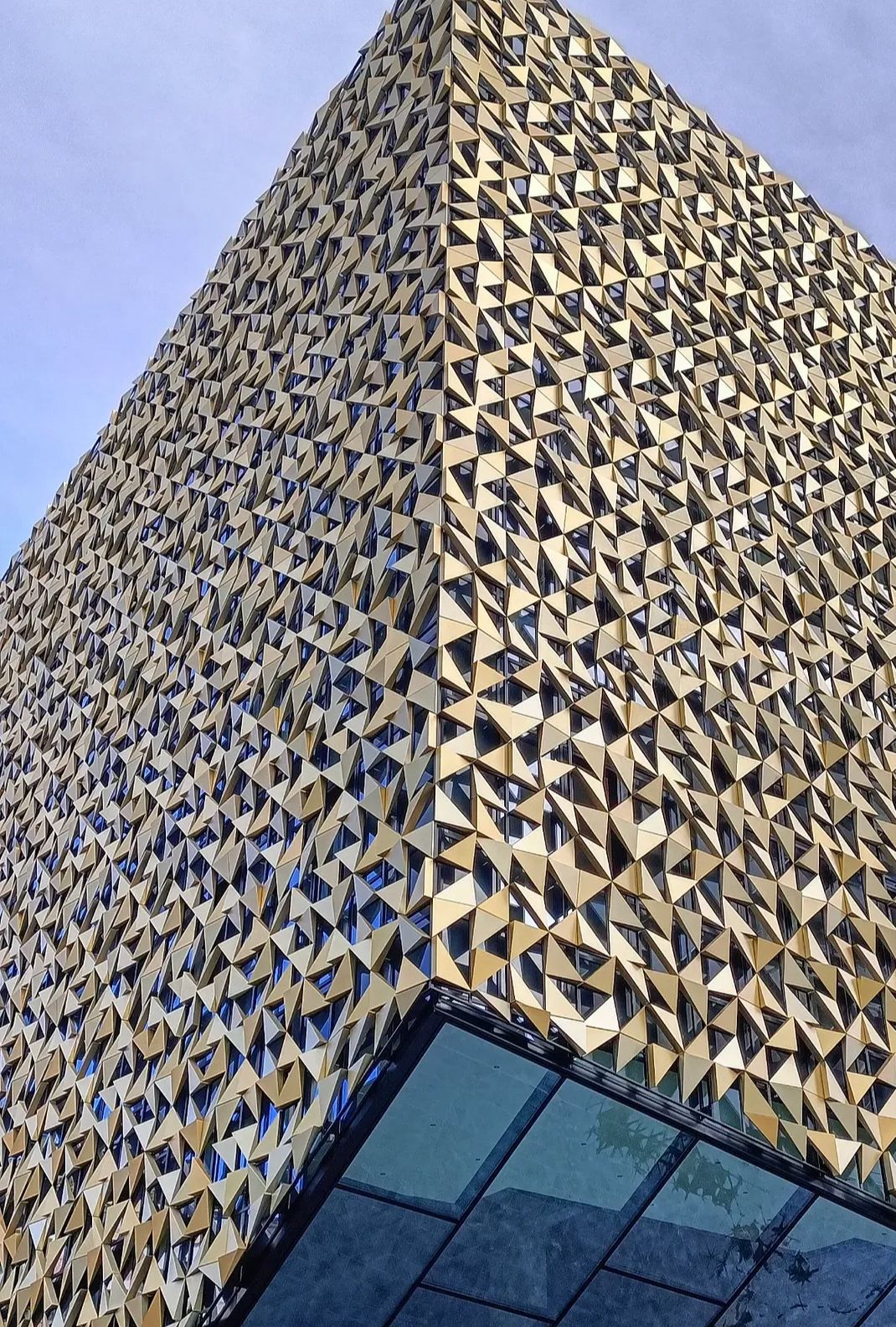
Stylish Social Bars for Starting the Night
Before things get busy, Tirana leans into a very social kind of drinking culture.
These places often act as the “decision point” of the night, where groups form, and plans shift naturally depending on energy rather than any fixed itinerary.
These are the places people meet first, not necessarily to stay all night, but to ease into it. The music is there, but it’s not overpowering. The lighting is warm. Conversations are still the focus.
I’ve noticed that this part of the night matters more here than in a lot of other cities. It’s where groups form, plans (loosely) take shape, and the energy builds before everyone eventually moves on.
You’re not committing to a night yet; you’re setting it up.
Hidden Local Bars with Character
Then there are the places you don’t plan for.
These are often the places where you’ll notice fewer tourists and more groups of locals who already know each other, which changes the energy from exploratory to familiar and social.
Smaller bars, slightly rough around the edges, where the focus shifts away from presentation and toward atmosphere. These spots tend to attract a more local crowd, and you can feel the difference almost immediately.
Music plays a bigger role here, sometimes curated, sometimes unpredictable, and people tend to stay longer rather than hopping between venues. It feels less like a stop on a route and more like a place you end up settling into.
Some of my best nights in Tirana have happened in places like this, where nothing was planned, and everything just clicked.
Clubs in Tirana – Where the Night Actually Peaks
Clubbing in Tirana doesn’t revolve around massive venues or internationally known DJs.
Compared to Western European club culture, there’s less emphasis on “arriving at a peak moment” and more on gradually building into it from earlier in the night.
One pattern that repeats across different nights is that clubs here feel more like extensions of bar culture rather than separate nightlife institutions.
Instead, nights build gradually. Things usually don’t really get going until around midnight, with the busiest point often landing after 1 AM. By that stage, early bar-hoppers have already filtered into fewer key spots, and the energy becomes noticeably more concentrated.
One of the most distinctive things is how people use the space itself. It’s common to see groups dancing around tables rather than in front of a stage, with people moving fluidly between circles instead of staying in one fixed spot near a DJ booth.
On both nights I went out after midnight, the peak energy consistently hit closer to 1:30 AM rather than midnight, which is noticeably later than cities like Belgrade or Athens.
If you’re only in the city briefly, fitting this into a short stay takes a bit of planning (I mapped this out in 48 Hours in Albania: Tirana & Day Trip Itinerary – COMMING SOON).
Mainstream Dance Clubs
This is where the majority of the crowd ends up, especially on weekends.
Most venues I visited didn’t really peak until well after midnight, which shifts the entire rhythm of the night compared to cities where clubs start earlier.
Music is high-energy and familiar, a mix of international hits, remixes, and Albanian tracks that everyone seems to know. These places get packed quickly, and once they do, the energy doesn’t drop.
What I noticed here is how naturally locals and tourists mix. It doesn’t feel segmented, everyone is there for the same reason, and that shared vibe makes it easy to settle in even if it’s your first night out.
Don’t expect huge dance floors, though. Space is tighter, and a lot of the dancing happens around tables or in small groups, which actually makes the whole experience feel more social and less anonymous.
Underground Electronic & DJ Venues
If you’re looking for something a bit less mainstream, Tirana has a growing underground scene that’s easy to miss if you don’t know where to look.
These venues lean into house, techno, and more alternative sounds, often bringing in DJs or hosting themed nights that attract a more niche crowd. The energy here is different, less about being seen, more about the music itself.
People tend to arrive later and stay longer. There’s less movement between places, and more of a “this is where we are for the night” mindset.
I’ve found these spots to be some of the most memorable, especially if you’re into electronic music. They feel a bit removed from the main nightlife flow, in a good way.
Upscale Club Experiences
At the other end of the spectrum, Tirana also has clubs that lean more toward a polished, upscale atmosphere.
Here, presentation matters more. Dress codes are stricter, tables are central to the experience, and the layout often encourages groups to stay within their space rather than moving freely around the room.
Bottle service plays a bigger role, and the night can feel more curated, less spontaneous than other parts of the city’s nightlife. That said, it still doesn’t reach the level of exclusivity you might expect in bigger European cities.
It’s a different kind of night: more controlled, more stylized, but still very much part of Tirana’s overall scene.
Live Music, Rooftops & Alternative Night Experiences
If you only focus on bars and clubs, you’re missing a big part of what Tirana offers at night.
What makes this scene interesting is how unannounced it often feels; live sets are rarely the main reason people come in, but they often become the highlight of the night.
Some of the best experiences here happen outside the typical party structure, in places where the focus shifts from drinking to atmosphere, music, or even culture.
Live Music Venues
Live music is woven into the city more casually than you might expect.
You’ll find small venues hosting Albanian bands, acoustic sets, or cover nights that blend international songs with local influences. There’s also a subtle jazz presence in some spots, especially earlier in the evening.
What I liked about these places is how unforced they feel. You’re not attending a “big event”, you just happen to walk into a bar, and suddenly, there’s a live set happening in the background that slowly becomes the focus of the night.
It’s a more relaxed alternative, especially if you’re not in the mood for crowded dance floors.

Rooftop Bars & Skyline Views
Rooftop spots really come alive during the warmer months. These months, especially, rooftops often serve as the unofficial “starting point” of the night before people transition down into Blloku later on.
There’s something about Tirana at sunset, the light softens, the city cools down, and people start heading upward rather than inward. These places often bridge the gap between day and night, starting as laid-back evening hangouts and gradually turning more social as it gets darker.
I’ve found rooftops to be one of the easiest ways to ease into the nightlife here. You don’t need a plan, and you don’t need to commit to a full night out; you can just sit, have a drink, and let the evening build naturally.
By the time you leave, you’re already part of the flow.
Rooftops are also a great way to start a slower evening before heading out or even before a day trip the next morning (see Day Trips from Tirana).
Cultural Night Events & Themed Shows
Tirana also offers something that a lot of nightlife guides skip entirely, cultural experiences that happen at night but still feel social and engaging.
These can include folk-inspired performances, music and dance shows, or modern reinterpretations of Albanian traditions designed for visitors. They often start earlier in the evening, which makes them easy to combine with a more typical night out afterward.
What makes these worth considering isn’t just the performance itself, but the contrast they add to your night. You go from something structured and cultural straight into the unpredictability of Tirana nightlife, and that transition makes both experiences stand out more.
A Typical Night Out in Tirana (Step-by-Step Experience)
The best way to understand Tirana nightlife isn’t by listing places, it’s by following how a night actually unfolds. This breakdown is based on observing multiple weekends in the city, where the same pattern consistently repeated across different groups and venues.
Because here’s the thing: almost no one sticks to a plan.
If Tirana is just one stop in your trip, how you structure your nights depends a lot on your overall itinerary (I go deeper into this in Perfect 5-Day Albania Itinerary).
19:00-21:00: Early Drinks in Blloku
Evenings in Tirana start slow, intentionally.
One of the most consistent patterns is how unplanned this phase is; people rarely decide the next stop in advance, it’s almost always reactive to the atmosphere and crowd energy.
Around 7 or 8 PM, people begin gathering in the Blloku district, usually at relaxed bars or terraces where the focus is still on conversation. Nothing feels rushed yet. Music is there, but it stays in the background.
This is the part of the night where you ease in.
I remember sitting outside with a drink, watching the streets gradually fill up. At first, it feels quiet, almost like nothing is happening, and then, without really noticing when it changed, every table is full, and people are standing outside with drinks in hand.
No one’s thinking about clubs yet.
21:00-23:00: The Bar-Hopping Phase
This is where Tirana starts to feel alive.
Instead of staying in one place, people begin moving, not in a rushed way, but naturally. You finish a drink, step outside, hear better music somewhere else, and decide to walk over.
And because everything is so close, it’s effortless.
One thing I noticed quickly is how little discussion goes into these decisions. No one’s pulling up maps or comparing reviews. Someone just says, “Let’s check this place,” and you go.
You might end up in three or four different bars without ever planning it.
The streets themselves become part of the experience too, groups walking, stopping, running into friends, joining other groups. It feels less like separate venues and more like one continuous social space.
After 23:00: Clubs & Peak Nightlife Energy
Sometime after 11 PM, the shift happens.
Bars get more crowded, music gets louder, and people start funneling into clubs, or into bars that slowly turn into club-like spaces. By midnight, the energy is completely different from earlier in the evening.
This is when Tirana nightlife peaks.
What stands out is how connected everything still feels. Even inside clubs, people are moving between tables, talking, dancing in small groups, it never feels isolated.
And again, there’s no rigid structure.
You might leave a club after an hour because someone suggests another one. Or you stay longer than expected because the music suddenly hits right. The night adjusts itself as you go.
02:00: Late-Night Food & Street Culture
Late night in Tirana doesn’t end when the music stops.
Around 2 AM and later, the energy spills back into the streets. People leave venues but don’t go home right away; they gather outside, look for food, or just keep talking like the night isn’t quite finished.
This part surprised me the most.
There’s something really social about it, groups, sitting, eating, laughing, replaying the night. It feels like a natural wind-down rather than a sudden end.
And if you’re not ready to stop, you’ll usually find somewhere still open.
The biggest takeaway?
A night out in Tirana is shaped more by movement and timing than by any fixed itinerary.
Costs, Dress Code & Practical Tips for Nightlife in Tirana
Once you understand how the night works, the next question is simple:
What should you actually expect when you go out?
Compared to Western Europe, the flexibility here is one of the biggest advantages; you can comfortably shift between budget-friendly and upscale venues on the same night without changing areas.
Prices: What You’ll Pay for Drinks
Compared to most European capitals, Tirana is still relatively affordable, but prices vary depending on where you go.
- Cocktails: typically mid-range, higher in upscale bars
- Beer: generally cheap and widely available
- Premium venues: noticeably more expensive, especially for crafted drinks
What I found is that you can easily adjust your night depending on your budget. Start in a more affordable bar, then move somewhere more refined later, which fits naturally with how people already go out here.
If you’re trying to understand how this fits into your overall travel budget, I break down the real costs in Is Albania a Cheap Country? and even what everyday spending looks like in Supermarket Prices in Albania.
Cash vs Card: What You Actually Need
This is something a lot of people underestimate.
While some places accept cards, cash is still very common, especially in smaller bars or late-night spots. You don’t want to be the person realizing this at 1 AM.
A simple rule that worked for me:
- Bring enough cash for the night
- Use the card when it’s available, but don’t rely on it
It removes a lot of friction from the experience.
If you’re unsure how much cash to carry or when you’ll actually need it, I go into more detail in Do You Need Lek in Albania? A Complete Guide to Cash & Cards.
Dress Code: What to Wear in Tirana at Night
Tirana sits somewhere in the middle when it comes to dress codes.
- Bars & casual spots: relaxed, no strict expectations
- Mainstream clubs: smart casual, people make an effort
- Upscale venues: more polished, sometimes stricter entry standards
What stood out is that locals do tend to dress well, even for a casual night out. You won’t feel out of place if you put in a bit of effort, but you also don’t need to overthink it.
Entry Fees & Reservations
Most bars don’t have entry fees, which makes moving between places easy.
Clubs can vary:
- Some have no entry fee, especially earlier in the night
- Others charge depending on the event or time
- Upscale clubs may encourage table reservations, especially on weekends
If you’re going somewhere specific and it’s popular, it’s worth planning ahead, otherwise, spontaneity usually works in your favor.
Safety & Getting Around at Night
Tirana is generally considered a safe city for nightlife.
Most popular areas, especially around Blloku district, are walkable and busy late into the night, which adds to the sense of safety.
A few practical things:
- Walking between venues is normal and often the best option
- Streets stay active late, especially on weekends
- Like anywhere, basic awareness goes a long way
I’ve found that the biggest “risk” isn’t safety, it’s losing track of time because everything flows so easily. Tirana is generally considered a safe city for nightlife, especially in busy areas like Blloku, where streets stay active late into the night.
If you want a deeper breakdown of safety across the country, including common concerns and what to actually watch for, I’ve covered it in Is Albania Safe to Visit?. And if you’re traveling solo, especially as a woman, I also shared my personal experience in Is Albania Safe for Solo Female Travelers?.
If you’re planning to move around more during your trip, not just at night, I explain exactly how transport works in How to Get Around in Albania Without the Stress or Confusion.
Common Mistakes Tourists Make in Tirana Nightlife
Tirana is easy to enjoy, but it’s also easy to get it wrong if you treat it like other European nightlife cities.
Most of these mistakes come from treating Tirana like a structured nightlife city, when in reality it behaves much more like a fluid social system.
Staying in One Bar All Night
This is probably the biggest mistake. You miss how much the night shifts when you don’t move between places.
Arriving Too Early at Clubs
Showing up around 10 PM will feel off. Clubs typically don’t pick up until after midnight, with peak energy closer to 1 AM.
Not Bringing Cash
Some venues still don’t reliably take cards, especially smaller bars or late-night spots.
Over-Planning the Night
Trying to lock in every stop in advance doesn’t really work here. The night tends to unfold on its own.
Only Staying in Tourist-Heavy Areas
Areas like Blloku are popular for a reason, but sticking only to their limits limits what you’ll see of the city.
Is Tirana Nightlife Worth It?
If you’re looking for a night that feels social and easy to move through, it’s a strong fit.
The most successful nights tend to happen when you treat the city as a sequence of zones rather than individual venues, allowing the energy of each area to dictate where you go next.
It tends to suit travelers who prefer:
• meeting people without much effort
• moving between venues instead of staying in one place
• nights that unfold organically rather than following a strict plan
The best way to experience it is to treat the night like a route rather than a single destination—starting in one area, then letting the energy guide where you end up as things pick up later on.
Plan Your Night the Right Way
If there’s one thing to take from this guide, it’s this:
Don’t plan your night around a single place.
Instead, think in terms of a route.
Start somewhere relaxed, move toward busier spots, and leave space for the unexpected. Pick an area like the Blloku district as your base, then let the night evolve from there.
One thing most visitors misunderstand about Tirana nightlife is that it isn’t just about moving between venues; it’s about how the entire city block becomes a single social environment after 11 PM.
Unlike other Balkan cities where nightlife is concentrated in specific clubs or strips, in Blloku the boundaries between venues almost disappear once the night peaks.
Some of the best experiences in Tirana happen when you stop trying to control the night and just follow it.
And if you want to go deeper, the next step is simple:
explore specific areas, try different styles of venues, and build your own version of what a great night here looks like. Because in Tirana, no two nights are ever exactly the same.
Plan the Rest of Your Tirana Trip
- Tirana Travel Guide – Things to Do in Tirana
- Where to Stay in Tirana – Comming soon
- Best Restaurants in Tirana
- Day Trips from Tirana