I grew up hearing about Albania’s wild beauty, the beaches, the mountains, the famously warm hospitality.
But I never truly saw it through the eyes of a traveler… until I began backpacking my own country, camera in hand.
That’s when I realized something:
Albania isn’t just underrated, it’s a backpacker’s dream hiding in plain sight.
I still remember the first time I backpacked my own country, just 18, crossing mountain trails I’d only heard about in stories.
One day, you’re hiking alpine peaks that rival Switzerland.
The next, you’re swimming in turquoise water that looks like the Caribbean.
You sip homemade rakia in Ottoman towns.
You catch rides in furgons with no schedules.
You’re welcomed by strangers who instantly feel like old friends.Backpacking Albania feels like Europe before it got polished, raw, real, and full of soul.
In this guide, I’ll help you plan your own Albania backpacking trip, whether you’ve got 5 days or a full month.
You’ll find:
- Practical itineraries
- Budget tips
- Safety advice
- Real insights from someone who’s explored Albania the slow, local way
So grab your pack, and get ready to discover a side of Europe most travelers still don’t know exists.
This post contains affiliate links, which means I may earn a commission if you book through them, at no extra cost to you. I only recommend tours I trust or would take myself.
In a rush? Here’s your 10-second route:
Start in Tirana → Hike the Albanian Alps → Chill on the Riviera → Add hidden gems like Berat, Gjirokastër, or Korçë.
(Then dive into the full guide below for maps, itineraries, and real tips.)

Who This Guide Is For, and How to Use It
This isn’t just another backpacking guide written by someone who passed through once, I’m Albanian, and after years of traveling and living abroad, I’ve returned home to explore my own country with a traveler’s eyes.
If you’re curious about Albania, the kind of place that still feels wild, welcoming, and refreshingly affordable, this guide is for you.
Whether you’re:
- Backpacking Albania for the first time and want a local’s insight,
- Traveling solo and hoping to connect with people beyond the tourist spots,
- On a budget but still want comfort, culture, and good coffee, or
- An adventure seeker chasing beaches, bunkers, and mountain trails, you’ll find everything you need here.
I’ve designed this guide to work for any trip length, from 5 days to 2 weeks or more, with tips on how to move around, where to stay, and what to skip. It blends real local knowledge with practical backpacker details: transport, budgets, itineraries, and hidden gems most guides miss.
Use it as your starting point to plan your own Albania adventure, or to finally understand why those who visit always say, “I can’t believe more people don’t come here.”
Albania at a Glance
Albania may be small on the map, but it packs more contrasts than countries twice its size. Within a few hours, you can drive from jagged mountain peaks to turquoise coastlines, pass Ottoman towns that look frozen in time, and end your day sipping espresso by the Adriatic.
Geography & Regions
Think of Albania in four parts:
- The North, home to the Albanian Alps, rugged hikes, and remote villages like Theth and Valbonë.
- Central Albania, Tirana’s urban buzz, Shkodër’s lakeside charm, and Berat’s hilltop heritage.
- The Riviera (Southwest), turquoise beaches, winding mountain roads, and coastal towns like Dhërmi, Himara, and Sarandë.
- The Southeast, the cultural corners of Gjirokastër and Korçë, and the peaceful shores of Lake Ohrid.
→Read more: How Many Days Do You Need in Albania? Itinerary Tips by Region
Culture & Language
Albania’s soul lies in its mix of old and new, from ancient Illyrian roots to Ottoman influence and Mediterranean rhythm.
Hospitality is deep in our DNA: if you smile at someone on a bus, there’s a good chance you’ll be invited for coffee.
While English is now widely spoken in Tirana and tourist areas, rural regions still rely on hand gestures and warmth.
Read more: Can You Get Around Albania in English? What Travelers Should Know
Safety & Travel Confidence
Albania is one of Europe’s safest destinations for travelers, especially solo backpackers.
You’ll find locals eager to help, even in small towns where tourism is still new.
Just take normal precautions with valuables and avoid night driving in the mountains.
Read more: Is Albania Safe to Travel Now?
Safety Comparison: Albania vs Neighboring Balkan Countries
| Country | Perceived Safety (Traveler Expectation) | Actual Safety (Based on Recent Data & Local Insight) | Notes for Solo Travelers |
| 🇦🇱 Albania | Moderate – often underrated | High – one of the safest in Europe; very low violent crime, locals protective of tourists | Ideal for solo travelers; petty theft rare outside busy areas |
| 🇲🇪 Montenegro | High | High – safe, though petty theft in touristy spots like Kotor and Budva | Good infrastructure; well-marked coastal routes |
| 🇲🇰 North Macedonia | Moderate | High – calm atmosphere, friendly locals, low crime rate | Great for cultural travelers and solo backpackers |
| 🇽🇰 Kosovo | Mixed – some still recall past conflicts | High – very safe today; locals extremely hospitable | Excellent for solo travelers; rural buses reliable |
| 🇷🇸 Serbia | Moderate | Moderate–High – safe in cities, minor scams at stations | Solo women should use registered taxis, avoid political protests |
| 🇬🇷 Greece | High | High – excellent tourism safety record | Tourist scams and pickpocketing slightly more common in Athens |
| 🇧🇦 Bosnia & Herzegovina | Moderate | Moderate–High – safe, though infrastructure less developed in rural areas | Warm hospitality; check local info for remote hiking trails |
When to Go?
Spring and autumn are the sweet spots, warm enough for the beaches, cool enough for hikes, and far less crowded than July or August.
Summer brings festivals, nightlife, and long days by the sea, while winter opens up snowy trails in the north.
Read more: Best Time to Visit Albania: Weather, Seasons & Events
Local tip: Albania is still developing its tourism infrastructure, which means it’s the perfect time to explore before the crowds come. Prices are fair, people are welcoming, and the landscapes feel untouched.
Getting There & Getting Around
Albania backpacking starts easier than most first-timers expect, you can fly, ferry, or even bus in from several neighboring countries. Once here, transport is cheap and flexible, especially if you know a few local tricks.
- Arriving by Air: Most travelers fly into Tirana International Airport (TIA), though new airports in Kukës and Vlora are expanding options each year.
Read more: How to Get to Albania: Flights, Ferries & Borders Explained - By Ferry: Regular ferries connect Italy (Bari, Ancona) with Durrës, and Greece (Corfu) with Sarandë, a great shortcut to the Riviera.
- Getting Around: Albania’s local buses and furgonë (shared minibuses) reach almost every town, while car rental gives you full flexibility for the coast and mountains.
Read more: How to Get Around in Albania: Car Rentals, Buses & Furgons - Driving Yourself: Roads have improved dramatically, but you’ll still need confidence in mountain passes and villages. Renting a car is affordable and ideal for Riviera or loop itineraries.
Sample Itineraries (Flexible Templates)
Backpacking Albania can be as fast-paced or slow and immersive as you want, the beauty of the country is that it adapts to your rhythm. Below you’ll find flexible itinerary templates to help you visualize your trip, whether you’ve got a long weekend or a few weeks to spare.
5-Day Rapid Highlights
Short on time but want a taste of everything, mountains, coast, and culture?
This quick route covers Tirana, Berat, and the Riviera with minimal travel time.
Read the full plan: Perfect 5-Day Albania Itinerary for First-Time Visitors
Or try a weekend spin-off: Weekend Getaways in Albania: 3 Perfect Itineraries
10-Day Balanced Itinerary
Ideal for travelers who want to combine the north’s mountain trails with the south’s beaches.
Expect a mix of cultural towns, scenic drives, and slow coastal evenings.
Follow the detailed route: The Ultimate Albania Itinerary: 3, 5, 7 & 10 Days
Prefer driving? Check out: 10-Day Albania Road Trip: Complete Map & Route
One Week in the Riviera
For beach lovers, the Riviera is paradise, turquoise water, dramatic cliffs, and a string of small towns where every café feels like a local secret.
Explore it day by day: One Week in the Albanian Riviera: Beaches & Hidden Gems
3-Week Full Adventure
If you’ve got time, this is where Albania truly unfolds, from the Alps in the north to the Riviera in the south, plus UNESCO towns, hidden lakes, and ferry crossings that double as sightseeing.
Combine the 10-day route with extra days in Theth, Valbonë, and Korçë for a full backpacking loop.
The Backpacker’s Slow-Pace Route
Not in a rush? Stretch your trip to 2–4 weeks and linger where it feels right, hike longer in the Alps, stay extra nights in Berat, or island-hop between Corfu and Ksamil.
This is the version I personally recommend if you want to connect with locals and experience the real rhythm of Albania.
How to Use These Itineraries
- Combine short and long routes depending on your flight arrival and departure points.
- Mix a cultural north start with a coastal south finish, it’s the most popular route for first-timers.
- Use my detailed posts for maps, estimated costs, and accommodation links, this guide is your overview.
Highlights & Key Regions
Every part of Albania feels like a different country, mountain peaks in the north, UNESCO towns in the center, turquoise coastlines in the south.
Here’s how to decide where to go, what makes each region special, and how you can experience them.
Northern Albania / The Alps
Top spots: Theth • Valbonë • Komani Lake ferry
This is Albania’s wild heart, where winding trails connect mountain villages and waterfalls tumble into emerald rivers. Hiking in Albania’s Alps is one of the most rewarding experiences in the Balkans, especially the iconic trail from Valbonë to Theth, a rite of passage for backpackers. The Komani ferry that links the two valleys is often called one of the most beautiful boat rides in Europe.
I still remember standing on deck, watching tiny stone houses clinging to the cliffs as the sun hit the turquoise water; it felt like traveling through a secret fjord.
Central Albania & Inland Towns
Top spots: Tirana • Berat • Gjirokastër • Përmet
The center of the country is where Albania’s contrasts really show.
You’ll find Ottoman-era towns, hip cafes, and mountain villages all within a few hours of each other.
- Berat, the “City of a Thousand Windows,” is one of my favorites, whitewashed houses stacked on a hillside, with evening lights reflecting off the Osum River.
- Gjirokastër, another UNESCO site, feels like a living museum with cobblestone alleys and fortress views.
- Përmet is the perfect offbeat stop, known for its thermal springs, slow rhythm, and famous raki (don’t leave without trying the local plum version).
The Albanian Riviera & Coast
Top spots: Dhërmi • Himarë • Jala • Gjipe • Ksamil
The Riviera is where Albania’s backpacking magic really kicks in, a string of small coastal towns connected by winding mountain roads and hidden coves. Following an Albanian Riviera backpacking route lets you experience it all, from lazy beach mornings to lively village nights.
Dhërmi and Himarë are lively but laid-back, great for sunset beers and cheap seafood grills.
Jalë attracts a younger crowd with beach bars and kayaking.
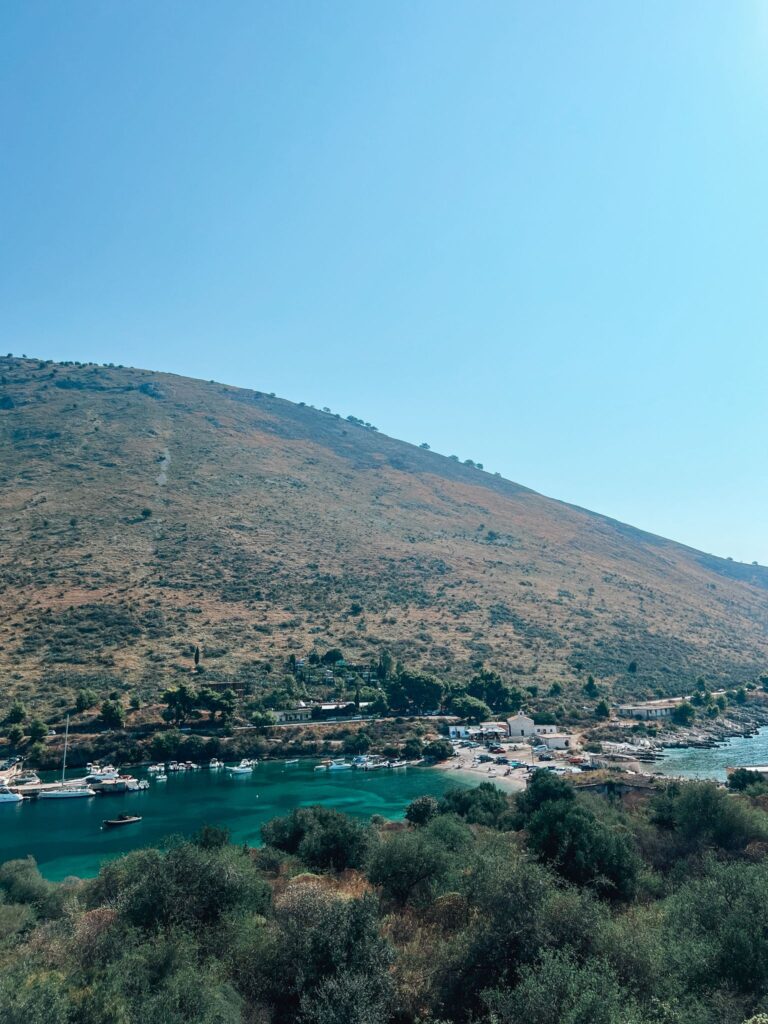
Gjipe Beach, tucked between red cliffs, is a short off-road hike that rewards you with pure quiet and crystal water.
And of course, Ksamil, yes, it’s busy in summer, but its turquoise coves really do look like the photos.
Offbeat Gems & Natural Escapes
Top spots: Borsh • Bogovë Waterfall • Vjosa River • Korçë
If you’re chasing something quieter, Albania has plenty of offbeat corners that most travelers miss.
Borsh has one of the longest beaches in the country, yet it stays calm even in high season.
Bogovë Waterfall, hidden near Berat, is a short hike to a cold, clear plunge pool that feels like your own private spa.
Further east, Korçë has a charming old bazaar and feels worlds away from the coast.
Culture, History & Local Life
Albania’s story is layered, from ancient castles to Cold War bunkers and modern-day festivals celebrating everything from jazz to mountain herbs.
- Visit Krujë Castle to learn about Skanderbeg, Albania’s national hero.
- Explore Bunk’Art 1 and Bunk’Art 2 in Tirana to see how Cold War paranoia shaped the country.
- Plan around local festivals like Kala (Dhërmi) or Jazz in Tirana, they blend local culture with a modern creative pulse.
Read more: 26 Things to Know Before Visiting Albania (That Most Guides Skip)
Insider tip: Albania’s magic is in its mix, you don’t have to choose between coast or mountains. The best trips blend both, so you see how dramatically the landscapes and lifestyles shift within just a few hours of travel.
Costs, Budgeting & What to Expect Price-Wise
One of the biggest questions your readers will have is: “Is Albania really cheap?” The short answer: yes, especially compared to Western Europe, but with caveats. Budget travel in Albania is absolutely doable, but knowing where your money goes makes all the difference. Let’s break it down.
Daily Budget Ranges (2025 Estimates)
| Travel Style | Daily Budget | What You Get |
| Backpacker / Shoestring | ~1,800 – 3,000 ALL (≈ €15 – 25) | Dorm beds or basic guesthouses, local food, public transport, free hikes |
| Mid-range / Comfortable | ~4,500 – 8,000 ALL (≈ €40 – 70) | Private rooms or boutique guesthouses, nicer meals |
| Upgraded / Luxury | 10,000 ALL+ (≈ €90+) | High-end hotels, private drivers, special activities & fine dining |
Note: In peak summer, prices can jump 20 – 30% in prime coastal areas or popular spots like Ksamil.
Example Daily Budgets: Riviera vs Alps
| Expense Category | Day in the Albanian Riviera <br>(e.g. Himarë, Ksamil) | Day in the Albanian Alps <br>(e.g. Theth, Valbonë) |
| Accommodation | 4,500 – 7,000 ALL (€40 – 60) – coastal guesthouse or mid-range hotel | 2,000 – 4,000 ALL (€18 – 35) – mountain guesthouse with breakfast |
| Meals | 2,000 – 3,500 ALL (€18 – 30) – seafood, beachfront cafés | 1,000 – 2,000 ALL (€9 – 18) – hearty local meals, mostly home-cooked |
| Transport | 1,000 – 2,500 ALL (€9 – 22) – coastal transfers, local buses | 1,500 – 3,000 ALL (€13 – 26) – 4×4 rides, shared transfers, ferries |
| Activities | 1,000 – 2,500 ALL (€9 – 22) – beach rentals, short boat trip | 500 – 1,500 ALL (€4 – 13) – hiking trail fees or local guide |
| Drinks / Coffee / Extras | 400 – 800 ALL (€3 – 7) – cocktails, beach coffee | 300 – 600 ALL (€2.5 – 5) – mountain coffee, local beer |
| Total Daily Estimate | 9,000 – 15,000 ALL (€80–130) | 5,000 – 9,000 ALL (€45 – 80) |
Major Cost Drivers
Here are the components that will make or break your budget:
- Transport & Transfers
- Long intercity buses / furgonë may cost €5 – 25 depending on distance.
- Private or semi-private transfers are far more, expect €25 – 60+ for multi-hour legs.
- Ferry between Corfu and Sarandë: €20 – 40 one-way in summer (more in peak).
- Lodging / Accommodation
- Dorm beds in hostels or basic guesthouses: ~700 – 1,500 ALL / night.
- Mid-tier guesthouses / boutique B&Bs: ~3,000 – 6,000 ALL.
- Coastal or high-end hotels in peak season: 8,000 – 15,000+ ALL.
- In remote villages or offbeat areas, expect fewer amenities, but also lower cost.
- Food & Drink
- Street food / byrek / local cafés: 200 – 400 ALL per item.
- Casual restaurant meal: 800 – 1,500 ALL.
- Seafood or coastal restaurants: 2,000 ALL+ especially in Riviera hotspots.
- Coffee/drinks: 100 – 300 ALL depending on location.
- Activities & Guides
- Entrance fees (castles, museums): 300 – 1,500 ALL.
- Local hiking guide (1 day): 3,000 – 8,000 ALL depending on region, distance, group size.
- Boat tours (e.g., around Ksamil or coastal islands): 1,500 – 5,000 ALL.
- Multi-day guided treks (e.g. Theth) may run €70 – 150+ per person (transport + guide included).
- Hidden Costs & Fees
- Fuel / car rental extras: If you rent a car, fuel and insurance add up.
- Rural access surcharges: 4×4 taxi rides into remote trails can cost 800 – 2,000 ALL extra.
- Peak season premiums: Some guesthouses or ferry operators add “seasonal surcharges.”
- Unanticipated transfers: If you miss a bus or need a last-minute shuttle, expect inflated rates.
Payment & ATM Tips
- Local currency: Albanian Lek (ALL). While some coastal spots may accept €, you’ll get worse exchange rates.
- Always carry cash when going off the beaten track. ATMs are common in towns but vanish in villages.
- Use ATMs in bigger towns (Tirana, Vlora, Sarandë, Gjirokastër) to withdraw in bulk.
- Avoid frequent small withdrawals (ATM fees + conversion costs).
- Notify your bank that you’ll travel in Albania (some flag “suspicious activity” otherwise).
- Use cards (Visa, Mastercard) in larger hotels / restaurants if they accept them, they’re getting more common.
- Avoid dynamic currency conversion: Pay in ALL if given the option, not your home currency converted by the merchant.
For more details on cash, cards, ATMs, see your post: Albania Travel Money Tips: Cash, Cards & Currency.
What to Pack & Gear Advice
If you worry you’ll forget something important, you’re not alone. Albania’s beauty comes with variety, from icy mountain trails to sunny beaches, so your gear needs to flex. Use this as your reference and your calm “yes, I have it” before you zip your bag.
Packs & Bag Strategy
- Main backpack
Aim for 40–60 L for a 10– to 21-day trip. Big enough to carry clothes, a down jacket, and some extras, but light enough to not beat you up on mountain trails. - Daypack / day bag
~20–25 L is perfect. Bring it for daily hikes, village explorations, and beach days. It should fit snacks, water, camera, light jacket, etc. - Rain cover / waterproof liner
Even if your pack is “water resistant,” a sudden shower up in the north can soak gear quickly. I always keep a lightweight rain cover or liner.
Clothing: Be Ready for Everything
Because Albania transitions quickly from sea to mountain, your clothing should too.
- Layering is key. Pack:
- A lightweight base layer (merino or synthetic)
- A long-sleeve / sun shirt
- A fleece / warm mid-layer
- A light down or synthetic jacket (for higher altitudes or evening chills)
- A dependable rain shell / waterproof jacket
- Bottoms:
- One pair of convertible hiking pants
- One pair of comfortable travel pants or jeans
- Swim trunks / swimsuit (for beach & waterfalls)
- A lightweight skirt or shorts (for hot coastal days)
- Extras:
- Quick-dry underwear / socks
- Hat / buff / sun protection
- Lightweight scarf (useful in mosques, cool evenings)
Hiking, Swim & Adventure Gear
- Hiking shoes / boots
Choose something around mid-height with a good grip. If they’re waterproof, great, but ensure they’re broken in before you arrive. - Sandals / flip-flops
Good for beach days or showers in guesthouses. - Trekking poles (optional but useful in the north)
Especially useful on steep trails or uneven terrain. - Swim gear
Bikini / trunks, a quick-dry towel, snorkel mask (optional), water shoes (for pebble beaches). - Dry sacks / packing cubes
Helps you stay organized and protects your gear from humidity.
Travel Documents, Health & Electronics
- Travel docs (hard copy + digital backup):
Passport + extra passport photo
Travel insurance / policy info
Driver’s license / ID card
Helicopter (if relevant) / ferry / tour booking confirmations - First aid / basics:
Blister kit, band-aids, antiseptic wipes
Painkillers, diarrhea meds, motion sickness pills
Personal prescriptions (with extra)
Insect repellent (especially in rural areas)
Sunscreen & lip balm
Small sewing kit - Electronics:
Phone, charger, power bank
Camera / GoPro + extra memory cards
Headlamp or small flashlight
USB charging cables, spare batteries - Local adaptors / power:
Albania uses Type C / F plugs (230 V, 50 Hz). Bring a universal adapter. - Connectivity (SIM / eSIM)
You already have the deep guide: Staying Connected in Albania: Best SIM Cards & Wi-Fi Tips.
But short version: get a local SIM (or eSIM if your device supports it) for best coverage in rural areas. Many major towns have good coverage; remote mountain zones less so.
Sample Packing Checklist
Here’s a compact version you can transform into a PDF checklist:
- Backpack (40–60 L) + rain cover / liner
- Daypack (~20–25 L)
- Base layer (top)
- Long-sleeve shirt
- Fleece / mid-layer
- Light down / synthetic jacket
- Waterproof shell jacket
- Convertible hiking pants
- Travel pants / casual bottoms
- Swimwear
- Underwear, socks (quick-dry)
- Hat / buff / sun protection
- Hiking shoes / boots
- Sandals / water shoes
- Trekking poles (optional)
- Dry sacks / packing cubes
- Passport + backups
- Travel insurance info
- Driver’s license / ID
- Booking confirmations
- First aid kit / meds
- Insect repellent
- Sunscreen / lip balm
- Phone + charger + power bank
- Camera + memory cards
- Headlamp / flashlight
- Universal adapter (type C/F)
- SIM / eSIM setup
My down jacket saved me when I got caught in a snowstorm in Theth in late May. haha
Commentary & Tips (Not Just a List)
- I always pack my daypack with essentials and keep some cash & passport copy in a hidden travel wallet, just in case the main pack gets delayed or lost.
- At guesthouses in the mountains, power may be intermittent, so charge devices when you can (e.g. in a cafe or host); carry a small power bank to rescue you.
- In rainy seasons (April, September), dry sacks can be your best friend, they keep electronics, documents, and clothes dry when clouds open.
- Swim gear counts even in the mountains: some trail-hidden waterfalls are cold but magical, you’ll regret not bringing a swimsuit.
- If you bring trekking poles, consider ones that fold small (like carbon or collapsible) so they don’t hog your carry-on space.
Safety, Health & Local Customs
Albania is one of those countries that surprises most travelers, it feels adventurous but safe, off-the-beaten-path yet welcoming. Still, knowing a few local basics helps you travel with confidence and respect.
Road Safety & Driving Advice
Roads in Albania have improved a lot in the last decade, but driving still requires focus.
Expect narrow mountain passes, sudden potholes, and drivers who use their horns more than their mirrors.
If you’re renting a car, avoid driving at night outside major towns, lighting is poor and animals sometimes wander onto the road.
Always keep fuel above half when heading to remote areas (stations can be rare in the mountains).
When I first drove the Llogara Pass, a herd of goats appeared around a blind corner, beautiful, but a good reminder that here, the road can surprise you.
Read more: Is Albania Safe to Travel Now?
Health, Food & Water
You don’t need to worry about exotic diseases, Albania is generally very safe health-wise.
Tap water is safe in some cities but varies regionally; stick to bottled water when unsure.
Fresh produce and home-cooked meals are the norm; street food is usually safe (and delicious, especially byrek!).
Pack a small first-aid kit and basic meds for headaches, stomach upsets, or blisters if you plan to hike.
Pharmacies (farmaci) are common even in smaller towns.
Local Etiquette & Customs
Albanians are known for their warmth and directness, it’s common for strangers to offer help, coffee, or even a meal.
But we also have quiet social norms that travelers appreciate once they know them.
- A simple “Faleminderit” (thank you) goes a long way.
- Shoes off when entering someone’s home unless told otherwise.
- Don’t bring up old politics or religion unless the other person starts it, most people are proud of tolerance and prefer positive topics.
- Tipping: not mandatory, but rounding up or leaving 5 – 10% is appreciated in restaurants and by drivers/guides.
- Dress modestly when visiting churches, mosques, or rural villages.
Dealing with Remote Areas
The beauty of Albania is how wild and untamed some places still are, but that also means infrastructure can be limited.
In the Albanian Alps, there may be no cell signal, rough roads, and cash-only guesthouses. Plan ahead: download offline maps, carry extra water, and tell someone your route if you hike solo.
Locals will almost always help if you’re lost or stuck, hospitality here is legendary, but communication can be easier if you know a few key words.
Basic Albanian Phrases
A few simple phrases make a big difference:
| English | Albanian | Pronunciation |
| Hello | Përshëndetje | per-shen-de-tye |
| Thank you | Faleminderit | fa-le-min-DE-rit |
| Please | Ju lutem | yoo LOO-tem |
| Yes / No | Po / Jo | poh / yo |
| How much is it? | Sa kushton? | sah kush-TON |
| Good morning | Mirëmëngjes | meer-mehn-JES |
| Goodbye | Mirupafshim | mee-roo-PAHF-sheem |
Locals light up when you try, even a simple “Faleminderit” earns a smile.
My Takeaway
After dozens of road trips across Albania, I’ve learned that safety here comes mostly from awareness and kindness.
The roads test your attention, the mountains test your stamina, but the people make you feel at home.
Booking & Planning Tips
You’ve got the inspiration, now let’s turn it into a plan.
Albania rewards both spontaneous travelers and careful planners, but knowing what to book (and when) will save you stress and money.
When to Book Flights & Lodging
- Flights: book 6 – 10 weeks ahead for May–October travel. Budget carriers (Wizz Air, Ryanair, easyJet) open seasonal routes early and sell out fast.
- Lodging: July – August on the Riviera fills up months in advance. Book early for Ksamil, Dhërmi, and Himarë.
- Off-season (April, Sept, Oct): you can often walk in and still get great rates, just double-check opening dates for small guesthouses.
Read more: Best Time to Visit Albania: Weather, Seasons & Events
Flexibility vs Fixed Plans
- In the north (Theth, Valbonë), weather can shift quickly, keep 1–2 buffer days in your itinerary.
- In the south, public transport runs on “local time.” A furgon might leave 30 minutes later than planned, embrace it; that’s part of the charm.
- If you’re short on time, plan key legs (Tirana → Berat → Sarandë) in advance, then leave side trips open.
Best Booking Windows by Month
| Month | Travel Season | Best Time to Book Flights | Best Time to Book Lodging | Notes / Tips |
| January – February | Low Season | 4 – 6 weeks ahead | 2 – 4 weeks ahead | Cheapest time to visit cities like Tirana or Shkodër; some coastal hotels closed. |
| March – April | Shoulder (Spring) | 6 – 8 weeks ahead | 4 – 6 weeks ahead | Great for early hiking; book early around Easter holidays. |
| May – June | Pre-Summer Peak | 8 – 10 weeks ahead | 6 – 8 weeks ahead | Perfect balance of price & weather; book flights early for Riviera. |
| July – August | High Season | 10 – 12 weeks ahead | 8 – 10 weeks ahead | Peak travel months, Riviera fills up fast, especially Ksamil & Dhërmi. |
| September – October | Shoulder (Autumn) | 6 – 8 weeks ahead | 4 – 6 weeks ahead | Warm sea temps, fewer crowds; excellent time for last-minute deals. |
| November – December | Off-Season | 4 – 6 weeks ahead | 2 – 4 weeks ahead | Good for cultural travel (Berat, Gjirokastër); mountain passes may close in snow. |
Travel Insurance
It’s affordable peace of mind. Make sure your policy covers:
- Hiking / adventure activities (for the Alps)
- Car rental & medical evacuation
- Trip delays or ferry cancellations (weather can affect crossings)
Many travelers skip this step, until they need it. Don’t be that traveler.
Local Partners & Reputable Operators
Book directly with family-run guesthouses, licensed guides, and official tour providers, it supports the community and ensures safety.
Avoid unmarked taxis or random “drivers” offering rides; use verified apps or pre-arranged transfers.
Permits, Parks & Seasonal Closures
Most areas are open year-round, but:
- Theth & Valbonë hiking season: late May → October.
- Llogara Pass: open year-round but foggy in winter.
- National park entries (Butrint, Llogara, Divjakë-Karavasta) have small entrance fees, cash only.
FAQ & Troubleshooting
Before you pack your bag (or hit “book”), here are the most common questions I get about backpacking Albania, from first-timers, solo travelers, and anyone still wondering if it’s the right destination for them.
Is Albania safe for solo travelers?
Yes, Albania is one of the safest countries in Europe for solo travel.
Locals are friendly and protective toward visitors, especially women traveling alone. Violent crime is extremely rare; the main things to watch for are petty theft in busy areas and aggressive driving in cities.
Can I backpack Albania on a tight schedule?
Absolutely. Even 5 days can show you a lot if you plan well.
You can start in Tirana, visit Berat and Gjirokastër, and still make it to the coast, public transport is affordable and routes are improving.
What if I don’t speak Albanian?
You’ll be fine. English is widely spoken among younger generations and in most hotels, cafés, and tourist spots.
In smaller villages, you’ll find smiles and gestures go a long way, and Albanians genuinely appreciate any effort to say “Faleminderit” (thank you).
Tip: Download Google Translate offline before your trip, it works even without service in the mountains.
What if weather changes my plans?
Albania’s landscape is diverse, coastal heat and mountain rain can coexist in the same week.
If you’re hiking, always pack layers and a waterproof jacket.
Most routes are flexible: if Theth is rainy, head south to Berat or the Riviera and come back later.
Is travel insurance necessary?
Yes. Even though healthcare is affordable, you’ll want coverage for hiking, evacuation, or delayed flights.
Policies are inexpensive and can save hundreds if you get sick or injured in the mountains.
Still Have Questions?
I personally reply to every message, whether it’s about routes, SIM cards, or packing.
Reach out anytime via Instagram: @jonaldastojani, or just drop your question in the comments below.
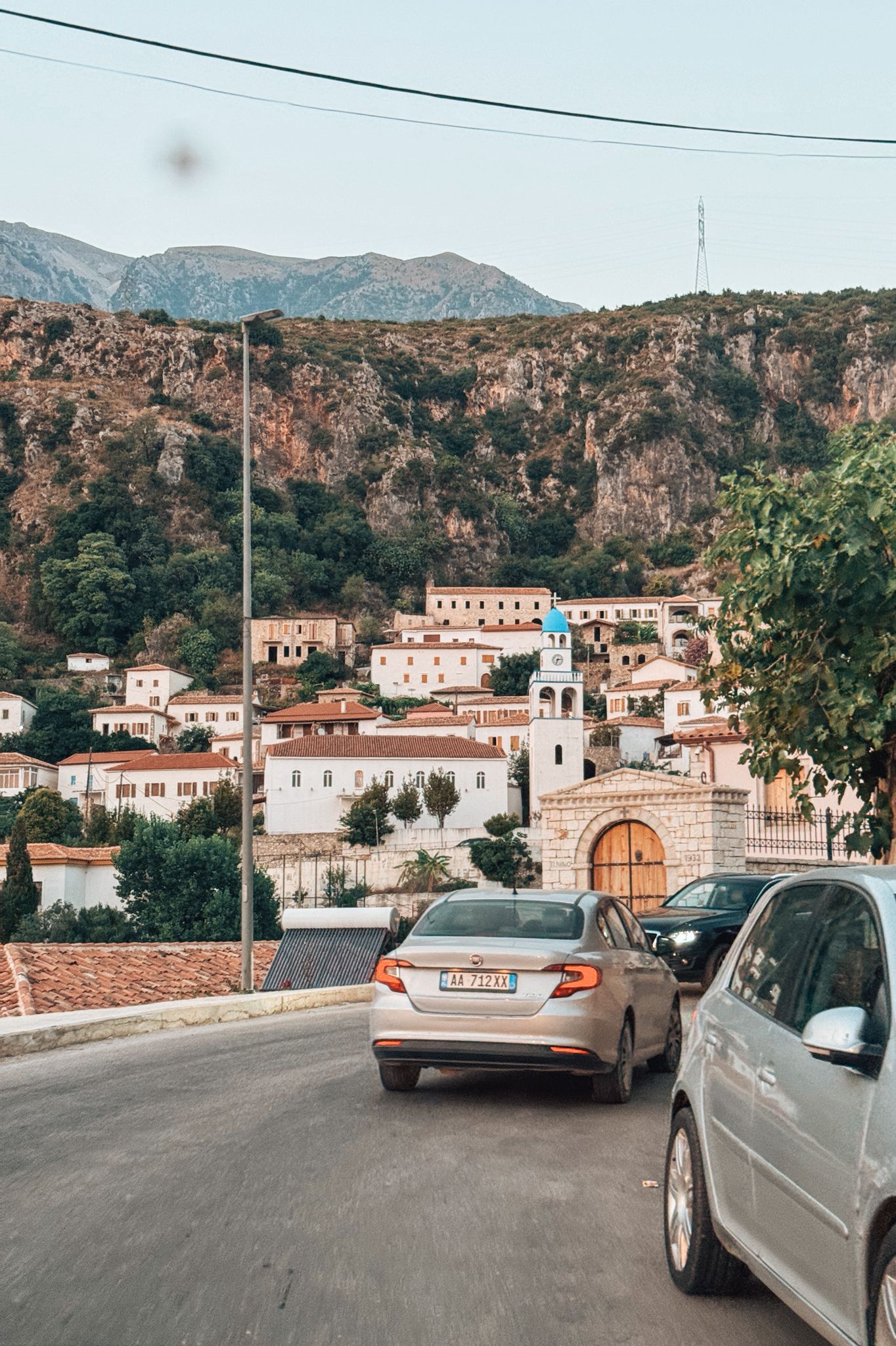
Final Thoughts: Why Albania Will Stay With You
Backpacking through Albania isn’t just about ticking off places; it’s about rediscovering what travel used to feel like.
Raw, spontaneous, and deeply human.
You’ll remember the small moments:
the coffee shared with a stranger in Theth,
the old man waving from his doorstep in Gjirokastër,
the salt drying on your skin after a swim in Ksamil,
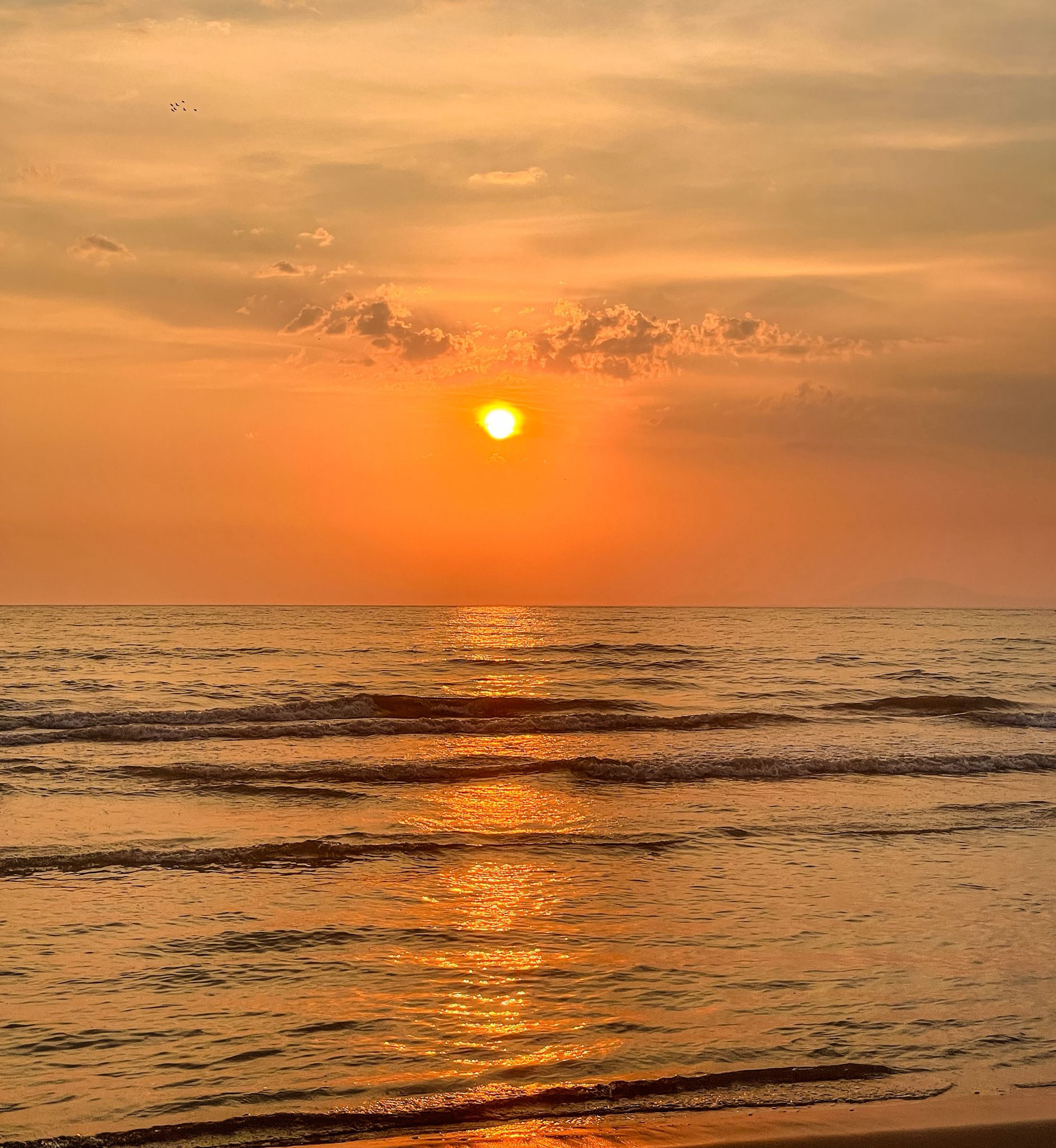
and that endless blue horizon along the Riviera that makes you whisper, “How is this place still so quiet?”
Albania has a way of surprising you, not with grand monuments, but with its warmth, simplicity, and the feeling that you’ve stumbled into Europe’s best-kept secret.
If you’ve been craving a trip that’s affordable, adventurous, and a little off the map, this is your sign to start planning.
Use my itineraries, packing lists, and local guides to plan your own Albania adventure —
and see the country the way I’ve come to love it: slowly, curiously, and with an open heart.
Because once you do, you won’t just remember the views, you’ll remember how it felt to belong somewhere new.
Not sure where to start? Here are some top-rated Albania tours on Viator (affiliate links), perfect if you’d like expert guides, transport included, or just less planning stress.