
The first thing you notice isn’t what you see, it’s what you feel.
The air turns cold as you step inside, the light disappears almost instantly, and the sound of the outside world fades into a heavy, echoing silence. You duck through the narrow concrete entrance, and for a second, it’s hard not to think: people were meant to live, and possibly die, in here.
Then you step back outside, and it’s Albania again, bright, wild, and impossibly beautiful. Turquoise water, rugged mountains, olive trees in the sun… and right in the middle of it all, a small grey bunker staring back at you like a relic from another world.
That contrast is what makes visiting a bunker in Albania so unforgettable.
If you’re planning a trip to Albania and want to experience places like this without figuring it all out yourself, you can explore guided bunker tours and experiences here.
I didn’t expect much the first time I walked into one, just a quick photo stop, maybe. But after exploring everything from tiny roadside domes to the massive underground tunnels of Bunk’Art in Tirana, I realized these aren’t just random concrete structures. They completely change how you experience the country.
In this guide, I’ll show you:
- What it’s actually like inside an Albanian bunker (beyond the photos)
- The best bunkers to visit, including hidden coastal and mountain spots
- Everything you need to know about Bunk’Art 1 and Bunk’Art 2, including cost, how long to visit, and whether they’re worth it
Because visiting a bunker in Albania isn’t just about seeing something unusual, it’s about stepping into a very real, very strange piece of history.
If you’re still figuring out whether Albania is the right destination for your trip, I’ll break it down honestly here: Is Albania worth visiting? My honest guide
What It’s Actually Like Visiting a Bunker in Albania
Most bunkers in Albania don’t look like much from the outside.
They’re small, dome-shaped, and easy to miss, sometimes half-buried in sand, tucked into hillsides, or sitting awkwardly in the middle of a field. If you didn’t know what they were, you might not even give them a second glance.
But stepping inside is a completely different experience.
The entrance is usually low, forcing you to crouch as you go in. Inside, it’s immediately darker than you expect. The thick concrete walls block out almost all sound, and the air feels damp and slightly stale, like it hasn’t fully moved in decades. Even in the middle of summer, it’s noticeably colder.
The first bunker I stepped into was near the coast, and what surprised me most wasn’t the size; it was the silence. Just a few meters away, there were waves crashing and people talking on the beach, but inside, it felt completely cut off. Almost sealed.
And then there’s the contrast depending on the type of bunker.
The smaller ones, the ones you’ll see everywhere, are cramped and minimal. Just enough space for one or two people, a narrow firing slit, and not much else. You can’t stay in them long before feeling a bit uneasy.
But places like Bunk’Art 1 in Tirana are on a completely different scale.
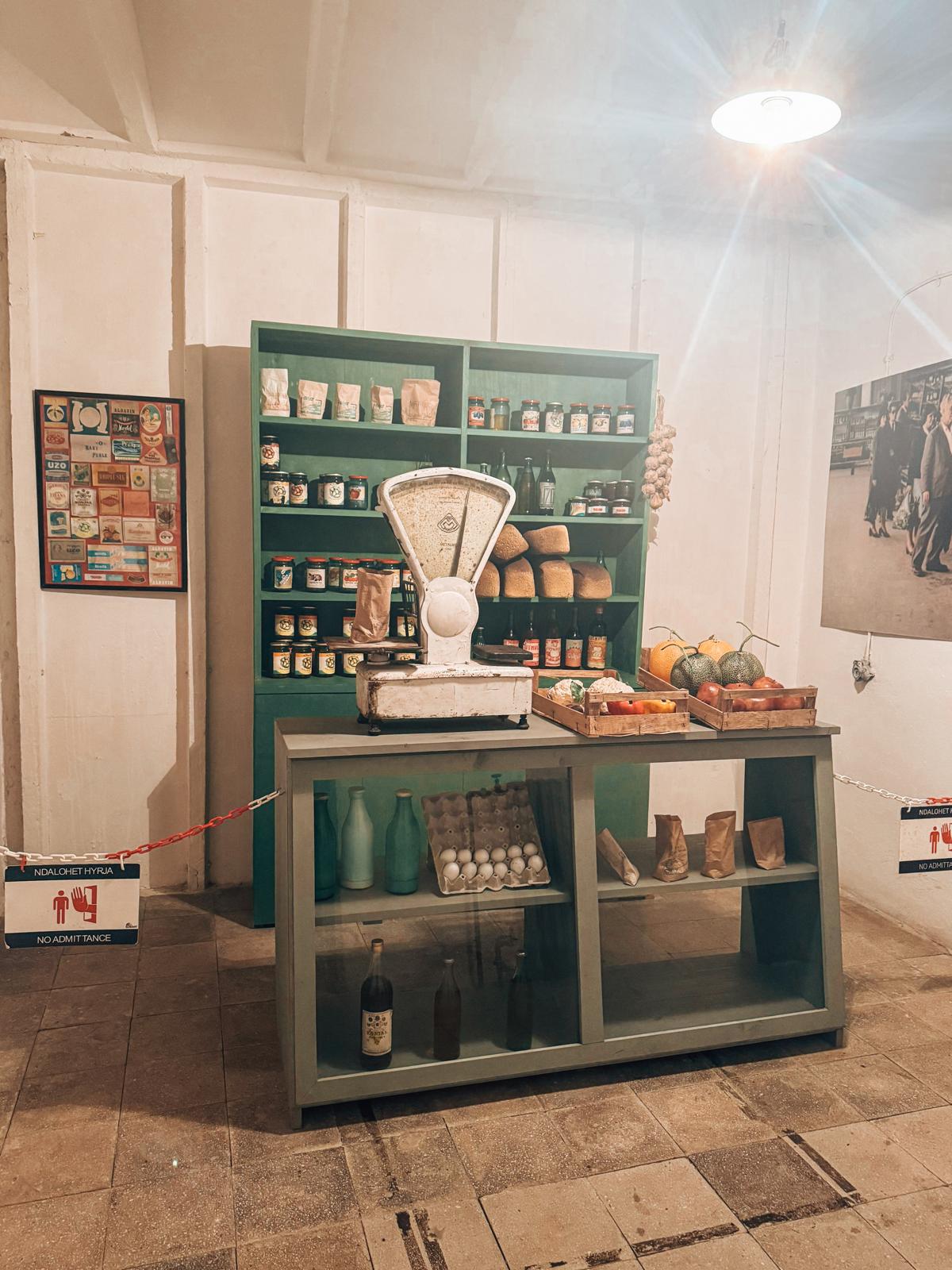
Instead of a single concrete dome, you’re walking through long underground corridors, rooms, tunnels, and command centers built to house an entire government during a nuclear attack. It feels less like a bunker and more like an underground city, one that was never actually used.
That mix of curiosity, discomfort, and disbelief is what makes visiting bunkers in Albania so different from typical sightseeing. You’re not just looking at history, you’re standing inside it.
If this is your first time planning a trip here, there are a few things about Albania that will completely surprise you, I wish I’d known these before I went: 26 Things to Know Before Visiting Albania
Are There Still Bunkers in Albania? (And Where You’ll See Them)
Yes, and not just a few.
Bunkers are everywhere in Albania.
You’ll see them without even trying. Along beaches, scattered across farmland, tucked into mountain passes, sitting beside city sidewalks, and sometimes in places that make absolutely no sense at all, like right next to a café or in the middle of someone’s backyard.
One of the strangest things about traveling in Albania is how quickly you stop noticing them. At first, every bunker feels unusual; you’ll probably pull over, take photos, maybe even climb inside. But after a few days, they start blending into the landscape, as they’ve always been there.
I remember driving along the coast near Vlorë and spotting one half-buried in the sand, just a few steps from the water. A couple of people were sunbathing nearby, completely ignoring it, like it was just another rock. That moment really summed it up: in Albania, bunkers aren’t attractions. They’re just… part of life.
That said, not all bunkers are accessible.
- Many are completely abandoned and open to explore
- Some are partially buried, locked, or unsafe to enter
- And a few, like the famous museum bunkers, have been fully restored for visitors
So while you’ll see bunkers almost everywhere, actually going inside them depends on where you are. The easiest ones to explore are along the coast or in rural areas, while the larger, more structured experiences are in places like Tirana.
And if you’re wondering how to actually get to these places (especially the more remote bunkers), this guide breaks it down step-by-step: How to Get Around in Albania Without the Stress or Confusion
Best Bunkers to Visit in Albania
If you want more than just spotting bunkers from the roadside, there are a few places in Albania where you can actually step inside and understand what they were like.
Each one feels completely different, from huge underground complexes to tiny concrete domes by the sea.
Bunk’Art 1 (Tirana) – The Most Impressive Underground Bunker
If you only visit one bunker in Albania, this should be it.
Want a hassle-free way to visit Bunk’Art 1 or explore Tirana’s Cold War history with a guide? There are structured tours that include transport and skip-the-stress planning.
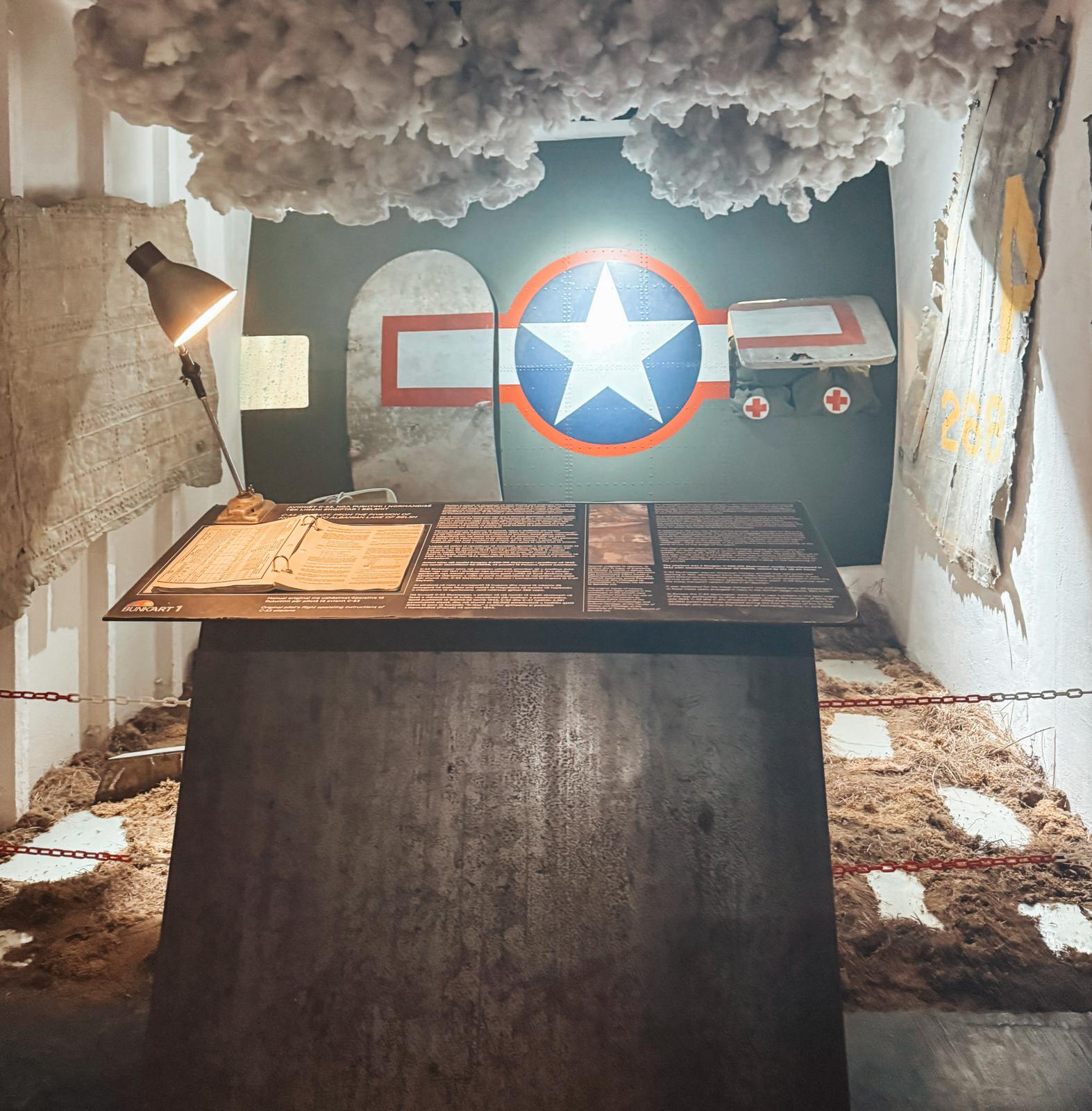
Bunk’Art 1 is a massive underground complex built into the side of a mountain on the outskirts of Tirana. It was originally designed to protect Albania’s political elite during a nuclear attack, and walking through it today feels like stepping into a hidden underground city.
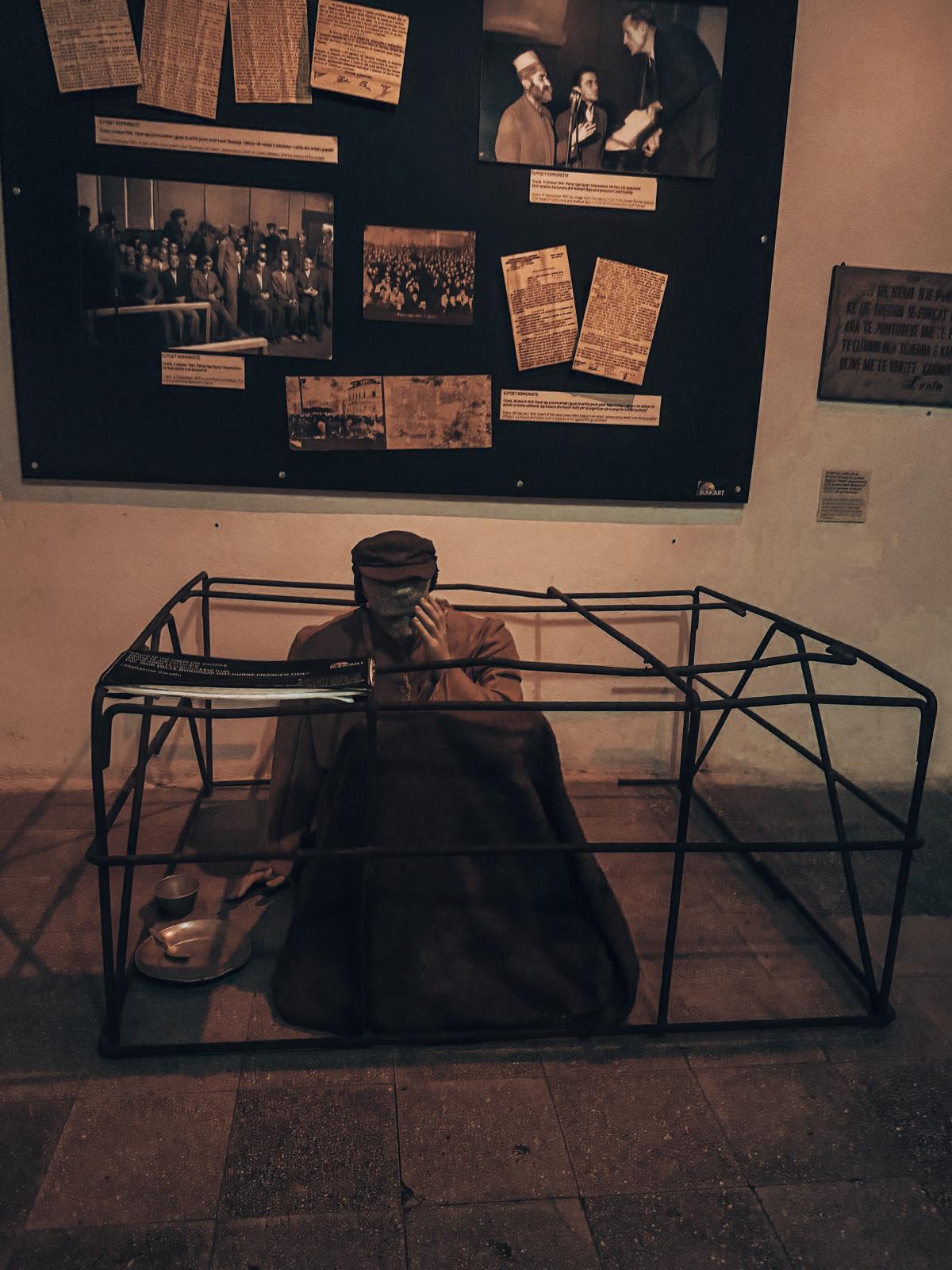
Inside, you’ll find long corridors, dark rooms, and exhibition spaces that explain life during the communist era. But what really stands out is the scale. It just keeps going, far bigger than most people expect.
This is the best option if you:
- want a structured, informative experience
- are interested in history beyond just photos
- don’t want to guess which bunkers are safe to enter
Bunk’Art 2 – Is It Worth Visiting?
Bunk’Art 2 is located right in the center of Tirana, which makes it much easier to visit, especially if you’re short on time.
It’s smaller than Bunk’Art 1 and focuses more on the history of Albania’s secret police rather than the bunker structure itself. The experience is more compact, and you can get through it fairly quickly.
So, is it worth it?
- Yes, if you’re staying in Tirana and want something easy and central
- Maybe not, if you’re already planning to visit Bunk’Art 1, since it can feel a bit repetitive
If you have time, they complement each other, but if you’re choosing just one, Bunk’Art 1 is the more memorable experience.
If you want to visit Bunk’Art 2 with a tour guide, here is the best one: Tirana’s Communist Past.
If you’re visiting Tirana, you can easily combine Bunk’Art with a full day exploring the city. Here’s exactly how to plan it: Tirana Travel Guide: Things to Do in Tirana
Coastal Bunkers (Durrës, Vlorë, Karaburun)
These are probably the most iconic bunkers you’ll see in Albania.
Along the coast, especially near Durrës and Vlorë, you’ll find small dome-shaped bunkers scattered right on the beach or overlooking the sea. Some are half-covered in sand, others are covered in graffiti, and a few have even been repurposed into cafés or art pieces.
They’re:
- easy to access (often just a short walk)
- completely free to visit
- perfect for photography
Karaburun Peninsula, in particular, has some of the most scenic bunker locations, with turquoise water and rugged cliffs creating a surreal contrast with the concrete structures.
These coastal bunkers are just one part of what makes the Albanian Riviera so unique, I mapped out the best places to visit here: One Week in the Albanian Riviera: Beaches & Hidden Gems
Lake Ohrid & Remote Mountain Bunkers
If you want something that feels less “visited” and more raw, head away from the cities.
Around Lake Ohrid and in the mountains, you’ll find bunkers that feel almost untouched. Some still have original features inside, while others are slowly being reclaimed by nature.
These are the kinds of places where you might:
- stumble across a bunker while hiking
- find one overlooking a valley with no one else around
- or explore one that feels completely forgotten
They’re not always easy to reach, but that’s part of the experience.
One of the most memorable bunkers I visited wasn’t the biggest or the most famous, it was a small one overlooking the sea, with waves crashing below and no one else around. It wasn’t impressive in scale, but standing there, halfway inside and halfway out, it really hit me how strange these structures are. Built for fear, now sitting quietly in some of the most beautiful places in the country.
That contrast is what makes exploring bunkers in Albania so unique.
Visiting Bunk’Art 1: Cost, Time & What to Expect
If you’re planning to visit just one bunker in Albania, this is the one you should prioritize.
Unlike the small domes scattered across the country, Bunk’Art 1 is a huge underground complex built for Albania’s political elite during the Cold War, and it’s been transformed into one of the most immersive museums in the country.
How much does it cost to go to Bunk’Art 1?
Ticket prices are typically:
- around 500 – 700 LEK (€5 – €7) for adults
- discounted rates for students
Prices can change slightly, but overall, it’s very affordable, especially considering how much there is to see inside.
How long does it take to visit Bunk’Art 1?
Most people spend 1.5 to 2 hours here.
If you’re short on time or prefer having everything organized in advance, guided bunker tours in Tirana make it easy to see the highlights without worrying about tickets or navigation.
If you like reading exhibits or taking your time, it can easily take longer. The layout isn’t linear, and there are dozens of rooms, corridors, and displays to explore, so it’s not a quick in-and-out visit.
What you’ll see inside
Walking into Bunk’Art 1 feels less like entering a bunker and more like entering an underground maze.
Inside, you’ll find:
- long concrete corridors that seem to go on forever
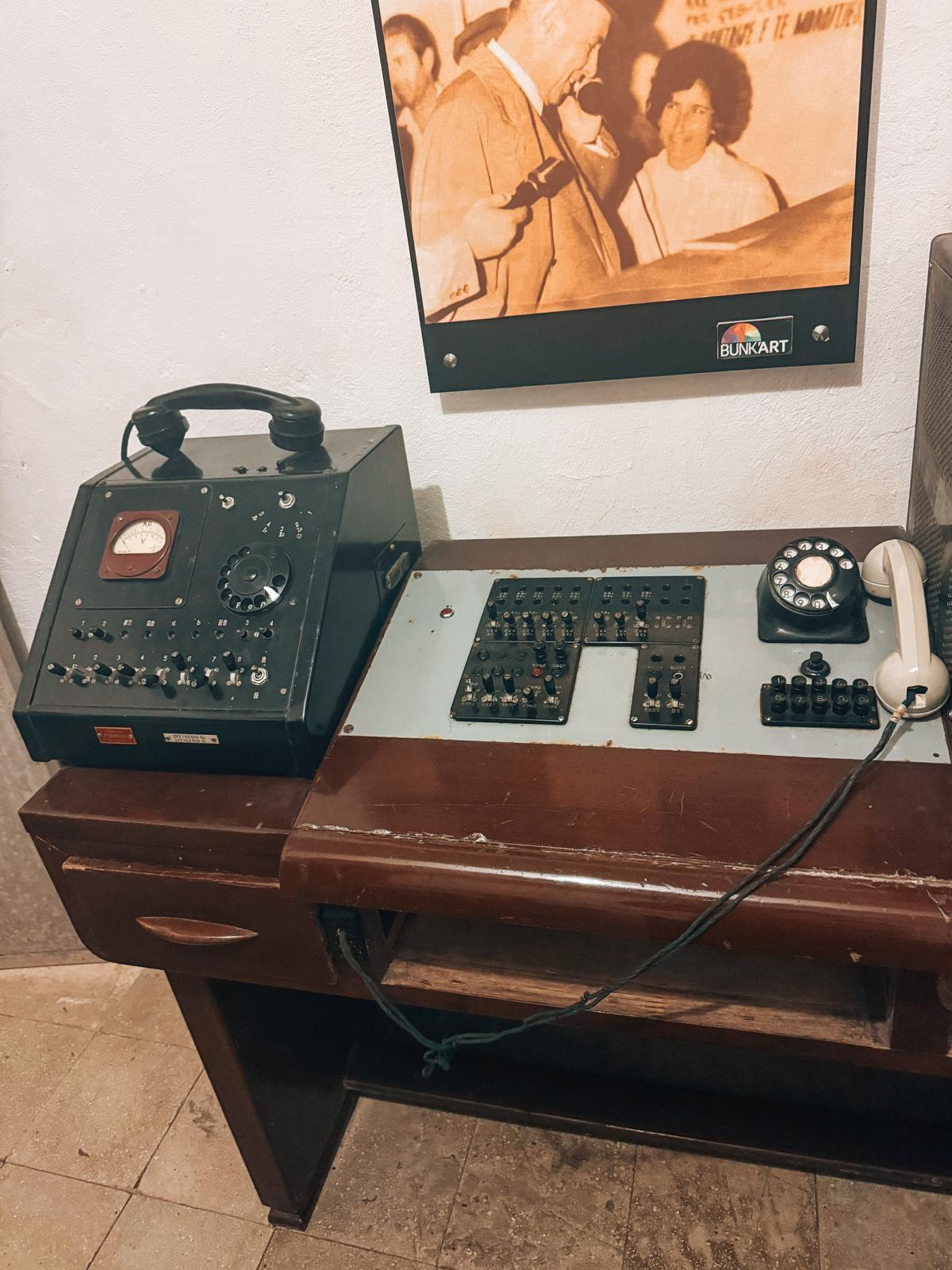
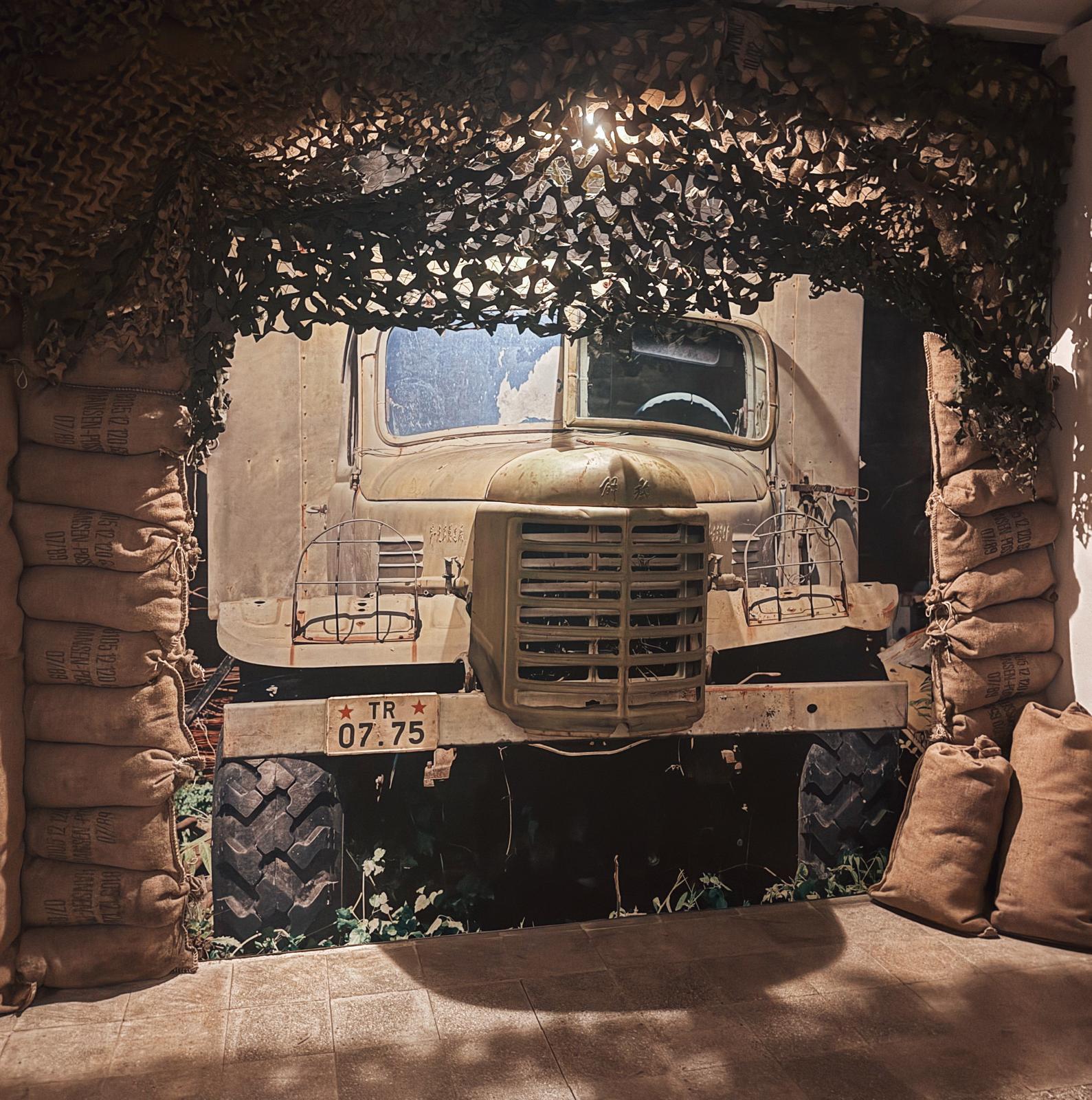
- rooms set up with original furniture and equipment
- exhibitions on Albania’s communist history and daily life
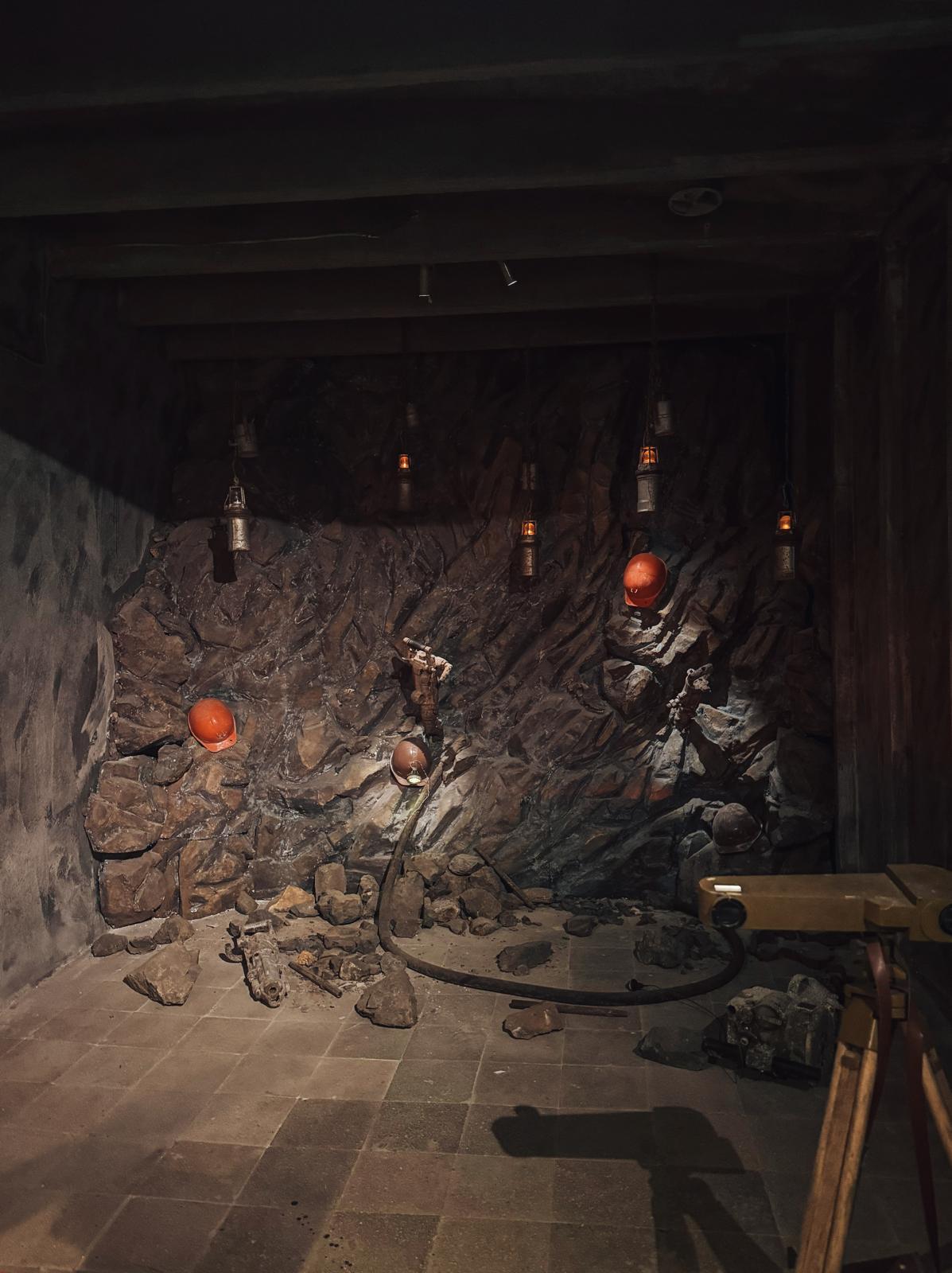
- dark, enclosed spaces that still feel eerily untouched
What caught me off guard the most was the scale. You expect something small and contained, but it just keeps expanding. Every time you think you’ve reached the end, there’s another hallway, another room, another section.
At some points, it genuinely feels like you’ve lost your sense of direction, which makes it easy to imagine what it might have been like if it had ever actually been used.
Tips for visiting Bunk’Art 1
- Wear layers: it’s noticeably colder underground, even in summer
- Give yourself enough time: rushing through it takes away from the experience
- Don’t expect a typical museum: it’s more atmospheric than polished
- Be prepared for a slightly eerie vibe: especially in quieter sections
Is Bunk’Art 2 Worth It?
Bunk’Art 2 is often compared to Bunk’Art 1, and whether it’s worth visiting really depends on your itinerary.
The biggest advantage is its location. It’s right in the center of Tirana, making it much easier to fit into a busy day of sightseeing.
But the experience is quite different.
Who should visit Bunk’Art 2?
Bunk’Art 2 is a good choice if you:
- are short on time
- want something easy to access in the city center
- are particularly interested in Albania’s political and secret police history
It’s smaller, more structured, and easier to get through quickly.
Who can skip it
You might want to skip Bunk’Art 2 if:
- you’re already visiting Bunk’Art 1
- you’re more interested in the bunker experience itself rather than exhibitions
- you don’t want overlapping content
Does it feel repetitive?
This is where it gets honest.
If you visit both, there is some overlap in themes, especially around communism and surveillance. Bunk’Art 2 feels more like a traditional museum, while Bunk’Art 1 feels more like an experience.
Personally, Bunk’Art 2 didn’t have the same impact on me. It was interesting, but after seeing Bunk’Art 1, it felt more like a follow-up than a must-see.
That said, if you skip Bunk’Art 1, then Bunk’Art 2 is absolutely worth visiting; it still gives you a strong sense of Albania’s history, just in a more compact way.
Why Albania Has So Many Bunkers
Albania’s bunkers all trace back to one man: Enver Hoxha.
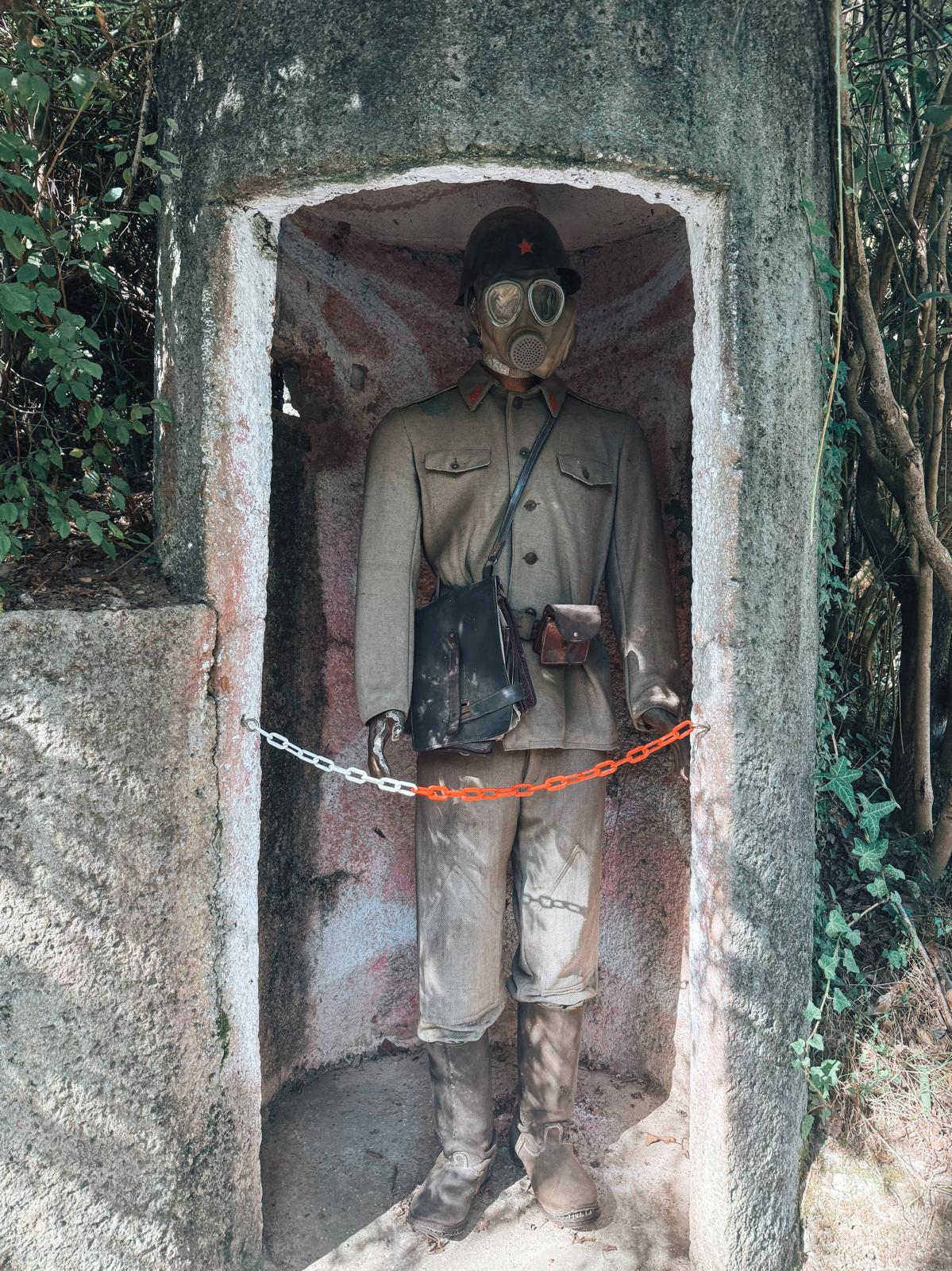
During the Cold War, he ruled the country with an intense fear that Albania could be invaded at any moment by NATO, by neighboring countries, or even by former allies. As a result, Albania became one of the most isolated countries in the world, cut off politically and economically from almost everyone.
His solution was extreme: turn the entire country into a fortress.
Hundreds of thousands of bunkers were built across beaches, mountains, cities, and farmland, the idea being that every citizen could defend the country if needed. Of course, that invasion never came, and the bunkers were never used the way they were intended.
But knowing that history changes how they feel today.
At first, they might seem quirky or even photogenic. But once you understand why they were built, stepping inside one feels different, heavier, quieter, and a little unsettling. It’s not just a strange structure anymore. It’s a physical reminder of how an entire country lived under constant fear.
Tips for Visiting Bunkers in Albania
Visiting bunkers in Albania is relatively easy, but it’s not always as straightforward as it looks.
Here are a few things worth knowing before you go.
Safety matters more than you’d think
Most bunkers are structurally solid, but not all of them are safe to enter.
Some are:
- partially collapsed
- hidden by vegetation
- or have uneven, slippery floors
If something feels unstable or completely abandoned, it’s best to just look from the outside.
Not all bunkers are accessible
You’ll see bunkers everywhere, but that doesn’t mean you can go inside all of them.
- Some are sealed or locked
- Others are on private land
- And a few are only accessible with a guide
If you want a guaranteed interior experience, places like Bunk’Art are the easiest option.
Guided vs. exploring on your own
- Guided tours: better for understanding the history and context
- Self – exploring: better for spontaneous stops and photography
A mix of both usually gives you the best experience.
What to bring
- A light jacket (even in summer, it’s cold inside)
- Good shoes (especially for rural or coastal bunkers)
- A phone flashlight (many have no lighting at all)
One thing I wish I had known earlier is how different each bunker experience can be.
I assumed they’d all feel the same after the first few, but they don’t. Some feel quick and forgettable, while others stick with you, especially when the location and atmosphere really hit. It’s worth slowing down and actually stepping inside a few, not just snapping photos from the outside.
Planning logistics in Albania can feel confusing at first, especially with transport and payments. These guides will save you a lot of stress:
How to Get Around in Albania
Do You Need Lek in Albania?
Is Albania Safe to Visit?
Are Bunkers in Albania Worth Visiting?
Yes, but not for everyone.
If you’re interested in history, unusual places, or experiences that feel a little different from typical sightseeing, then visiting a bunker in Albania is absolutely worth it.
It’s one of those things that:
- gives context to the country
- adds depth to your trip
- and makes Albania feel completely unique compared to anywhere else in Europe
But if you’re not a fan of tight spaces or anything slightly claustrophobic, you might not enjoy going inside, especially the smaller bunkers or the deeper sections of larger ones.
For most travelers, though, it’s not just about ticking off a landmark.
It’s about that strange moment of stepping from bright, open landscapes into something dark, enclosed, and full of history, and realizing just how different life once was here.
FAQ About Visiting Bunkers in Albania
Are there still bunkers in Albania?
Yes, tens of thousands still remain across the country. You’ll see them on beaches, in cities, in the mountains, and along roadsides.
What are the best bunkers to visit in Albania?
The most popular are Bunk’Art 1 and Bunk’Art 2 in Tirana, along with coastal bunkers near Durrës and Vlorë. For something more remote, mountain and lakeside bunkers offer a more untouched experience.
Is Bunk’Art 2 worth it?
Yes, especially if you’re short on time or staying in Tirana. But if you’re choosing just one, Bunk’Art 1 is generally the more impressive visit.
How long does it take to visit Bunk’Art 1?
Most visits take around 1.5 to 2 hours, depending on how much time you spend exploring the exhibits.
How much does it cost to visit Bunk’Art 1?
Tickets are usually around 500 – 700 LEK (€5 – €7), making it one of the more affordable attractions in Tirana.
Which is better if you hate confined spaces?
If you’re claustrophobic or uncomfortable in tight, enclosed spaces, Bunk’Art 2 is usually the better choice because it’s more open, well-lit, and feels more like a traditional museum than an underground maze.
Can you visit bunkers without a car?
Yes, you can visit many of the most famous bunkers in Albania without a car. Bunk’Art 1 and Bunk’Art 2 in Tirana are both easily accessible by taxi, local bus, or even on foot. Some coastal bunkers near Durrës or Vlorë can be reached via public transport, though walking may be required to reach specific sites.
Are bunkers safe after rain?
Most bunkers are built from extremely thick reinforced concrete, so structurally they are generally safe even after heavy rain.
If visiting bunkers is now on your list, the next step is figuring out how to fit them into your trip without wasting time or missing the best spots.
I’ve mapped out the exact routes, timelines, and must-see places here: The Ultimate Albania Itinerary: 3, 5, 7 & 10 Days